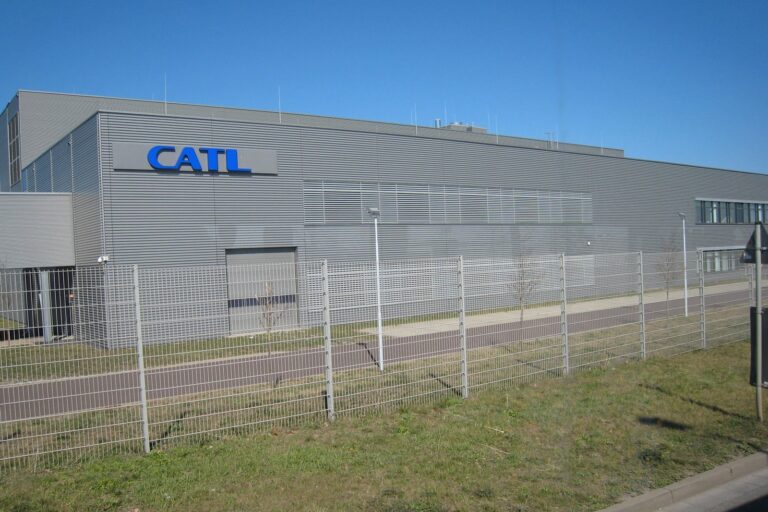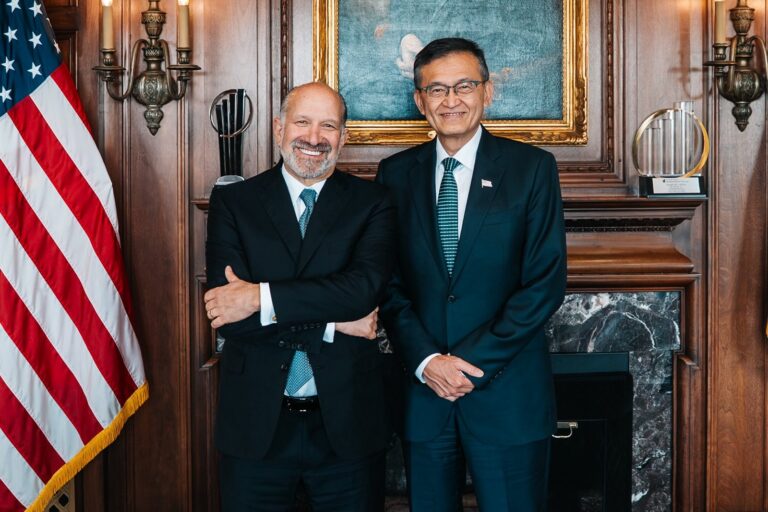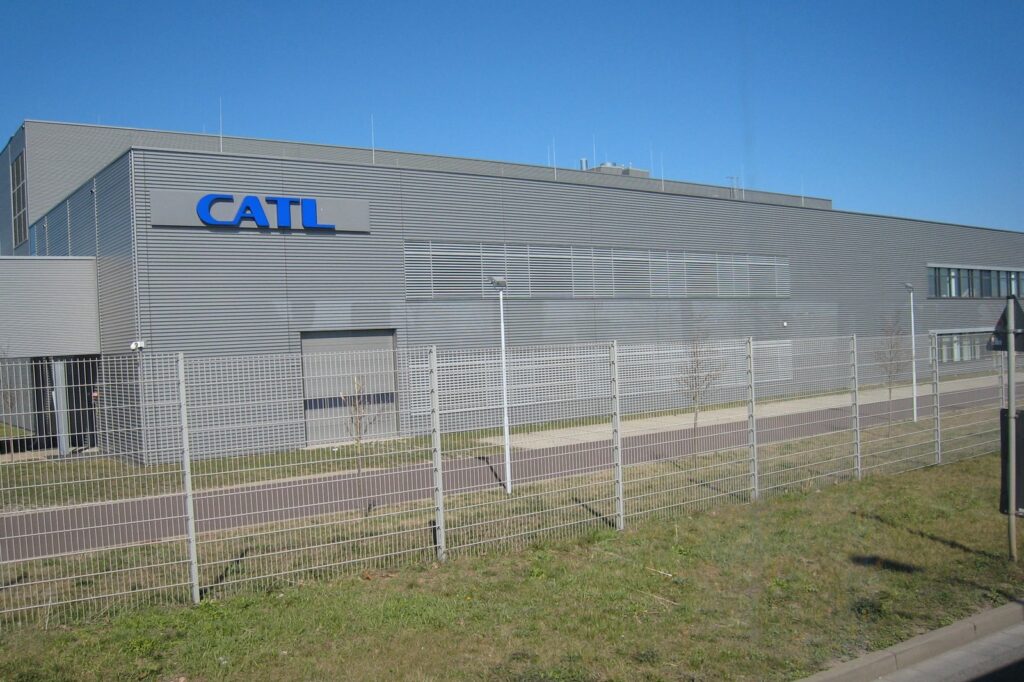
NINGDE, November 23, 2026 — Ford will begin producing EV battery cells in the United States using CATL technology, with battery pack manufacturing slated for 2027, marking a major licensing deal between the Chinese battery giant and a legacy automaker. The move underscores a strategic pivot by CATL to maintain its 37% global market share amid rising geopolitical tensions and trade restrictions.
Licensing and Partnership as a Growth Strategy
Founded in 2011 as a spin-off of Amperex Technology Limited, CATL has grown to become the world’s largest EV battery manufacturer. Its flagship manufacturing hub remains in Ningde, Fujian province, China. The company supplies a wide range of automakers, including Tesla, Nio, Xpeng, Li Auto, and many global brands, and has led global EV battery installations for years. To sustain this dominance, CATL is increasingly turning to a model of licensing its technology and forming joint-venture partnerships with legacy automakers outside China.
This approach allows CATL to embed its technology in overseas plants while keeping its core, high-volume cell-manufacturing operations in China. By licensing its advanced chemistries and battery management systems (BMS) expertise, the company reduces its exposure to export controls and tariffs that could disrupt its direct supply chains. According to officials, this strategy insulates CATL from the volatile geopolitical landscape while still expanding its global footprint.
Key Partnerships in the West and Asia
The Ford agreement is a prime example of this strategy. The American automaker will use CATL’s technology to produce cells in the U.S., a significant step for a legacy automaker to build its own domestic battery capacity. The deal demonstrates that CATL’s technology is considered valuable enough for established players to adopt rather than compete against directly.
In Istanbul, CATL opened a NING Service centre with a €15 million investment, signaling a deeper commitment to the Turkish market. At the opening, CATL’s co-president of sales and marketing, Bruce Li, said the company is open to “licensing for cell production” and “local partnership” when market conditions are right. He specifically cited Togg, Turkey’s domestic electric vehicle manufacturer, as a potential collaborator, noting that “our technology and Togg’s needs are aligned.”
Market Dominance and Technological Edge
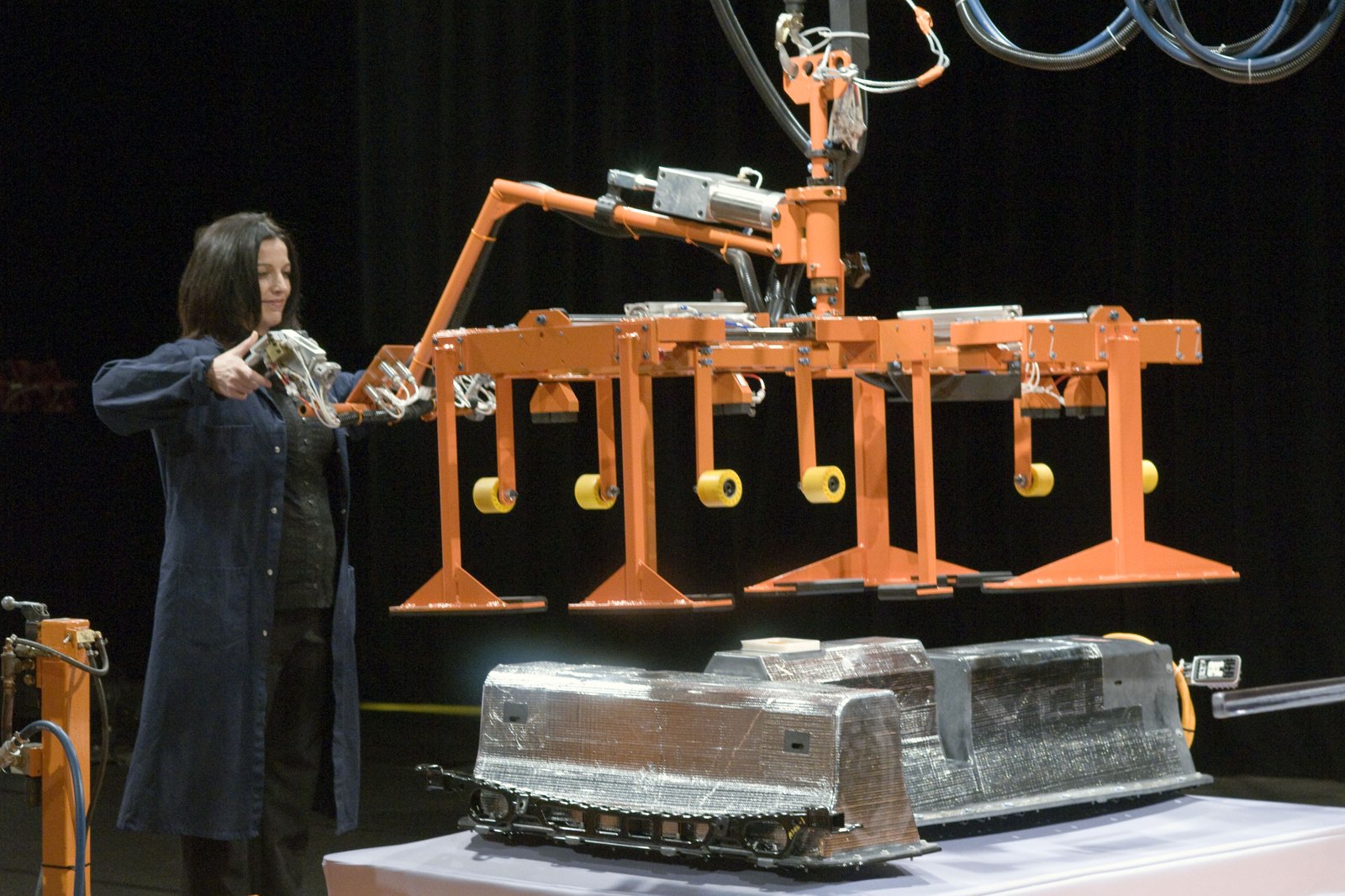
CATL’s market leadership is underpinned by both scale and technology. The company’s assembly lines can produce 40 cells per minute, making them among the fastest prismatic LFP (lithium iron phosphate) battery lines outside China. This manufacturing efficiency, combined with continuous R&D, has allowed CATL to lead the industry for years.
The company is also expanding its technology portfolio beyond standard lithium-ion chemistries. CATL is developing fast-charging LFP (Shenxing), Qilin, and sodium-ion batteries. China’s national push for solid-state batteries by 2030 highlights the strategic importance of advanced battery tech. However, CATL has cautioned that mass production remains costly. The company’s chairman, Robin Zeng, has rated solid-state technology at level four out of nine on a readiness scale, suggesting that widespread adoption in affordable vehicles is unlikely before the end of the decade.
The Next Phase of Global Expansion
By licensing its technology, CATL effectively exports its manufacturing expertise without exporting its physical production assets. This model allows it to grow its influence in key markets like Europe and North America while mitigating political risks. The ministry said China’s push for next-generation batteries is a national priority, and CATL’s strategy of partnerships aligns with this goal by ensuring its technology remains central to the global EV supply chain.
Analysts note that CATL’s ability to adapt its business model is a key factor in its sustained success. The company is not just a supplier; it is becoming a technology licensor and a partner in building localized ecosystems, such as battery swap networks. This positions CATL to maintain its market leadership even as the geopolitical and competitive landscape evolves. The next scheduled milestone in this strategy is Ford’s battery pack production in the U.S. in 2027.
Sources
- CATL
- CATL – Latest news and updates
- China Wants Mass-Produced Solid-State Batteries By 2030. CATL Knows That's Hard
- BAIC sells 112 battery swap stations, shifts focus to CATL – electrive.com
- Battery giant CATL signals further investment in Türkiye – Latest News
- China's 10-ton electric passenger plane completes first manned flight
Photo: Giorno2 (CC BY-SA 4.0)