TOKYO, November 24, 2026 — Keio Corporation disclosed that a September ransomware attack on its group network may have exposed the personal data of up to 10.63 million individuals across 47 subsidiaries. The company filed its final investigation report with Japan’s Personal Information Protection Commission on Tuesday.
The Attack Chain: Group-Wide Server Compromise
Keio detected the intrusion in the early hours of September 26, according to the filing. Attackers exploited a vulnerability in a group-wide server, gaining a foothold that spanned the conglomerate’s railway, bus, hotel, department store, and real estate operations. The company immediately shut down its network to contain the spread. On October 16, Keio confirmed that a group claiming responsibility had published the stolen data. The specific ransomware variant and the precise initial access vector — whether phishing, an unpatched software flaw, or a third-party vendor compromise — have not been disclosed in the company’s public filings or the commission report.
Data Exfiltration Scope: Passports, Credit Cards, and My Number
The breach stands out for the concentration of high-value identity documents. Figures show approximately 1.6 million passport copies, primarily belonging to foreign guests at four hotel properties including Keio Plaza Hotel, may have been exfiltrated. Roughly 20,000 credit card numbers, including cards issued by Keio Department Store, were also exposed, alongside six full copies of My Number Cards from subsidiaries such as Keio Realty & Development Co. The My Number system ties directly to tax, healthcare, and financial records, significantly amplifying identity theft risks for the affected individuals.
Confirmed leaks are narrower but concrete: 150 tenant records, 160 job applicants’ full application documents, and personnel files for 12,000 current and former employees and their dependents. The 10.63 million figure represents the outer boundary of potential exposure across customers and business partners; the company stated the total exceeds simple arithmetic sums because individuals appear across multiple subsidiaries — commuters who are also hotel guests or department store shoppers.
Why Keio’s Sprawling Empire Is a Prime Target
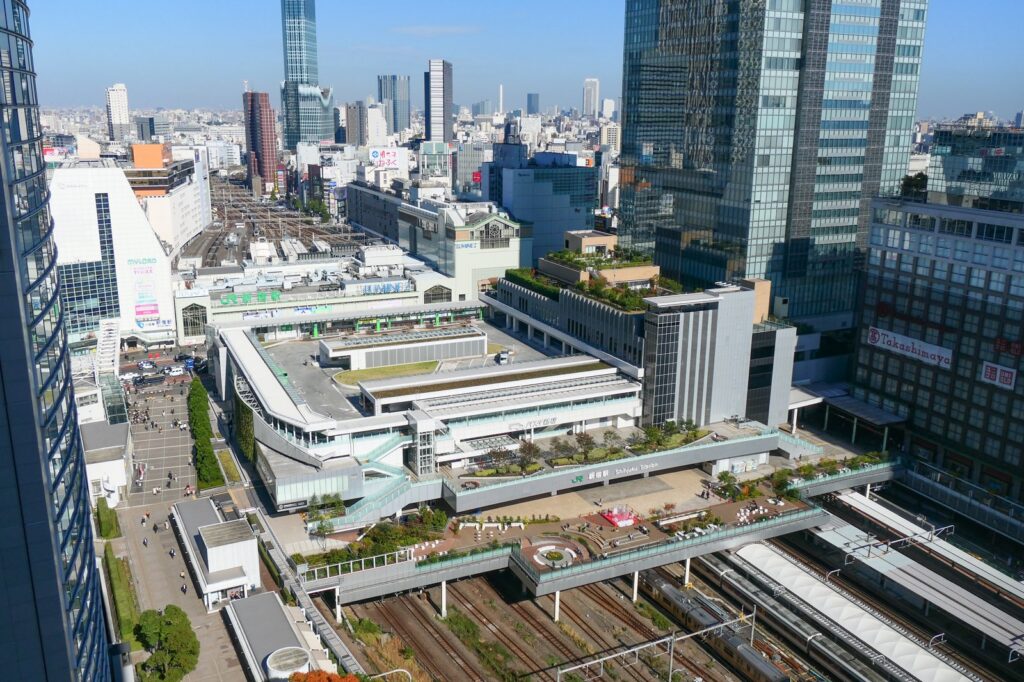
Keio operates 37.9 kilometers of core railway lines and 32 stations connecting western Tokyo suburbs to Shinjuku, a critical transit artery founded in 1905. Its 47-company group structure creates a broad attack surface: Keio Department Store processes payment data, Keio Realty handles national identification documents, and hotel subsidiaries store millions of passport copies for inbound tourism. This convergence of transit operations, retail point-of-sale systems, hospitality databases, and real estate records on a shared network infrastructure makes the group a high-value target for opportunistic ransomware actors.
Regulatory and Reputational Fallout
Keio reported the incident to the Personal Information Protection Commission on October 21, within the 72-hour window mandated by Japan’s 2022 cybersecurity laws, and submitted the final report on November 24. The commission has not disclosed penalties. Past precedents offer a gauge: the 2023 Japan Airlines data leak triggered public apologies and a measurable stock drop. Keio’s shares (TSE: 9008) traded between ¥742.2 and ¥772.4 in late November, with analysts citing cybersecurity risk as a downside factor. The company has postponed its interim earnings release and projects a ¥1.8 billion revenue hit at its Keio Presso Inn hotel chain for the October-to-December quarter after suspending new reservations.
Wider Trend: Japanese Infrastructure Under Siege
The Keio breach did not occur in isolation. On the same day, the Japan Aerospace Exploration Agency disclosed that attackers exploited a software vulnerability in its Earth observation data distribution system, compromising 2,000 user accounts and leaving a backdoor. The concurrent incidents suggest a pattern of opportunistic ransomware campaigns targeting Japanese critical infrastructure operators with sprawling, interconnected networks.
Lessons for Interconnected Infrastructure
The attack underscores the systemic risk of flat network architectures in legacy conglomerates. When a single server vulnerability exposes railway operations, hotel passport databases, department store credit card ledgers, and real estate My Number archives simultaneously, segmentation failures become a matter of national infrastructure resilience. Keio has set up an inquiry desk and pledged to contact affected individuals after verification, but the company stated no secondary harm — such as financial fraud or identity theft — has been confirmed to date.
Sources
- Keio Corporation Says Ransomware Attack May Have Leaked Data of Up to 10.63 Million People – TRAICY Global
- Keio Corporation
- Keio Corporation (9008/JPY) Stock Price Prediction for 2026, 2030-2040
- Japan's Keio Corporation Says Data of 10.63 Million People May Have Leaked, Including 1.6 Million Passport Copies and Credit Card Numbers — BigGo Finance
- Data on 11 mil. people possibly leaked from Keio railway group
- The 11th Keio Healthcare Venture Contest Final Screening
Photo: MaedaAkihiko (CC BY-SA 4.0)