The Architecture of Open-Source Intelligence
WASHINGTON, November 25, 2026 — An unclassified Central Intelligence Agency system that processes publicly available data was breached in a cyberattack, though no classified information was lost. The incident, first reported by The New York Times on Tuesday and confirmed to The Associated Press by a person familiar with the matter, highlights the technical reality of how modern intelligence agencies build their most critical datasets from the open web.
The specific system compromised is not a monolithic “CIA database” in the traditional sense, but a specialized infrastructure for Open-Source Intelligence, or OSINT. As defined by the source, this system handles the collection and analysis of data from the internet, commercial satellites, and private data brokers. While the exact specifications of the server hardware or software stack were not disclosed, the technical reality is that this infrastructure functions as a massive ingestion and correlation engine. It does not rely on human spies or signals interception to gather its raw material; instead, it scrapes, aggregates, and indexes information that is already public or semi-public.
Under the hood, the value of such a system lies in its processing power rather than the exclusivity of its inputs. An individual analyst looking at a commercial satellite image or a leaked corporate dataset sees discrete data points. The OSINT system sees the pattern. By combining these public fragments with intelligence obtained from classified spying programs, the agency generates insights that neither source could provide alone. The breach did not expose the secrets of the classified programs, but it did expose the machinery that correlates public noise into strategic signal.
How Public Data Becomes Strategic Intelligence
For a technology reader, the distinction between “unclassified” and “public” is crucial. The data in this compromised system is generally public or semi-public, meaning it is available to anyone with the right tools and time. However, the intelligence value comes from the curation and combination. A single tweet or a commercial satellite pass is low-value. A million such data points, cross-referenced with financial records and private broker databases, and then fused with classified signals intelligence, creates a comprehensive picture of global activity.
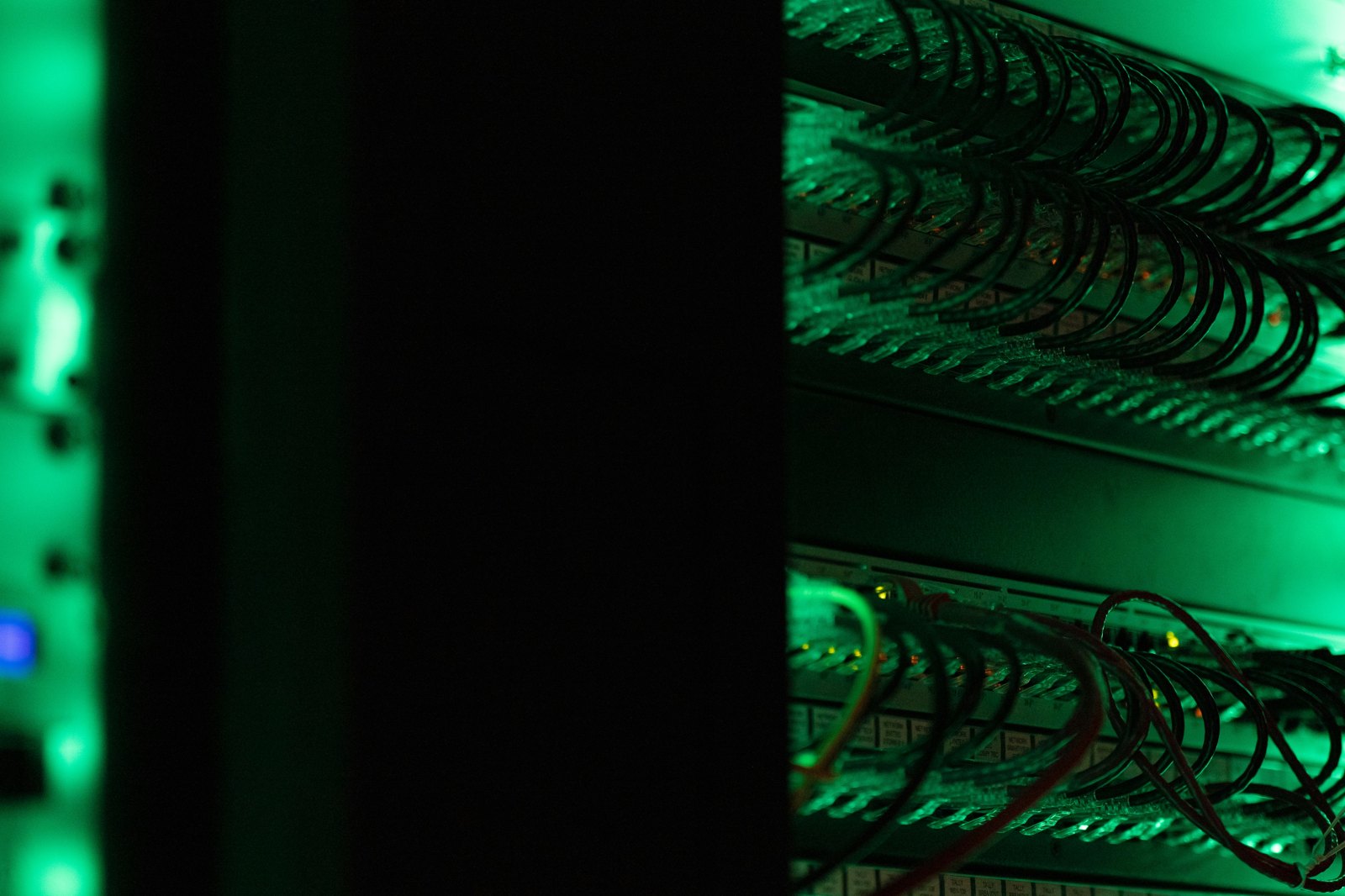
The system’s function is essentially that of a high-performance data lake. It ingests feeds from commercial satellite providers, who sell high-resolution imagery to governments and corporations. It pulls from private data brokers, firms that aggregate consumer and corporate data for market research. It scrapes the open internet for news, social media, and public records. The technical challenge is not acquisition, which is increasingly automated, but correlation. The system must link a person mentioned in a news article in one country to a financial transaction in another, or a ship’s movement in a satellite image to a port authority’s public log. This is where the “insight” resides.
The breach itself, according to the person familiar with the incident, did not involve classified information. The issue has been resolved. However, the fact that the system was compromised means that the attackers potentially gained access to this aggregated, correlated view of the world. While the raw data is public, the specific queries, the historical correlations, and the analytical frameworks used to process this data are proprietary to the agency. Losing access to these internal structures can be as damaging as losing the data itself, as it reveals how the agency prioritizes and connects its public-facing information.
The Scale of the Digital Attack Surface
This incident is not an isolated glitch but part of a broader pattern of cyber incidents targeting US federal agencies. In recent weeks, the FBI, the Department of Homeland Security, and the Department of Agriculture have all experienced breaches or leaks. The FBI is investigating an apparent hack of its national crime database, and the Department of Homeland Security suffered a leak of personnel records. These events have placed a spotlight on the vulnerabilities inside critical infrastructure and the digital tools that millions of people use daily.
Director of National Intelligence Jay Clayton has noted that the volume of these attacks is increasing at a rate that outpaces the ability of legacy systems to defend themselves. Speaking to ABC News about the FBI attack, Clayton stated that cyber incidents reported to the FBI increased from roughly 750,000 in 2020 to over a million. This statistic is not just a number; it represents a step change in the threat landscape. The attackers are no longer just probing for passwords; they are leveraging sophisticated artificial intelligence tools to attack at an unprecedented scale.
The technical reality is that the US digital infrastructure is dated. Clayton described the situation as a “step change in technology” driven by expanding computing power and superintelligence, set against a backdrop of aging systems. The rush to patch and upgrade systems to stay ahead of these AI-empowered hackers has itself led to instability. Clayton noted that recent outages, including a nationwide ground stop that snarled air travel after air traffic controllers struggled to communicate with pilots, largely stem from this rush to update. The irony, as ever, is that the effort to secure the network by upgrading it has temporarily degraded its functionality, creating a window of vulnerability that attackers can exploit.
Implications for National Security Infrastructure
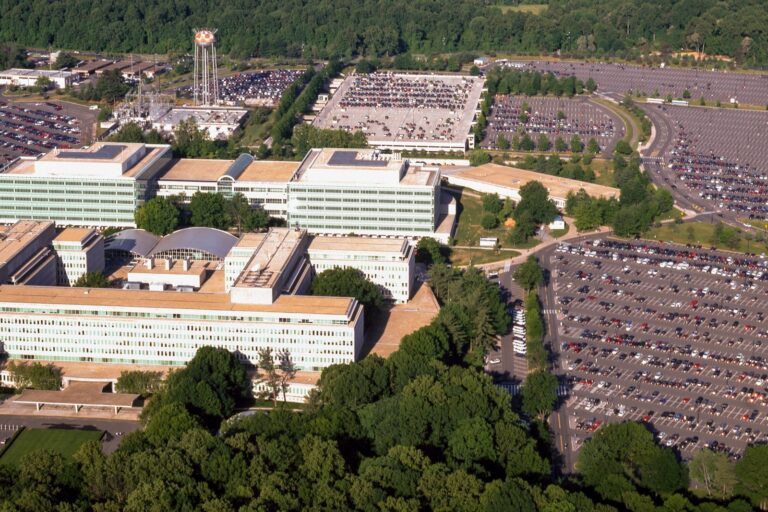
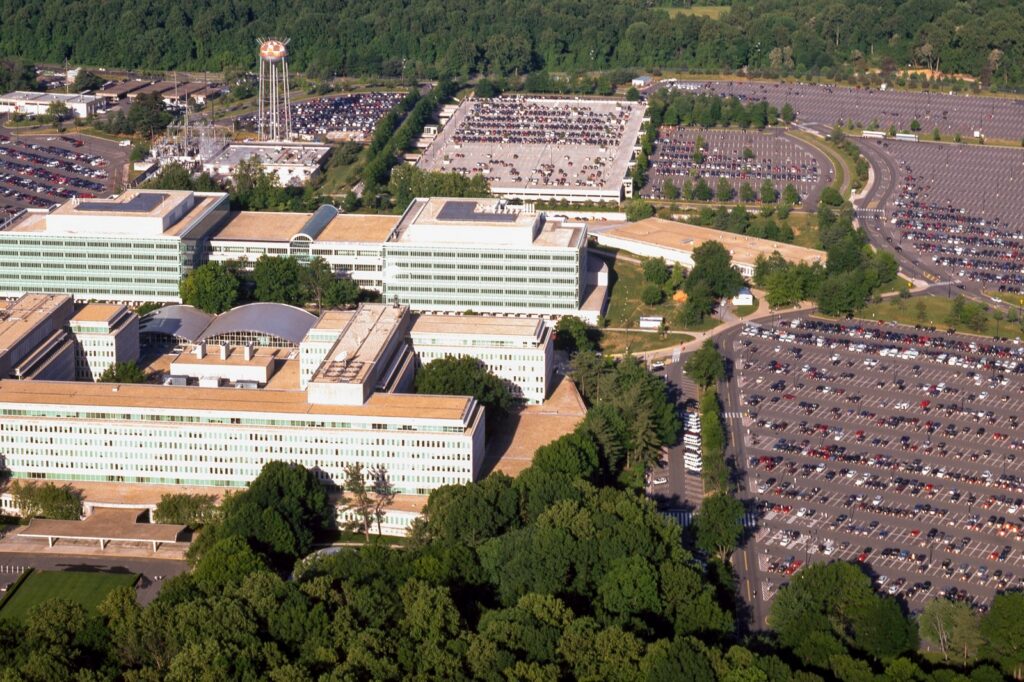
For the informed reader, the compromise of an OSINT system raises questions about the resilience of the intelligence community’s digital backbone. The CIA, headquartered in Langley, Virginia, relies on a complex web of systems to process the vast amount of data it collects. The fact that an unclassified system was breached suggests that the perimeter defenses are not absolute. Even if the classified systems remain secure, the loss of the OSINT infrastructure can degrade the agency’s ability to contextualize its classified intelligence.
The administration has stated that the series of recent outages is not part of a coordinated cyberattack, but a series of independent incidents exacerbated by the pressure of modernizing legacy systems. This distinction is important. A coordinated attack implies a single actor with a specific goal. A series of independent breaches suggests a systemic vulnerability, where the sheer volume of attacks overwhelms the defensive capabilities of institutions that were not designed for the scale of the modern digital threat.
The detail that matters here is the reliance on commercial and private data sources. This means that the intelligence agency’s capabilities are partly dependent on the stability and security of the private sector. If a data broker is compromised, or if a commercial satellite feed is interrupted, the intelligence picture is affected. The breach of the CIA’s unclassified system is a reminder that the line between public data and national security is increasingly blurred, and the infrastructure that bridges the two must be as robust as the classified networks it supports.
The incident has been resolved, and no classified information was compromised. However, the breach serves as a concrete example of the challenges facing US federal agencies as they attempt to modernize their digital infrastructure in the face of an evolving threat landscape. The numbers are clear: over a million cyber incidents reported to the FBI, a step change in attacker capabilities, and a dated digital infrastructure that is struggling to keep pace. The next scheduled step is not a date, but a technical imperative: the continued upgrade of these systems to withstand the expanding computing power of those who seek to breach them.
Sources
- Central Intelligence Agency
- CIA Network Breached Amid Spate of US Cyberattacks: Report
- An Unclassified CIA System Was Breached in a Cyberattack, AP Source Says
- An unclassified CIA system was breached in a cyberattack, AP source says
Photo: Carol M. Highsmith (Public domain)