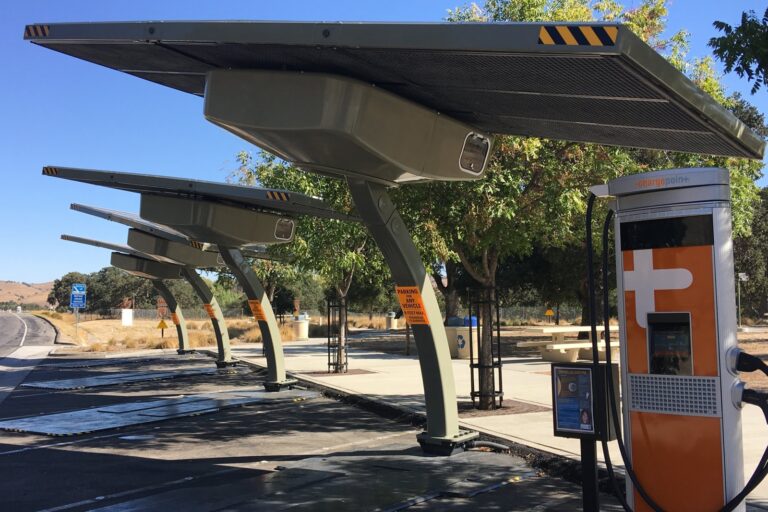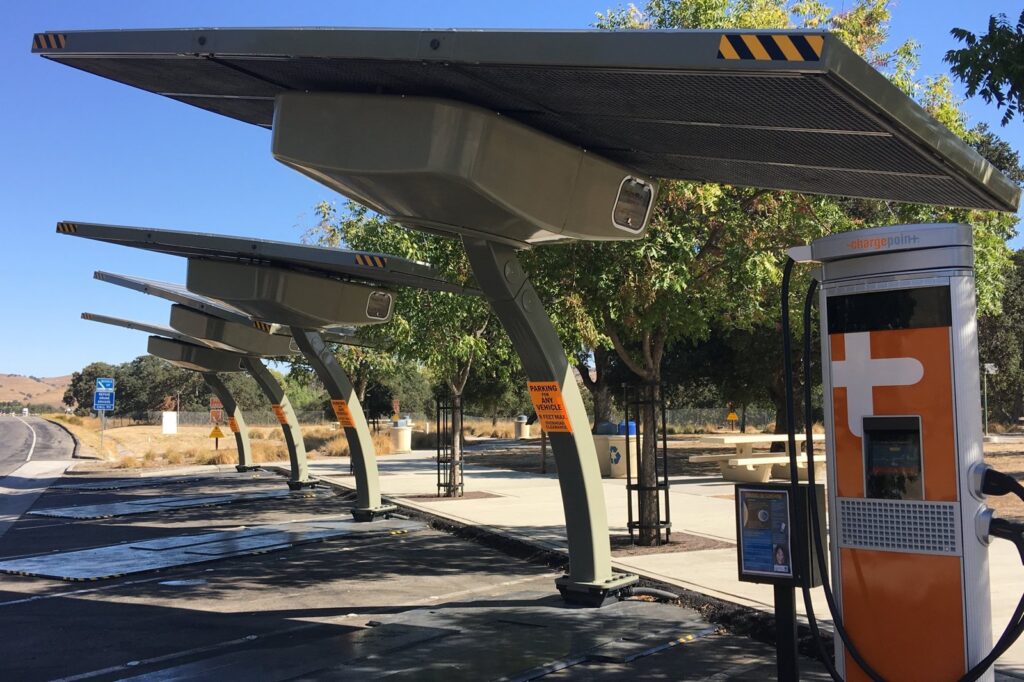
NORTH BERGEN, November 25, 2026 — Green Rain Energy Holdings has signed a distribution agreement with Orbey Power Inc. for a solar-powered, bidirectional EV charging and battery storage system. The deal, announced Monday by Green Rain’s development division, aims to accelerate deployment in areas where grid connections are slow, expensive, or simply unavailable.
The Technical Reality: Solar, Storage, and a Two-Way Street
The system Green Rain will distribute combines three distinct pieces of hardware: photovoltaic generation, stationary battery storage, and a bidirectional charger. Under the hood, the logic is straightforward. Solar charges the battery. The battery charges the vehicle. When the vehicle is parked and plugged in, its battery — or the stationary buffer — can discharge back to the site load or, critically, export to the grid. Green Rain’s release notes the integrated design reduces project timelines by minimizing dependence on traditional grid connections, a claim that holds up in remote contexts where a utility line extension can take 18 months and six figures.
This architecture mirrors what Enphase Energy unveiled at RE+ Las Vegas earlier this month. Enphase’s DC-based IQ Bidirectional EV Charger uses a meter-collar connection to enable vehicle-to-home and vehicle-to-grid operation, with pilots slated for Q4 2026 and volume shipments in Q1 2027. The DC-coupled approach avoids the round-trip losses of AC-coupled systems, a detail that matters when every kilowatt-hour of stored solar is priced against retail or wholesale rates.
Grid Stability: Distributed Buffers, Not Silver Bullets
The grid stability argument rests on aggregation. A single bidirectional charger is a rounding error. Ten thousand, managed by a platform like ChargeScape — the Texas-based aggregator Rivian partnered with in June — begin to look like a virtual power plant. Rivian’s deal enables managed charging for R1S, R1T, and future R2 models, automatically shifting load to off-peak hours. The R2, Rivian says, will gain bidirectional export via an over-the-air update, turning parked vehicles into energy buffers that buy cheap and sell dear.
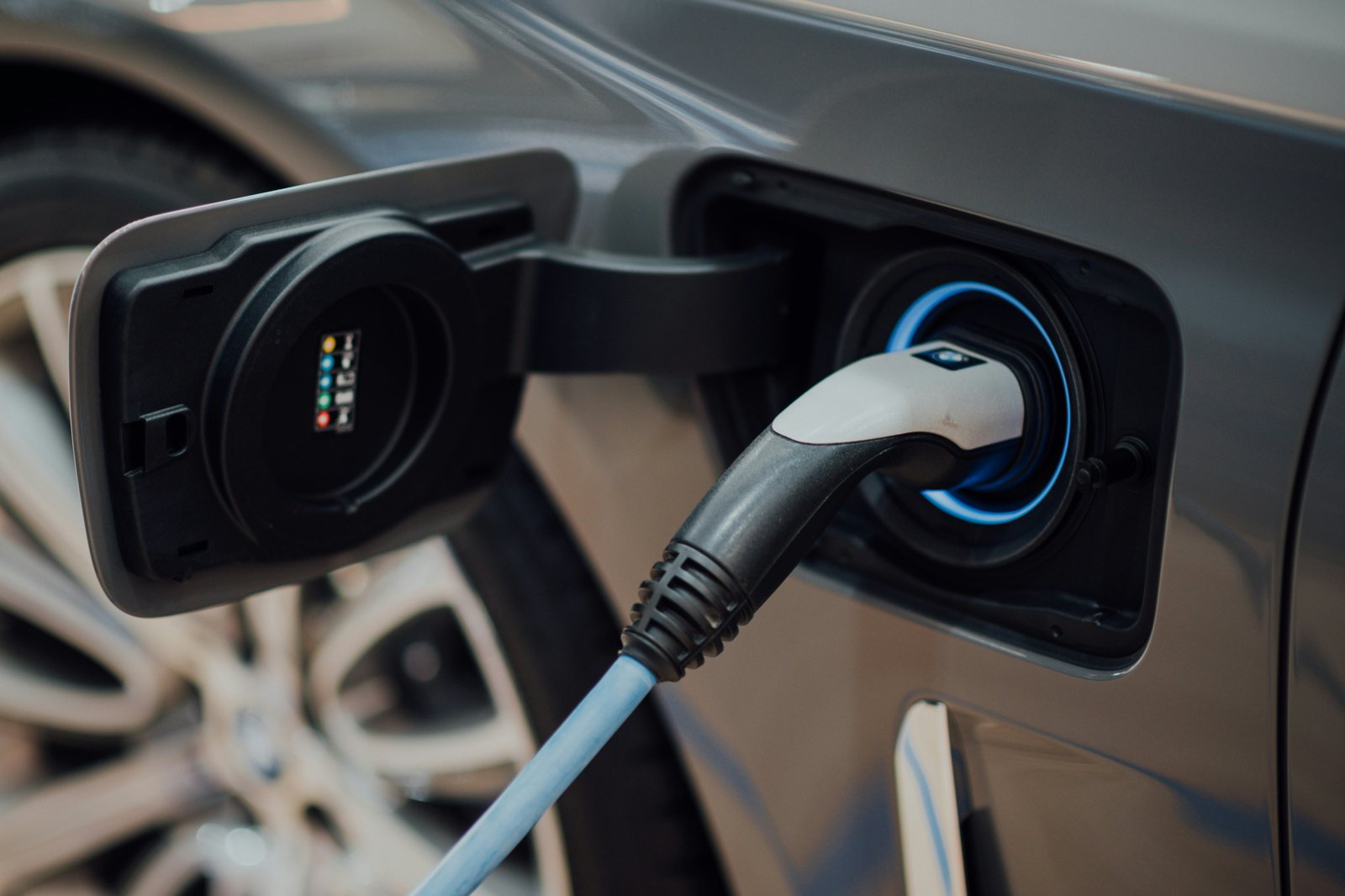
The technical reality, however, is that grid services require utility cooperation. Managed charging only works where utilities offer time-of-use rates or demand-response programs. Bidirectional export requires an interconnection agreement, a compliant meter, and a utility willing to accept the power. As ever, the hardware moves faster than the tariff.
Revenue Streams: The German Template
Volkswagen subsidiary Elli offers a concrete example of how the economics stack up — in Germany. Starting December 2026, the Elli BiDi Charger wallbox (11 kW, ISO 15118-20 compliant, €1,995 installed) bundles hardware, installation, and two tariffs: “V2G Flow” for consumption and “V2G Return” for export. A “plug-in bonus” pays 24 cents per connected hour, up to €60 monthly. Long-term, Elli targets a 40-cent-per-kWh feed-in remuneration, though it guarantees no minimum. The Mobility House provides the aggregation platform. For a driver covering 15,500 km annually, the maximum bonus theoretically offsets the electricity bill.
Green Rain’s release cites similar potential: “additional revenue opportunities beyond EV charging” through grid export “where interconnection is available.” That clause — where interconnection is available — does the heavy lifting.
The Interconnection Barrier
In the United States, interconnection is a patchwork of state-level rules, utility-specific engineering reviews, and queue backlogs. FERC Order 2222 opened wholesale markets to distributed energy resource aggregators, but implementation varies wildly. A solar-plus-storage-plus-bidirectional-EV site faces multiple interconnection studies: one for the solar, one for the battery, one for the charger. Export capability often triggers a “full study” rather than a “fast track,” adding months and engineering fees.
Green Rain’s pitch — deployment flexibility in remote locations — implicitly acknowledges this. By designing for off-grid or grid-optional operation, the system delivers value (charging, resilience) without waiting for permission to export. But the revenue model the company hints at — selling power back — remains hostage to the local utility’s interconnection queue and the state’s net-metering or feed-in tariff regime. The hardware is ready. The paperwork is not.
Sources
- Green Rain Energy's Green Rain Development Division Announces Distribution Agreement with Orbey Power Inc. for Solar-Powered Bidirectional EV Charging and Battery Storage Solutions
- Inductive charging
- Enphase highlights new batteries, bidirectional charging – pv magazine Global
- Rivian Teams With ChargeScape to Cut Home Charging Costs With Automatic Off-Peak Scheduling
- Green Rain Energy's Green Rain Development Division Announces Distribution Agreement with Orbey Power Inc. for Solar-Powered Bidirectional EV Charging and Battery Storage Solutions
- Volkswagen: Elli brings Vehicle-to-Grid into the mass market
Photo: Mavila97 (CC BY-SA 4.0)