Ransomware gangs are targeting critical infrastructure like wind and gas facilities harder than ever, exploiting specific weaknesses in how these networks are built and managed. The attacks are on the rise, with global incidents increasing by 11% in the third quarter of 2026, raising serious concerns over the security of the energy sector.
The Growing Threat to Industry
The ransomware ecosystem is not just growing; it’s multiplying. In Q3 2026, a record 2,830 victims were listed on data leak sites by ransomware groups. This surge was accompanied by a significant expansion in the number of active brands, with 117 different ransomware groups claiming victims, up from 91 in the previous quarter. For the first time, groups outside the top ten accounted for the majority of published victims, showing that the threat is becoming more widespread and less concentrated among the biggest players.
While manufacturing remains the most heavily targeted sector, energy-related industries are consistently in the crosshairs. Oil and Natural Gas facilities reported 47 incidents, while renewable energy organizations and mining firms saw 10 and 19 incidents respectively, indicating a persistent interest from attackers in these critical environments.
How the Attacks Work
So, how are these gangs getting in? The methods are often surprisingly straightforward, relying on basic security oversights rather than impossibly complex hacking. Attackers are primarily exploiting three key vulnerabilities: internet-facing edge devices, weak password practices, and flawed backup systems.
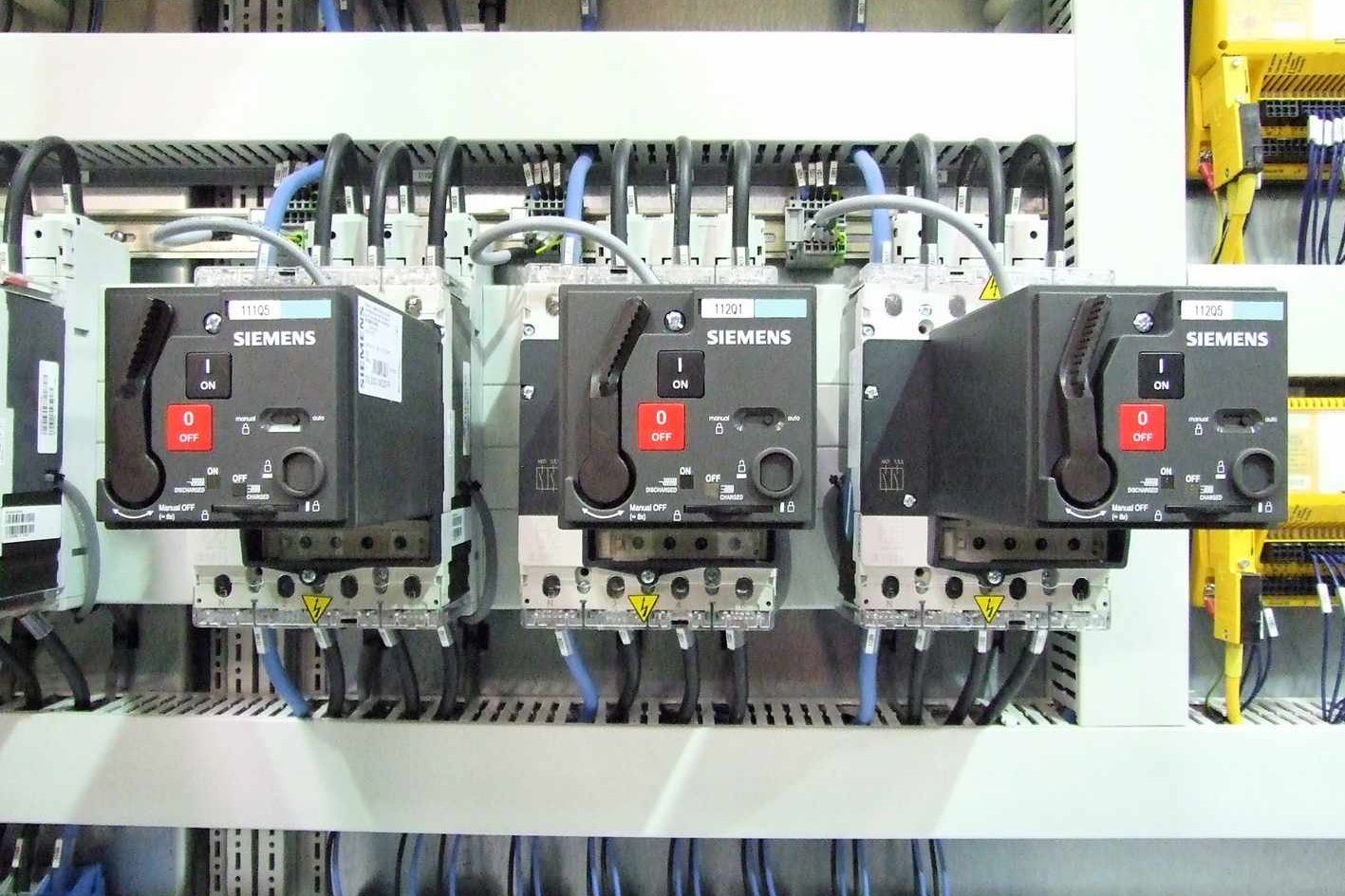
Think of it like this: many industrial facilities have control panels and other devices connected directly to the internet. These “edge devices” are a dominant entry point for hackers. According to Dragos, a cybersecurity firm, the time between a vulnerability in one of these devices being discovered and it being exploited by criminals continues to narrow, giving companies very little time to react.
Once inside, attackers often rely on compromised credentials. A recent attack on a Chinese vehicle parts manufacturer is a perfect example of this in action. The hackers accessed a file share containing a plaintext password for a backup service account. The critical mistake? That same password was also used for a domain administrator account. This oversight gave the attackers full control. Before encrypting the production systems, they deleted all restore points on the backup server, rendering the company’s backups useless and crippling its ability to operate.
The High Cost of Weak Defenses
The consequences of these attacks are concrete and disruptive. For the Chinese manufacturer, the failure meant it was unable to schedule production, ship parts, or track inventory. The attack on Japan’s Osaki Electric, which makes smart meters, highlights a different kind of risk: supply chain disruption. While the attack didn’t directly compromise the power grid, it forced the company to stop production, raising concerns about potential delays in smart meter deliveries and replacements for utilities across the Asia-Pacific region.
The numbers paint a clear picture of the scale and spread of the problem. Dragos tracked seven industrial victims in Q3 alone, including a South Korean hydraulic pipe manufacturer, a Thai chemical maker, and a Honduran pump engineering firm. Europe reported 328 ransomware incidents in the quarter, making it the second-most impacted region globally.
What It Means for Defenders
For the organizations running these critical facilities, the message is clear: assume you are being actively targeted. Experts stress that all internet-facing assets should be considered discoverable by adversaries. This makes continuous management of the external attack surface a necessity. The practical upshot is a focus on fundamental security hygiene: using unique credentials for every account, implementing multifactor authentication on all remote access tools, and rapidly patching known vulnerabilities in edge devices.
On the backup front, the lesson from the Chinese manufacturer is stark. Backups must be isolated from the production network using separate domains and unique credentials. Organizations should also establish an offline backup strategy—meaning a copy of the data that is not connected to any network—and regularly test their ability to restore from it. These steps are not just technical recommendations; they are essential for ensuring that an organization can recover when the worst happens.
Sources
- Ransomware gangs hit industry harder than ever – wind and gas are in the firing line – Energy Live News
- Is the Counter Ransomware Initiative Keeping Up With Ransomware?
- Osaki Electric ransomware attack disrupts smart meter production, raising supplier continuity concerns across Asia-Pacific – Industrial Cyber
- Suspected ransomware attack disrupts cancer treatments, surgeries at Guadeloupe hospital
- Ransomware gangs keep multiplying, even as fewer victims pay – Help Net Security
- Ransomware attack cripples a Chinese manufacturer after backup failure
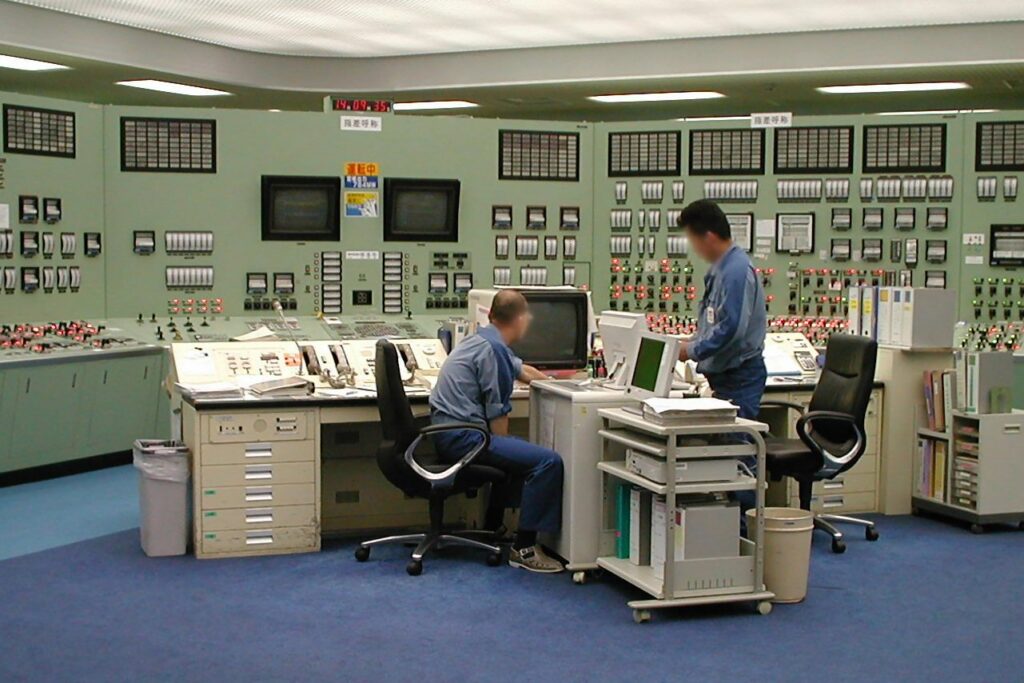
Photo: kawamoto takuo (CC BY 2.0)