The Connected Vehicle Security Act, sponsored by Senators Bernie Moreno and Elissa Slotkin, is being pushed for a Senate voice vote in December before the current Congress ends, with the Alliance for Automotive Innovation signalling it is very supportive of the ban on components from key adversaries like China and Russia.
The Software Supply Chain as Attack Surface
The technical reality is that modern connected vehicles are rolling sensor platforms with persistent cellular links, over-the-air update mechanisms, and telematics control units that bridge infotainment, navigation, and vehicle dynamics. That architecture creates a software supply chain where a single compromised library or malicious firmware push can reach every vehicle in a fleet simultaneously. Lawmakers are targeting the components that sit at the centre of that connectivity — the telematics modules, the gateway ECUs, and the vehicle-to-everything (V2X) stacks — because they are the logical choke points for data exfiltration or remote actuation. The Commerce Department’s existing rules on Chinese connected-vehicle technology already bar Chinese-linked automakers from selling connected cars in the US starting with the 2027 model year, effectively treating the software stack as a controlled item.
Why Battery Management Systems Are the Detail That Matters
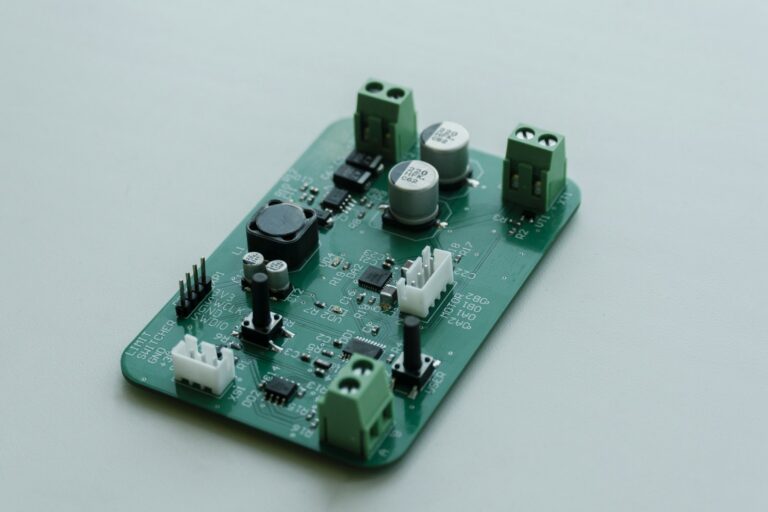
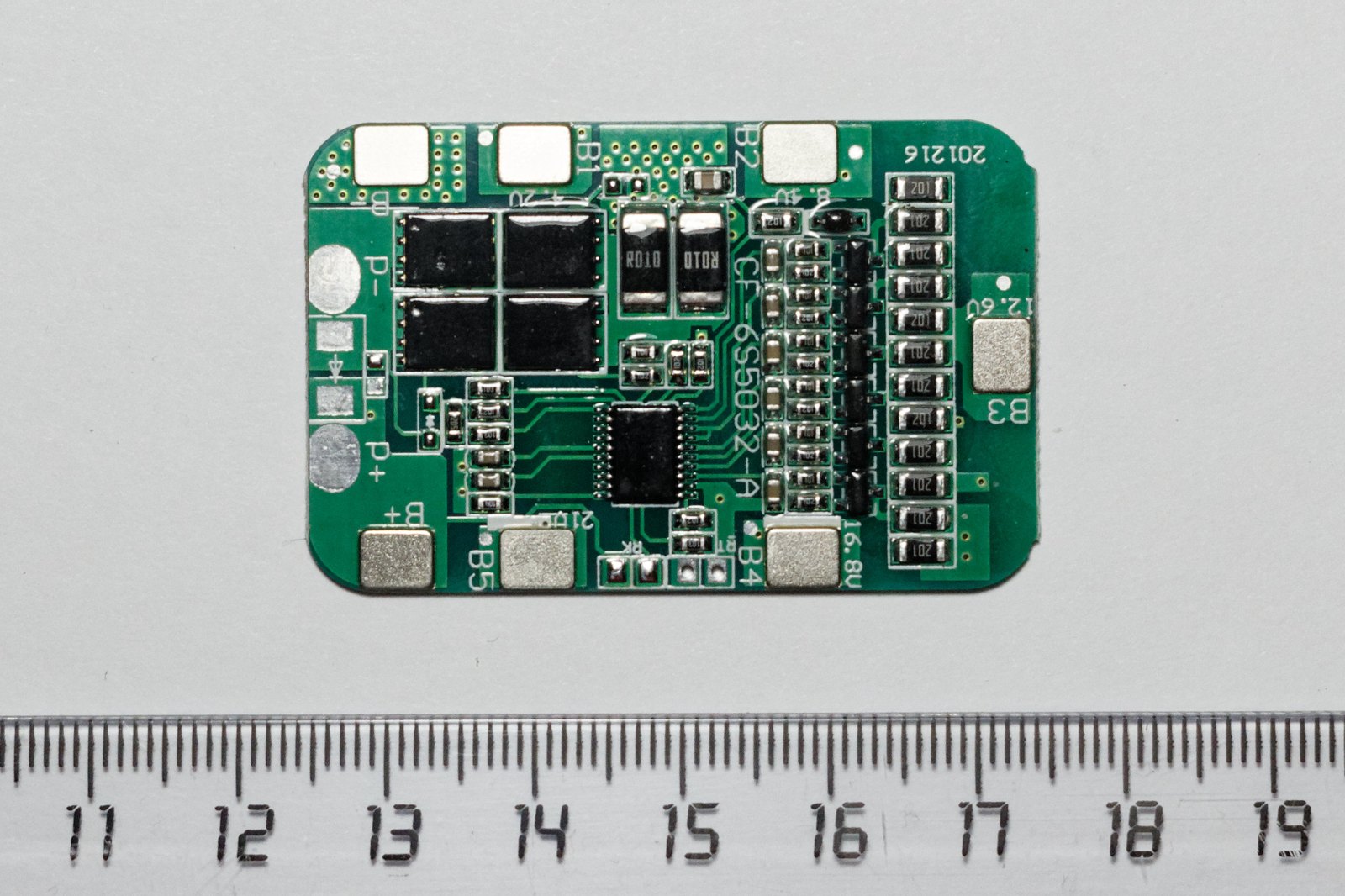
Under the hood, the legislation draws a precise line: it leaves high-voltage traction batteries out of the restrictions but explicitly covers battery management systems (BMS). That distinction is the detail that matters. A BMS is not merely a voltage monitor; it is a safety-critical computer with its own microcontroller, firmware, and often a dedicated CAN or Ethernet link to the vehicle’s central gateway. It handles cell balancing, thermal runaway detection, state-of-charge estimation, and fast-charge negotiation — functions that require privileged access to the vehicle’s power architecture and communication buses. Compromise the BMS firmware and you gain a persistent, low-level foothold that survives infotainment resets and can manipulate charging behaviour or disable the pack entirely. Ford’s licensing deals with CATL for battery technology illustrate why the carve-out exists: the chemistry and cell format are treated as commodities, but the BMS software that manages them is treated as a national security trigger.
Ownership Thresholds and the Passive Stake Loophole
The July committee draft would have banned any brand more than 15% owned by Chinese entities, a threshold that would have captured Mercedes-Benz. China’s state-owned BAIC Group holds 9.98% of Mercedes voting rights, and Geely founder Li Shufu holds 9.69% through Tenaciou3 Prospect Investment Limited, pushing the combined stake over the line. The revised language now allows sales if Chinese ownership stakes are passive, meaning they carry no voting power. Mercedes has previously stated that no shareholder holds more than 10% of its stock and that its major shareholders have no control or decision-making authority over the company. The distinction turns a corporate governance question into a technical compliance test: can the automaker prove the foreign stakeholder has no mechanism to influence software deployment, supplier selection, or data handling?
Legislative Timeline and Industry Alignment
Senator Moreno said on Monday that negotiators are “basically done with the bill,” targeting passage during the lame-duck session before January. The International Brotherhood of Teamsters, with 1.3 million members, has urged Congress to move quickly. Chinese vehicles already face 100% import tariffs and the Commerce Department’s 2027 model-year ban on connected systems. A statute would make that ban far harder to unwind than an administrative rule. Polestar, controlled by Geely, has already ceased US sales after failing to secure a Commerce Department waiver, even though its Polestar 3 is built in South Carolina. That precedent suggests the regulatory endgame is not merely tariffs but a structural exclusion of foreign-controlled software stacks from the US vehicle fleet.
Sources
- The US is pretty close to a law banning Chinese cars, and automakers are on board
- Automotive Audio: Born to be Connected. Why Passengers Finally Get to Have Fun Too
- Most Americans Would Give Up Restaurant Food to Afford their Cars | auto connected car news
- Congress closes in on Chinese car ban, with a possible way out for Mercedes
Photo: EnCata PD / Unsplash (Unsplash License)