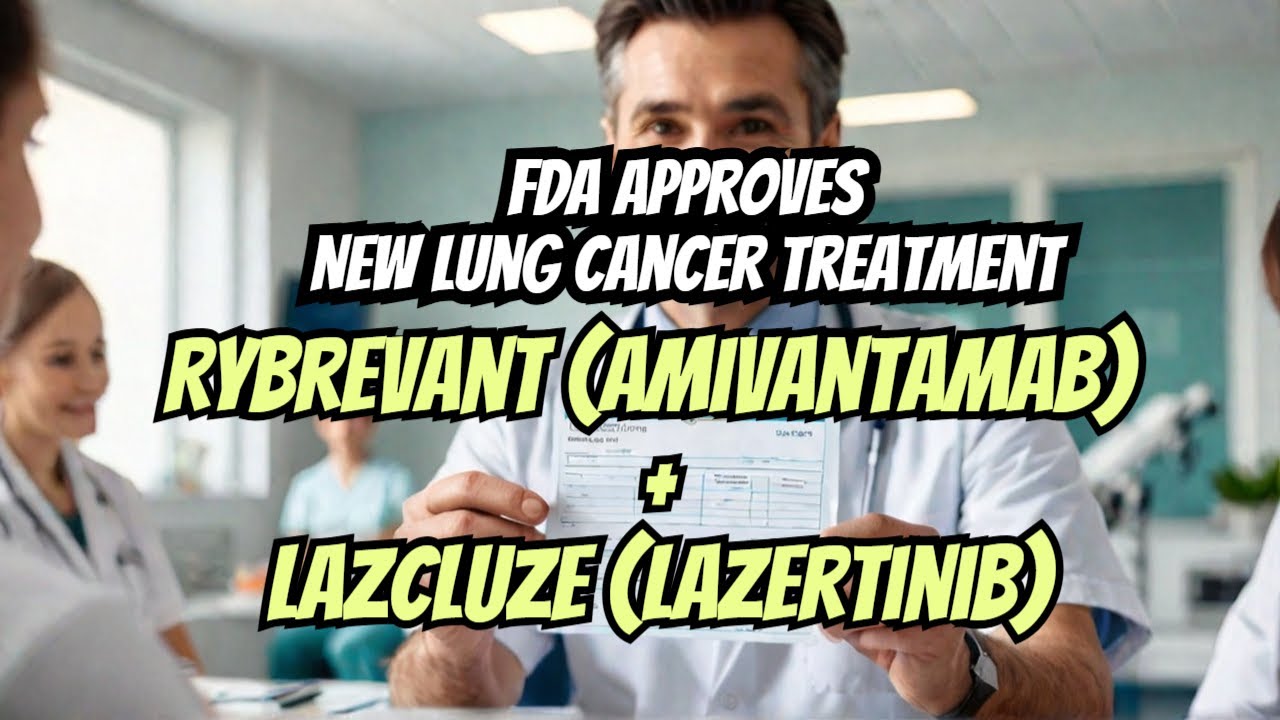
Lazertinib, a medication used in the treatment of non-small cell lung cancer, has recently gained approval in the United States. As of August 15, 2024, this anti-cancer medication, sold under various brand names including Lazcluze and Leclaza, has been cleared for medical use in the country. This development marks a significant milestone in the availability of treatment options for patients with non-small cell lung cancer, a common type of lung cancer.
Lazertinib functions as a kinase inhibitor of the epidermal growth factor receptor, which plays a crucial role in the growth and spread of cancer cells. By inhibiting this receptor, Lazertinib helps to slow down or stop the growth of cancer cells, providing a potential treatment avenue for patients with non-small cell lung cancer. The mechanism of action of Lazertinib is a key aspect of its therapeutic effect, and its approval in the US is expected to expand treatment possibilities for patients.
While Lazertinib offers a new treatment option for non-small cell lung cancer, it is not without side effects. The most common adverse reactions associated with Lazertinib include rash, nail toxicity, infusion-related reactions, musculoskeletal pain, edema, stomatitis, venous thromboembolism, paresthesia, fatigue, diarrhea, constipation, COVID-19 infection, hemorrhage, dry skin, decreased appetite, pruritus, nausea, and ocular toxicity. These side effects highlight the importance of careful patient monitoring and management during treatment with Lazertinib.
Lazertinib’s approval in the US follows its earlier approval in South Korea in January 2021. This international approval trajectory underscores the global recognition of Lazertinib’s potential in treating non-small cell lung cancer. As the medication becomes more widely available, it is likely that its use will be closely watched by healthcare professionals and patients alike, with a focus on its efficacy and safety profile in real-world clinical settings.
The approval of Lazertinib in the US is a significant development in the field of oncology, particularly for patients with non-small cell lung cancer. As research and development continue in this area, it is essential to consider the broader context of cancer treatment and the various options available to patients. The availability of medications like Lazertinib contributes to a more comprehensive approach to cancer care, offering hope for improved outcomes and quality of life for those affected by this disease.
Looking ahead, it will be important to monitor the ongoing use and evaluation of Lazertinib in clinical practice. As more data becomes available on its long-term efficacy and safety, healthcare professionals will be better equipped to make informed decisions about its use in treating non-small cell lung cancer. Additionally, ongoing research into new and innovative cancer treatments will continue to shape the landscape of oncology, offering potential for further advancements in the years to come. With Lazertinib now approved in the US, attention will turn to its integration into clinical practice and its potential impact on patient outcomes, making this an important area to watch in the field of cancer treatment.