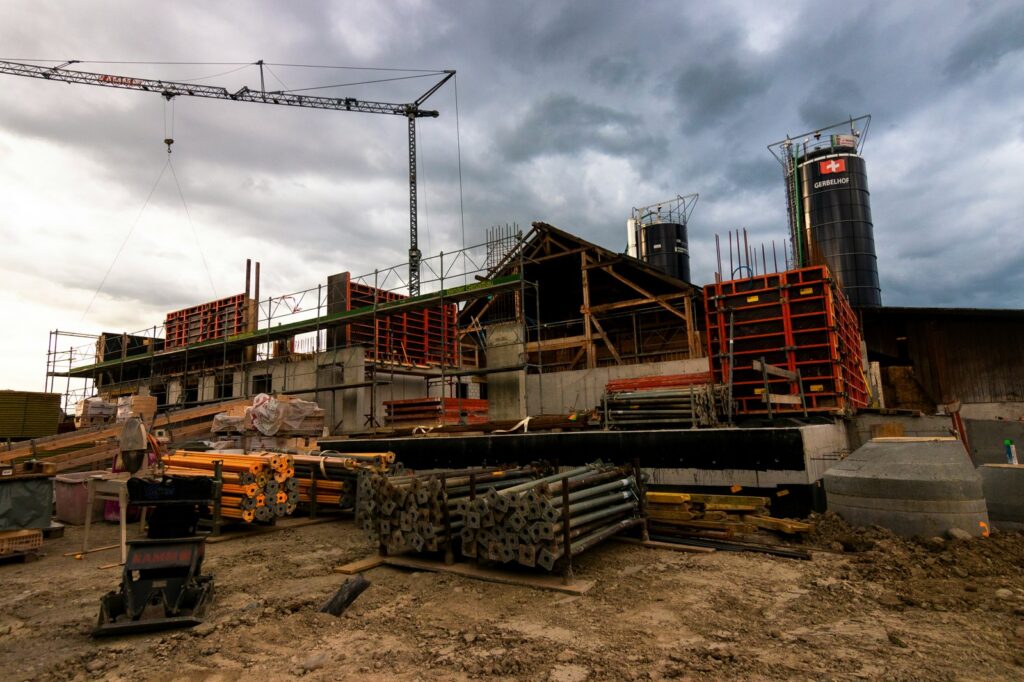
TAYLOR, TEXAS, November 5, 2026 — Samsung’s second semiconductor fabrication plant in Taylor, Texas, is reportedly booked to full capacity through 2030 before formal construction has even begun. AMD accounts for the vast majority of those orders, anchoring the facility’s mission to produce 2nm logic base dies for high-bandwidth memory.
Capacity Lock-In
Industry sources cited by South Korea’s Maeil Business Newspaper say AMD’s demand alone could consume the entire planned output of Taylor Fab 2, a roughly 2.7-million-square-foot facility about 1.5 times the size of Samsung’s first Taylor plant. NVIDIA is also named as a customer, though its share is described as far less certain. Samsung has not confirmed customer details.
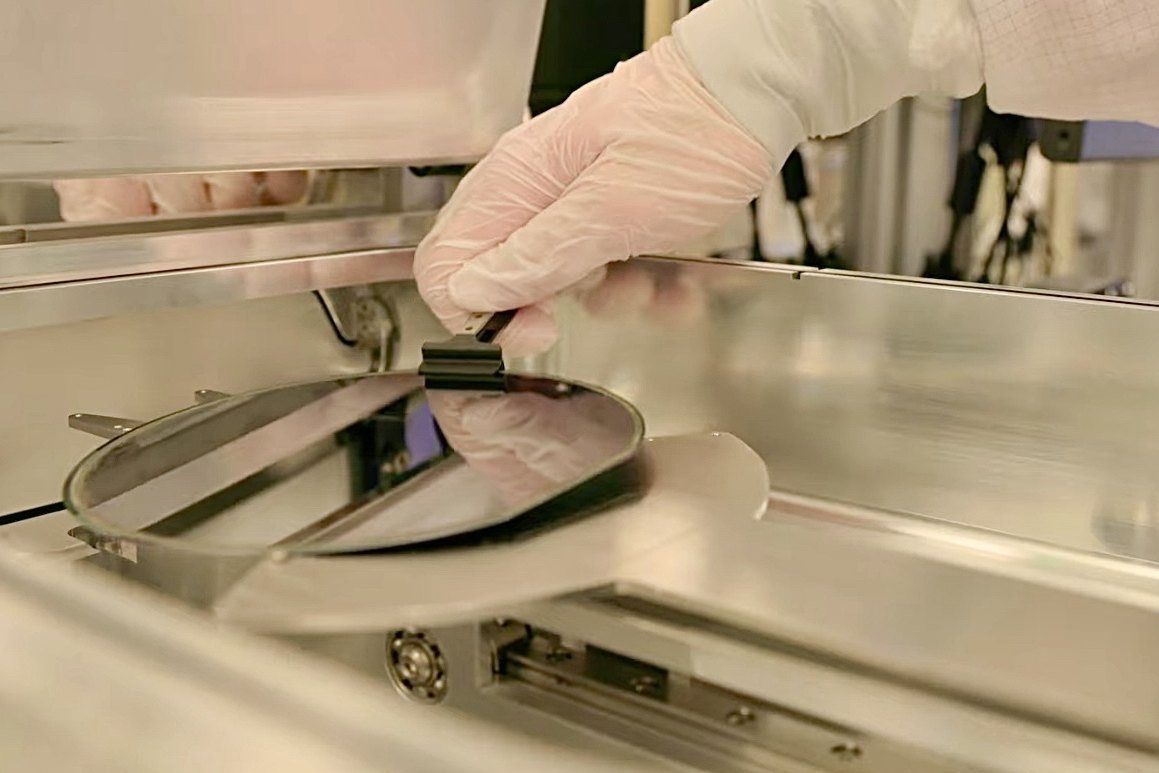
The technical reality is specific: this fab will not make CPUs or GPU compute dies. It will manufacture the logic base die that sits at the bottom of an HBM stack, managing communication between the stacked DRAM and the processor. That base die is a foundry logic product, distinct from the memory wafers produced by Samsung’s DRAM division. Current mass-produced HBM4 and sampled HBM4E use 4nm base dies; the 2nm process slated for Taylor Fab 2 targets subsequent HBM generations.
Strategic Shift
The reported lock-in marks a deliberate pivot. Samsung’s first Taylor fab secured Tesla for advanced automotive logic; the second is being built explicitly for the AI compute supply chain. The move follows Samsung’s selection in March as a preferred HBM4 supplier for AMD’s Instinct MI455X accelerator, extending a relationship that already covered HBM3E for the MI350X series. AMD’s third-quarter results, released November 3, showed data center revenue up 97% year on year to $8.546 billion, underscoring the demand signal driving the capacity reservation.
For Samsung’s foundry business, which remains loss-making despite a third-quarter revenue lift from HBM logic die sales and advanced 2nm orders from hyperscalers, the AMD anchor order is a significant vote of confidence in its 2nm node. Industry observers also identify Broadcom as a potential additional customer for base dies from the facility.
Supply Chain Logistics
Under the reported plan, Samsung will manufacture the logic base dies in Texas and combine them with DRAM produced in South Korea to ship completed HBM stacks. This cross-border flow — logic from the U.S., memory from Korea — reflects the packaging-driven architecture of modern AI accelerators, where the base die’s interconnect density and power efficiency are as critical as the DRAM layers above it.
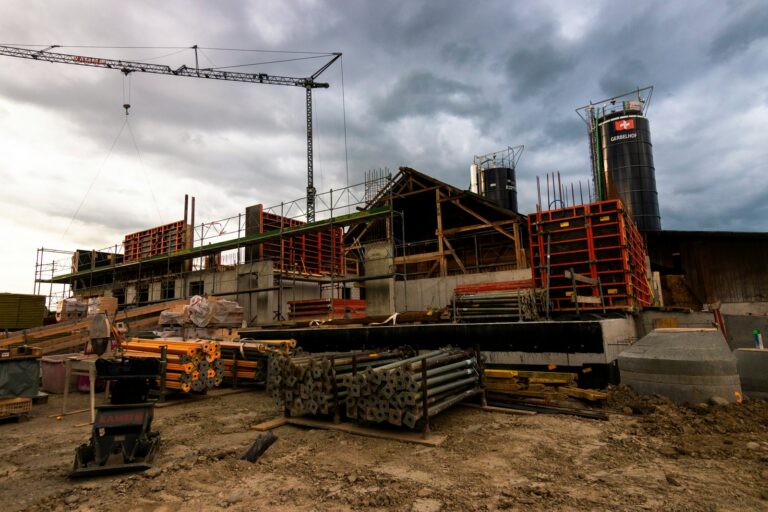
Site preparation and ground leveling are already underway. Formal construction is scheduled to begin in early November 2026, with equipment installation projected for February 2029 and mass production targeted for 2030.
Competitive Landscape
The NVIDIA relationship illustrates the competitive tension. Reports indicate NVIDIA has asked all three major memory manufacturers, including Samsung, to outsource base die production for its custom NVHBM architecture to TSMC. Samsung is reportedly assessing whether its own foundry processes could serve as a backup if TSMC capacity falls short, but the preference for TSMC limits Samsung’s addressable market for NVIDIA’s next-generation designs. Traditional HBM and NVHBM may coexist during the transition, yet wider NVHBM adoption would constrain Samsung’s ability to win additional base die orders.
Beyond HBM, Samsung is pursuing broader AI foundry work. According to ChosunBiz, the company may manufacture 2nm AI chips for a U.S. cloud customer through Taiwan-based ASIC design house Faraday, a project that could help Samsung attract customers seeking alternatives to TSMC. Manufacturing orders for that effort remain unconfirmed.
Future Outlook
The Taylor Fab 2 bookings provide Samsung’s foundry operation with a substantial prospective customer base years ahead of output. Whether that translates into sustained profitability depends on execution: ramping a 2nm node in a new geography, managing the logistics of trans-Pacific die-to-wafer bonding, and defending the AMD relationship against TSMC’s incumbent position. The next concrete milestone is the start of formal construction in early November 2026.
Sources
- Samsung’s Taylor Fab 2 Is Reportedly Booked Through 2030, With AMD Leading HBM Orders | ThinkComputers.org
- [News] Samsung 2nm Taylor Fab 2 Reportedly Fully Booked Before 2030 Output, Led by AMD HBM Base Die Orders
- Samsung's Second Taylor Fab Orders Locked In Before Groundbreaking; Reportedly to Make HBM Base Dies for AMD, Nvidia — BigGo Finance
- Samsung’s Next Texas Fab Could Be Almost Entirely for AMD
Photo: Jan Huber / Unsplash (Unsplash License)