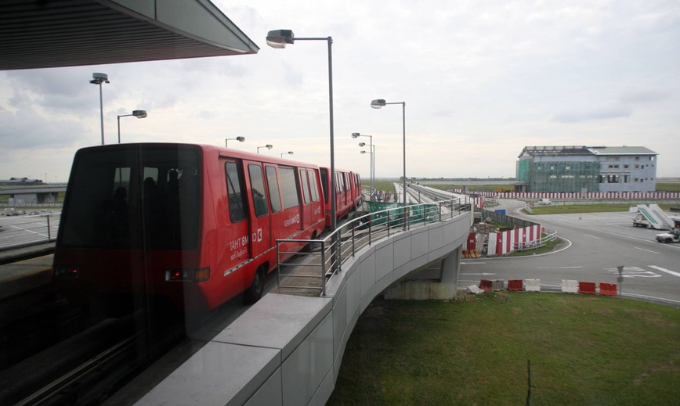
Malaysia, August 11, 2023 — cybernewschronicle.com — The prolonged breakdown of the KLIA Aerotrain is generating significant economic fallout, with the disruption to passenger flow raising questions about the fiscal consequences for Malaysia’s tourism and transport sectors. Since the system went out of commission on June 15, 2023, the Kuala Lumpur International Airport has been forced to rely on packed buses as an alternative, a situation that industry observers say could deter high-spending travelers and tarnish the nation’s reputation as a premier travel destination.
The loss of the aerotrain, which serves as a vital link for thousands of tourists and passengers moving within KLIA each day, has created logistical bottlenecks that carry direct economic costs. Over the past month, the system’s suspension has forced airlines and airport operators to absorb additional expenses for bus operations, while the inconvenience to passengers may reduce repeat visitation.
Datuk Dr Mohd Puad Zarkashi, a prominent voice in the Johor state assembly, has highlighted that the breakdown affects not only individual travelers but also the thousands of tourists who rely on this facility daily. The absence of decisive action from the relevant ministers, including Minister of Transport Anthony Loke and Minister of Tourism, Arts, and Culture Datuk Seri Tiong King Sing, has added to the frustration and confusion, potentially undermining investor confidence in Malaysia’s airport infrastructure.
Market Reaction and Tourism Sector Concerns
The tourism industry, a key driver of Malaysia’s economy, is particularly sensitive to such disruptions. Mohd Puad has emphasized that the overcrowded buses, where passengers and their luggage are crammed together, contradict the hospitality that Malaysia aims to extend to its visitors. He has argued that this situation has earned the country the moniker of “Malaysia’s Hostility” rather than “Malaysia’s Hospitality.” While Datuk Tiong King Sing swiftly intervened to assist Chinese tourists in one instance, he has remained silent on the broader issues plaguing the aerotrain system.
This selective attention has drawn criticism, as the absence of key ministers during the ordeal raises concerns about the government’s handling of the situation. The KLIA Aerotrain’s history is marred by technical difficulties and recurrent breakdowns, which have led to the suspension of its services multiple times over the past 24 months, further compounding the economic risks.
Fiscal Consequences and Government Oversight
The lack of ministerial oversight during a period of prolonged disruption has fiscal implications. The government’s failure to address the aerotrain issues promptly could lead to higher operational costs for airport authorities and lost revenue from reduced passenger throughput. As plans for a new aerotrain system are in the pipeline, the immediate focus remains on providing a reliable and efficient transportation solution for passengers using Kuala Lumpur International Airport.
However, the absence of the Minister of Transport and the Minister of Tourism, Arts, and Culture from the scene has left many questioning the government’s commitment to maintaining critical infrastructure. Looking ahead, stakeholders will be watching closely for concrete steps from the relevant ministries to restore the aerotrain service and mitigate the economic damage.
Without swift intervention, the ongoing disruptions could further strain Malaysia’s reputation as a regional travel hub, with potential long-term consequences for tourism receipts and airport-related investments.