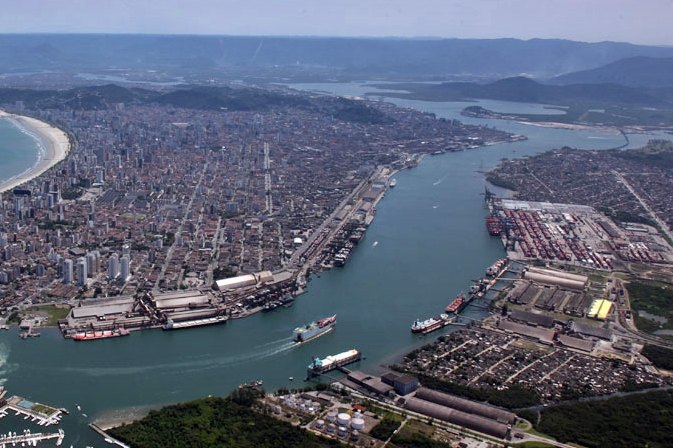
SANTOS, November 26, 2026 — A power outage on November 6 cascaded into a ransomware intrusion that erased server data and knocked the Santos Port Authority’s administrative systems offline for weeks. The port continued moving cargo, but the technical reality is that Latin America’s largest port operated on paper while its ERP, billing, and access-control systems were rebuilt from scratch.
The Chain Reaction
The sequence began with an electrical system failure that shut down the authority’s data centers. When servers were restarted, a ransomware intrusion was observed; the intruder erased data on the servers, damaging the administrative software estate. The systems taken offline included electronic security access control, the billing platform, truck appointment scheduling, and the digital document management system. Many basic transactions, including security access management, shifted to paper processes. As of November 25, the port was still bringing database tools back online, with the document-management system showing fitful stability.
Cargo Moves, Administration Stalls
Independently-operated terminals were not affected by the cyber incident, and physical operations continued using manual backup methods. Ship moorings, truck arrivals, and train movements remained regular. On November 17, the authority met with approximately 60 terminal representatives at the Santos Technological Park to detail the incident timeline and opened an email-based service desk for client adjustment requests. The authority invited terminals to suggest system integration improvements to increase the port’s cybersecurity posture.
Physical Security Fills the Digital Gap
The São Paulo State Commission on Public Security at Ports, Terminals and Waterways ordered a security level increase on November 8. Contingency procedures pre-established under the Port Public Security Plan enabled rapid deployment. At least two Port Guard officers are now stationed at every public quay access gate. All people with bags and all vehicles are inspected, replacing random checks. Visitor access to restricted areas requires email justification and document verification. Manual entry and exit records are maintained until systems are fully restored. Issuance of new access credentials is suspended for new users and occasional visitors. No public security incidents have been recorded since the cyberattack.
The Regional Technical Reality
The outage exposes a systemic gap: segregated OT/IT networks and mature incident response capacity remain rare across the region’s port logistics chains. Dragos estimates at least 82 claimed ransomware attacks at industrial companies in South America in the third quarter alone, a count that excludes victims who paid quietly and stayed off leak sites. AI-enabled tooling is lowering the barrier for intrusion into hardened industrial server systems. The Santos incident demonstrates that when administrative IT collapses, the fallback is analog — paper logs, manual gates, and email inboxes — while the cargo terminals, running on separate operational technology, keep loading ships.
Sources
- Cyber Incident Disrupts IT Systems at Port of Santos for Weeks
- CMA CGM, Copersucar and Bunker One complete first bioethanol bunkering of a deep-sea containership in Brazil, at the Port of Santos | Ethanol Producer Magazine
- Santos Port Authority Details Cyber Incident to Terminals – DredgeWire
- Santos Port Authority Steps Up Security Measures Following Cyberattack
- Florida Cruise Port Issues Important Holiday Travel Warning
- Petrobras ships pre-salt crude to Japan for the first time, sending about 950,000 barrels from the Libra field to Idemitsu as the Hormuz crisis cuts Middle Eastern oil supplies
Photo: Agência CNT (CC BY 2.0)