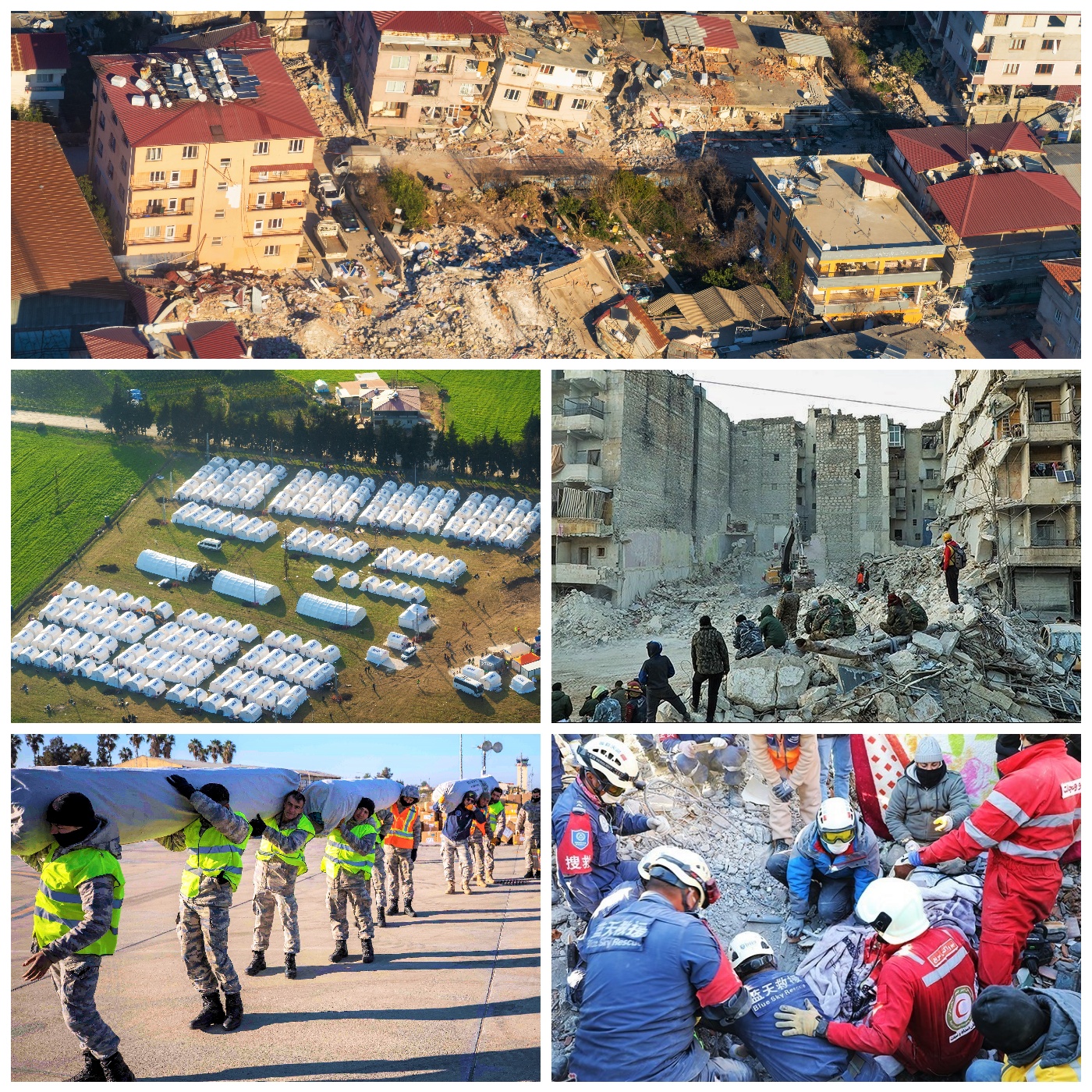
The international community has rallied around Turkey and Syria after the devastating earthquakes that struck on 6 February 2023, with at least 105 countries and 16 international organizations pledging support for victims of the disaster. This outpouring of aid and assistance is a testament to the global commitment to humanitarian response, with many countries putting aside their differences to provide critical support. Turkey, in particular, has been able to garner significant global support, thanks in part to its long-standing focus on aid and disaster diplomacy.
One of the most significant aspects of the international response has been the deployment of search and rescue teams, with more than eleven countries providing teams with search and rescue dogs to locate victims under the debris. This expertise has been crucial in the immediate aftermath of the disaster, as rescue workers scramble to reach those trapped beneath the rubble. In addition to these teams, monetary support has also been offered, with many countries providing financial assistance to help Turkey and Syria recover from the disaster.
Despite the widespread support for Turkey, the response to Syria has been more complicated. International sanctions on the country, as well as government limitations on humanitarian organizations, have hindered the ability of aid groups to operate effectively. As a result, the outreach to Syria has been “less enthusiastic” than that to Turkey, with many countries struggling to balance their desire to provide humanitarian assistance with the need to comply with international sanctions. This has raised concerns about the ability of aid to reach those who need it most, particularly in areas outside of government control.
The global response to the earthquakes has also highlighted the complex geopolitics of the region. Turkey’s ability to secure support from a wide range of countries, including regional rivals and poorer nations, is a reflection of its strategic position and diplomatic efforts in recent years. In contrast, Syria’s isolation has made it more difficult for the country to receive the aid it needs, with many countries wary of providing assistance that could be seen as supporting the government. As the international community continues to respond to the disaster, it will be important to watch how these geopolitical dynamics play out.
As the situation on the ground continues to evolve, it is clear that the road to recovery will be long and challenging. The international community will need to remain committed to providing support and assistance to both Turkey and Syria, even as the initial shock of the disaster begins to fade. This will require a sustained effort to provide humanitarian aid, as well as longer-term support for reconstruction and recovery. As the United States and other countries consider their response to the disaster, they will need to balance their desire to provide assistance with the need to navigate the complex geopolitical landscape of the region.
Looking ahead, it will be important to watch how the international response to the earthquakes continues to unfold. Will the global community be able to sustain its commitment to providing aid and assistance, or will the response begin to flag as the disaster recedes from the headlines? How will the geopolitical dynamics of the region shape the response to the disaster, and what will be the long-term consequences for Turkey and Syria? As the situation continues to evolve, one thing is clear: the international community has a critical role to play in supporting the people of Turkey and Syria as they recover from this devastating disaster.
As the world looks on, it is clear that the response to the 2023 Turkey-Syria earthquakes will be a major test of the international community’s ability to come together in the face of disaster. With the United States and other countries playing a leading role in the response, it will be important to watch how they navigate the complex challenges of providing aid and assistance in a region marked by geopolitical tensions and instability. As the days and weeks ahead bring new challenges and opportunities, one thing is certain: the international community will be watching closely to see how the response to this disaster unfolds.