NEW HAVEN — The idea that a “good fat” might be bad for you is unsettling. But that is exactly what a new Yale School of Medicine study suggests, at least when it comes to one of the deadliest cancers.
Pancreatic cancer kills roughly 90 percent of those diagnosed within five years. Diet has long been considered a factor in its development, but the research published in Cancer Discovery zeroes in on something more precise: not just how much fat you eat, but which kind.
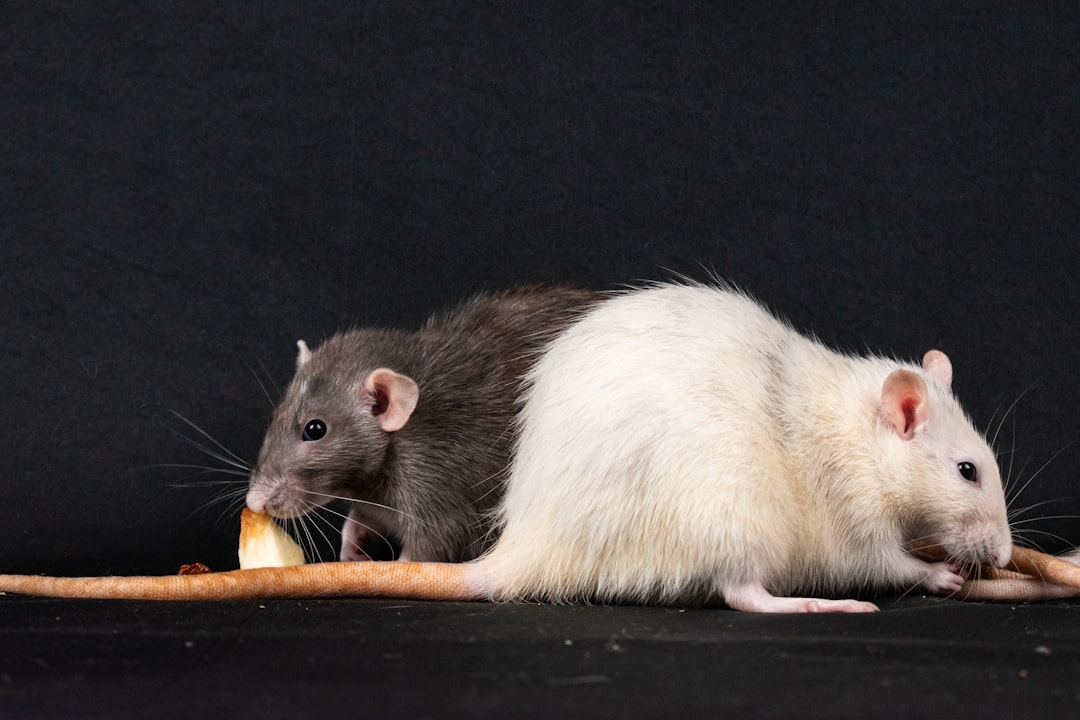
The team worked with mice genetically predisposed to pancreatic ductal adenocarcinoma, the most common form of the disease. They fed the animals high-fat diets with identical calorie counts. The only variable was the fat source.
Oleic acid — the monounsaturated fat that makes olive oil a staple of heart-healthy Mediterranean diets — accelerated tumor growth significantly. Fish oil, packed with omega-3 polyunsaturated fats, cut disease development roughly in half.
The proposed mechanism centers on ferroptosis, a recently identified form of cell death triggered by lipid oxidation. Polyunsaturated fats, like those in fish oil, oxidize easily. That oxidation pushes malignant cells toward death. Monounsaturated fats resist oxidation. The Yale researchers argue this resistance may shield cancer cells, letting them thrive.
The effect was pronounced in male mice but largely absent in females. The report does not explain why. It is a detail that raises more questions than it answers.
This is not a study that tells anyone to throw away their olive oil. The work has not been replicated in humans. The researchers themselves advise patients to consult their doctors for personalized dietary guidance. Animal models are useful, but they are not people. Metabolism, genetics, and environment all differ.
Still, the finding lands in a landscape of growing complexity. For decades, dietary fat was a blunt villain. Then came the era of nuance: saturated fat was bad, unsaturated fat was good. Olive oil became a near-superfood. This study complicates that picture. It suggests that even within the category of “healthy fats,” biological context matters enormously.
Pancreatic cancer is notoriously difficult to treat. It is often diagnosed late. Chemotherapy has limited effectiveness. Surgical options are brutal. Anything that might shift the odds, even in a mouse model, draws attention.
The Yale study is one piece of a much larger puzzle. Diet and cancer have a tangled relationship. Some fats fuel inflammation. Others suppress it. Some cancers feed on certain lipids. Others do not. The idea that the same molecule could protect the heart while helping a tumor grow is not a contradiction. It is a reminder that the body does not sort nutrients into simple good-and-bad categories.
What comes next is more research. Human trials, if they happen, will take years. In the meantime, the study offers a specific biological mechanism to test. That is more than many diet-cancer studies provide.
For now, the takeaway is not a dietary commandment. It is a signal that the relationship between food and disease is more intricate than any single nutrient label can capture. Olive oil remains heart-healthy. Fish oil remains a strong candidate for anti-inflammatory diets. But for someone with a genetic predisposition to pancreatic cancer, the balance may shift.
That is a question for doctors, not headlines.