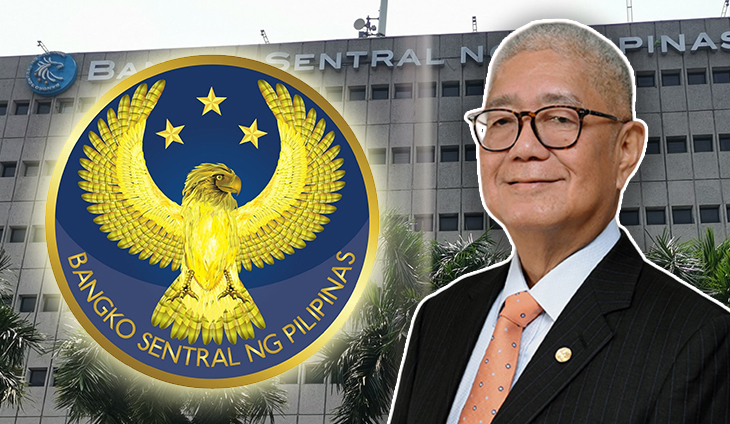
Bangko Sentral ng Pilipinas raised its benchmark rate by 25 basis points to 6.75 percent on 10 April 2025, the fourth hike since December, aiming to cool inflation that hit 4.2 percent in March and has run above the 2-4 percent target band for eight straight months.
Rate move signals renewed tightening cycle
The Monetary Board voted 5-1 to lift the overnight reverse repurchase rate, bringing the cumulative increase since the current cycle began to 150 basis points. Governor Eli Remolona told reporters the decision was “pre-emptive” after second-quarter price data showed food and transport costs accelerating faster than the bank’s February projections. “We will not hesitate to do more if the inflation environment demands it,” Remolona said, adding that the board is prepared to act at the next scheduled meeting on 15 May.
The central bank now expects average inflation to reach 4.1 percent in 2025, up from the previous forecast of 3.9 percent, before easing to 3.3 percent next year. Core inflation, which strips out volatile food and energy items, quickened to 3.9 percent in March, signalling broadening price pressures. The peso, which has lost 2.4 percent against the dollar since January, firmed 0.3 percent on the announcement as investors bet the move would narrow the interest-rate gap with the United States.
Food and energy costs drive price surge
Rice, fish and electricity accounted for more than half of the March inflation print, according to the Philippine Statistics Authority. Rice prices rose 9.7 percent year-on-year, the fastest pace since 2019, after dry weather linked to El Niño cut yields and India extended export curbs. Electricity rates in Metro Manila jumped 11 percent after the state grid operator allowed higher generation charges to cover imported fuel costs.
Finance Secretary Ralph Recto, who sits on the Monetary Board, said fiscal agencies are working to boost food imports and roll out subsidies for low-income households. “Monetary policy alone cannot anchor expectations if supply shocks persist,” Recto said in a televised briefing. The agriculture department has approved an additional 1.2 million metric tonnes of rice imports for the third quarter, while the energy department is reviewing fuel pricing formulas that critics say allow utilities to pass on cost spikes too quickly.
Growth outlook under pressure
The central bank lowered its 2025 growth forecast to 5.8 percent from 6.2 percent, citing tighter policy and weaker external demand. First-quarter gross domestic product data due on 14 May are expected to show expansion slowed to 5.4 percent, down from 5.7 percent in the final quarter of 2024. Private consumption, which drives two-thirds of output, has softened as remittances from overseas Filipino workers lag behind inflation.
ING Bank Manila senior economist Nicholas Mapa said the hike “adds drag” to an economy still clawing back from pandemic losses. “Household debt is at a record 42 percent of GDP; each rate rise feeds directly into higher monthly payments on mortgages and motor loans,” Mapa wrote in a note. The automotive industry reported a 13 percent drop in first-quarter sales, while bank lending growth slowed to 7.8 percent in February, the weakest pace since 2021.
Business groups warned that rising borrowing costs could deter investment needed to rebuild manufacturing capacity. “We support price stability, but the transmission lag means today’s hike will bite just as firms decide on 2026 capital budgets,” said Sergio Ortiz-Luis, president of the Employers Confederation of the Philippines. He urged the government to fast-track infrastructure projects to offset softer private demand.
Markets price further tightening
Swap contracts now imply a 70 percent chance of another 25 basis-point increase at the May meeting, with the policy rate seen peaking at 7.25 percent by September. Yields on 10-year government bonds rose 8 basis points to 6.42 percent, the highest since November, while the main stock index slipped 0.6 percent in thin trading ahead of the long Easter weekend.
Remolona pushed back against market bets, saying the board is “data dependent” and could pause if global oil prices retreat or if fiscal measures ease food costs. He noted that the Federal Reserve’s own rate path remains uncertain after mixed U.S. jobs data, a variable that could affect peso volatility and imported inflation. “Our primary mandate is domestic price stability; we will not shadow the Fed blindly,” he said.
The governor also signalled a possible shift in communication strategy, hinting at shorter post-meeting statements to avoid over-interpretation of wording tweaks. Analysts at Nomura said the central bank risks falling behind the curve if supply shocks persist, but acknowledged that “over-tightening” could tip the recovery off course. “It’s a narrow path between anchoring expectations and safeguarding growth,” they wrote.
BSP Deputy Governor Francisco Dakila stressed that the bank’s inflation-targeting framework remains credible, pointing to well-anchored five-year breakeven rates near 3.2 percent. “Medium-term expectations are within target; our job is to keep them there,” Dakila told local radio. He added that the bank is reviewing its inflation models to better capture climate-related supply disruptions that have become more frequent.
With prices still accelerating and households feeling the pinch, the central bank faces a delicate summer. Policy makers must decide whether to extend the tightening cycle amid signs that previous hikes have yet to fully work their way through the economy. For millions of Filipino families budgeting amid rising rice and power bills, the cost of borrowing may soon rival the cost of living as the year’s biggest economic worry.