
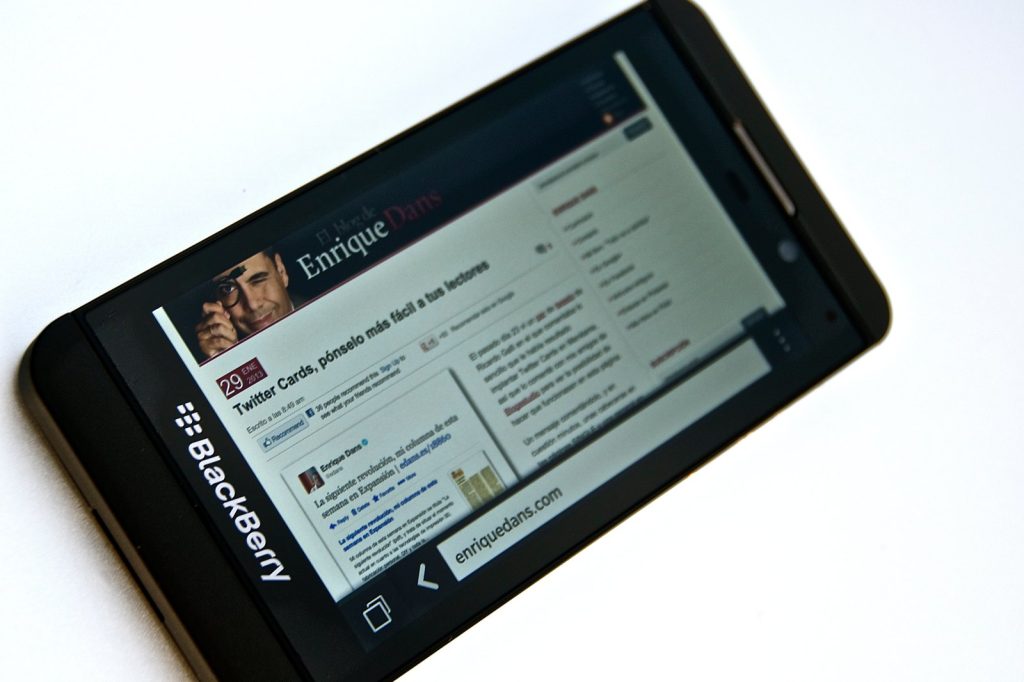
BlackBerry shipped 3.7m smartphones in the quarter ending in August 2013, its lowest total since the summer the first iPhone appeared. Revenue came in at $1.6bn against analysts’ forecasts of $3bn. The phone that was supposed to fix all of that, the all-touchscreen Z10, had stalled.
On Friday, September 20, 2013, the Canadian company confirmed it would fire 4,500 people, about 40% of a workforce of more than 12,700. The Guardian reported that the cuts followed the loss of 5,000 jobs the year before and a smaller round of redundancies that summer. BlackBerry also said it would cut expenses by 50% by the end of the first quarter of 2015.
A launch that did not land
The Z10 reached shelves in January 2013, after many delays, and consumers were not moved. The BBC reported that in June the chief executive, Thorsten Heins, said only 2.7 million Z10 phones had shipped out of 6.8 million BlackBerry handsets in the three months to 1 June. Many BlackBerry users simply kept their older models.
BlackBerry blamed its expected loss mainly on weak Z10 sales, and “more intense competition” after poor sales of the Z10 and the Q10, which came out in April. It warned of a loss of between $930m and $955m, according to the Guardian. The BBC put the anticipated loss as high as $995m.
The detail arrived a week later. On September 27, BlackBerry said it had booked a $934m charge on unsold Z10 units, and that its revenues had fallen to $1.57bn in the August quarter from $3bn in June, the Guardian reported. The quarter’s loss was $965m. Part of the drop came from an accounting change: the company would no longer count phones sold into networks and retailers as revenue until consumers actually bought them.
Shrinking market share, shrinking options
Heins said in a statement that the company was making “difficult, but necessary operational changes” to address its position in “a maturing and more competitive industry.” He added that BlackBerry planned to refocus on an end-to-end offering of hardware, software and services for enterprises and professional users.
The fall in share was steep. BlackBerry held over 14% of the US smartphone market in 2011, but research firm IDC put it under 3% by 2013, behind Microsoft’s Windows Phone, Android and Apple. Shares dropped 17% on the day of the announcement, from $10.20 to $8.03 before recovering to $8.73, after trading was briefly halted.
The company had put itself up for sale at the end of August. “The company has sailed off a cliff,” BGC analyst Colin Gillis told the BBC, adding that the job cuts and losses might dampen enthusiasm among buyers. Days after the Z10 charge, the Guardian reported that BlackBerry had agreed in principle to be taken private by the Canadian firm Fairfax, which offered $9 a share. Fairfax, which held a 10% stake, had not yet raised the money. Shares closed at $7.95 on the Thursday, below the offer.
Industry watchers quoted by the Guardian speculated that the company might close its manufacturing arm, auction its patents, and concentrate on software and secure servers. Heins had already signalled a retreat from the consumer market toward government and corporate clients. He still claimed $2.6bn in cash and no debt.
Sources
- BlackBerry revenues halve in three months as BB10 and Z10 prove unpopular | BlackBerry corporation | The Guardian
- BlackBerry to fire 4,500 employees as sales of new device plummet | The Guardian
- Blackberry to cut 4,500 jobs amid earnings plunge – BBC News




