MIYOSHI, November 28, 2026 — Toyota Motor Corporation has extinguished the cast‑iron furnaces at its Myochi plant in Miyoshi City, Aichi Prefecture, ending a half‑century of drivetrain component production to repurpose the site for all‑solid‑state battery manufacturing. The conversion, which began in 2025, marks the company’s most tangible bet yet on a chemistry it believes will leapfrog the lithium‑iron‑phosphate cells already powering millions of rivals’ EVs.
A Casting Plant Learns Cleanroom Discipline
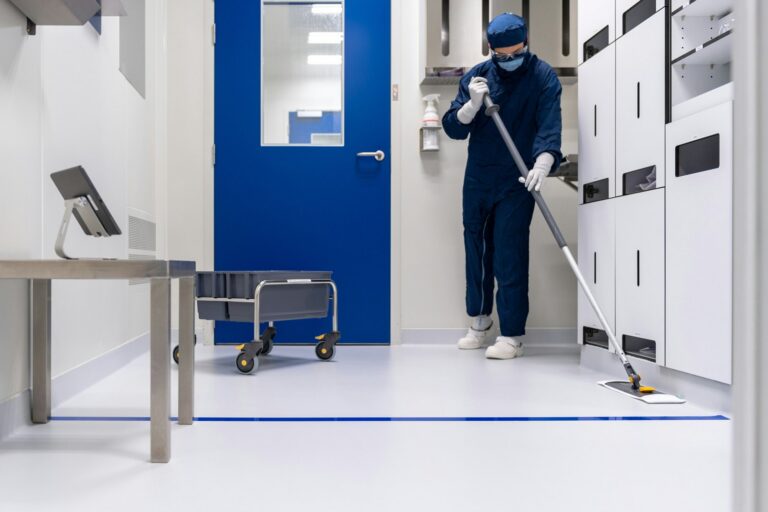
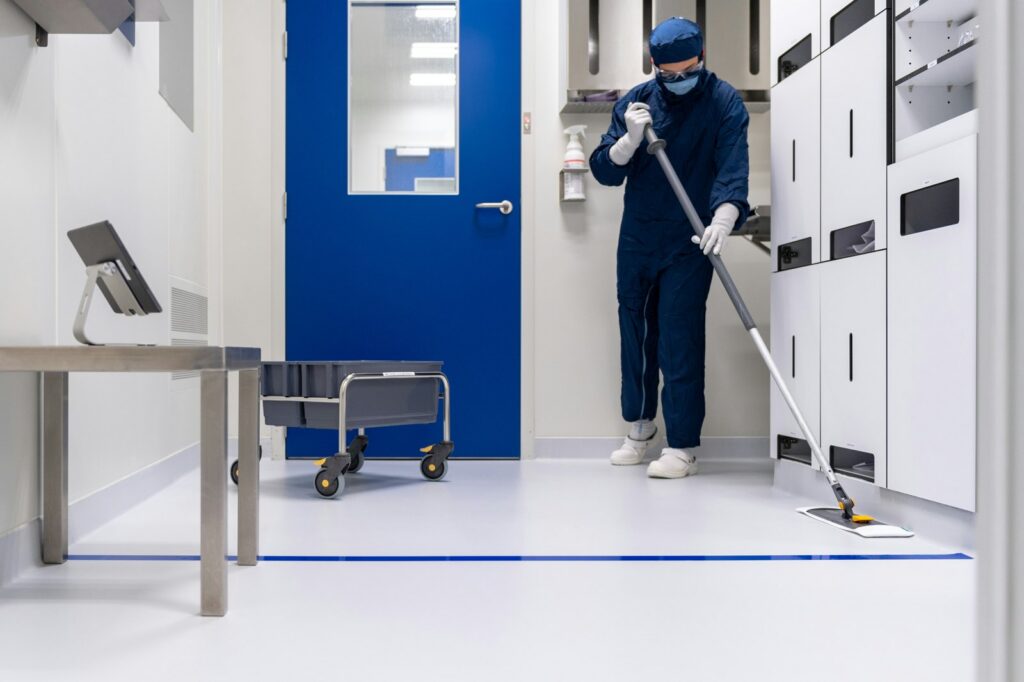
Since 1973, Myochi has turned molten iron into transmission cases and other drivetrain parts in an environment of high heat, sand and airborne dust. All‑solid‑state cells demand the opposite: ultra‑dry, temperature‑controlled cleanrooms where foreign‑matter contamination is measured in parts per billion. Toyota says it will retrofit the facility with contamination‑control systems, humidity regulation and new material‑handling protocols, but argues the workforce’s kaizen problem‑solving skills — honed on the casting line — transfer to the new chemistry. The ministry said the plant’s value lies not in equipment alone but in the “skills and experience acquired by the people working there.”
Why Toyota Rejects the LFP Mainstream
Chinese and Korean OEMs have spent the past decade scaling lithium‑iron‑phosphate batteries, which are cheaper, thermally stable and proven in mass‑market vehicles. Analysts note Toyota’s hesitation stems from a conviction that all‑solid‑state batteries will eventually deliver higher energy density and faster charging, allowing its EVs to differentiate on range and safety rather than price. The company’s “Achieving Zero” and “Beyond Zero” sustainability initiatives frame the transition as a long‑term environmental play, not a near‑term cost optimisation.
Technical Hurdles and a Moving Deadline
Solid‑state electrolytes still face stability issues at scale, and manufacturing yields remain low compared with mature liquid‑electrolyte lines. Toyota’s projected timeline targets pilot production by the mid‑2020s and volume output later in the decade, contingent on solving those yield and stability problems. Meanwhile, the automaker has postponed a separate next‑generation battery plant planned for Kanda Town, Fukuoka Prefecture, originally slated for a 2028 start; officials said the application is being revised to possibly produce hybrid batteries instead of dedicated EV cells.
Market Implications Across Asia
If the all‑solid‑state rollout slips past the early 2020s, Toyota risks ceding the volume EV segment to rivals already selling LFP‑equipped models at lower price points across China, Southeast Asia and India. The industry’s shift from engine‑centric to motor‑centric vehicles has made battery technology the new competitive frontier, and Toyota’s historic emphasis on internal combustion means it must overcome a cultural pivot to prioritise battery R&D and production. The Myochi conversion is the first physical proof of whether monozukuri can bridge that gap.
Sources
- Will Toyota's Battery Strategy Be in Time? Falling Behind in LFP and Entrusting the Future to All-Solid-State Batteries in Japanese Monozukuri|mobterai
- The 2027 Toyota 4Runner: Legendary Capability, Refined for the Road Ahead – Toyota USA Newsroom
- Launch of the New Camry in Japan | Toyota | Global Newsroom | Toyota Motor Corporation Official Global Website
- Honda and Toyota recall 1.6 million vehicles over Takata airbag rupture risk
- The Base 2027 Toyota 4Runner Now Has Heated Seats, but It’ll Start over $45,000 for the First Time
- Toyota Player of the Week: Jake Elliott | Week 11, 2026 Season
Photo: Toon Lambrechts / Unsplash (Unsplash License)