
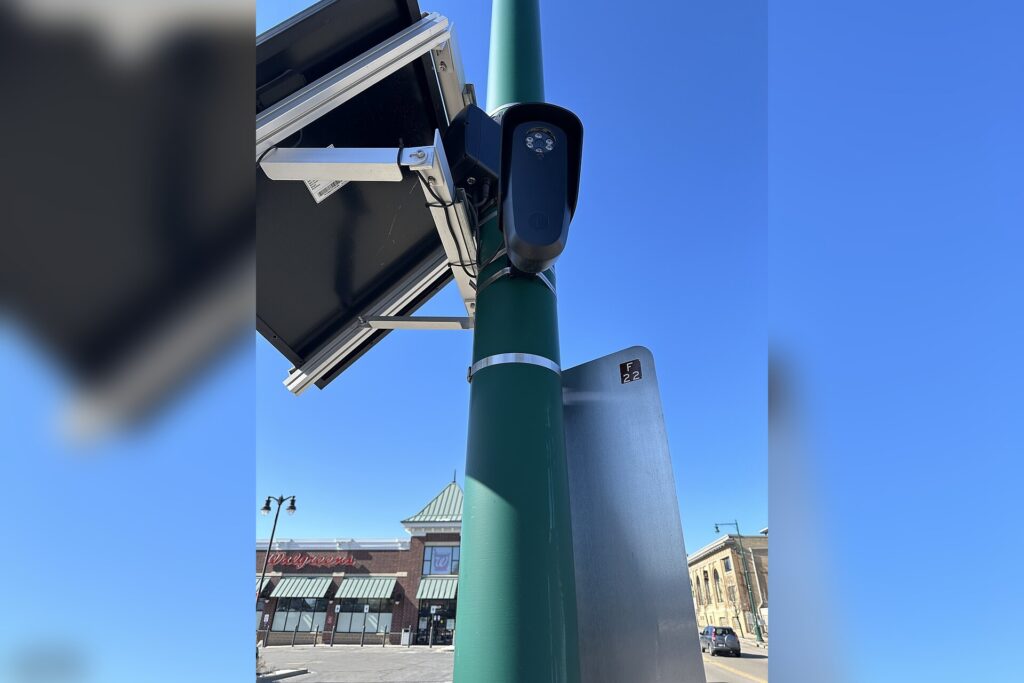
BOSTON, September 15 — The license plate cameras that watched over Roxbury, Dorchester and Mattapan are coming down. Boston has ended its use of Flock Safety license plate reader cameras, city officials confirmed, after an investigation found that outside law enforcement agencies had gained access to vehicle data collected by the system. The decision follows reporting that raised concerns about data-sharing practices and civil liberties, and it closes a chapter that began when the city installed the cameras in 2021.
The contract, reportedly worth hundreds of thousands of dollars, was terminated after the city determined the data-sharing arrangements violated local privacy policies.
How the data traveled out of state
The trouble surfaced through a public records request by the ACLU of Massachusetts, which revealed that Boston police had shared data with agencies outside the state, including in Texas and Florida. That flow of information ran through Flock Safety’s nationwide network, a system the company built to let agencies share what their cameras capture. Flock Safety, founded in 2017 and headquartered in Atlanta, Georgia, manufactures solar-powered license plate reading cameras.
The devices photograph vehicles and cross-reference them against hotlists. By 2023, the company had deployed tens of thousands of cameras across the United States, with its technology in use by more than 1,500 law enforcement agencies.
Critics say that reach is the problem. The ACLU has been a vocal opponent of the technology, arguing it enables mass surveillance and disproportionately affects immigrant communities and people of color. In 2023, the ACLU of Massachusetts published a report documenting how Flock cameras in the state were being used to track individuals for minor infractions.
The Electronic Frontier Foundation has also raised alarms about Flock’s data-sharing agreements, noting that agencies in states with restrictive abortion laws could use the data to track people seeking reproductive healthcare.
A city-by-city reckoning
Boston is not alone. In 2024, the city of Evanston, Illinois, ended its Flock contract following similar privacy concerns. San Francisco in 2023 banned the use of facial recognition technology by police, and Cambridge, Massachusetts, has considered similar restrictions.
States have moved too — Maine and Montana passed laws in 2023 to restrict the use of license plate readers. Flock Safety has defended its practices, stating that it complies with all applicable laws and that its technology helps solve crimes.
The company has pointed to cases where its cameras assisted in locating stolen vehicles and missing persons. The Boston Police Department has not commented on the termination. City officials say they are exploring alternative technologies that would allow for more local control over data.
For privacy advocates, the move is a victory. For other municipalities weighing their own contracts, it is a signal that the terms of the bargain are shifting.
What to watch next is whether Boston’s exit pushes neighboring cities to follow, and whether the vendors adjust their data-sharing terms before more contracts come up for renewal.




