
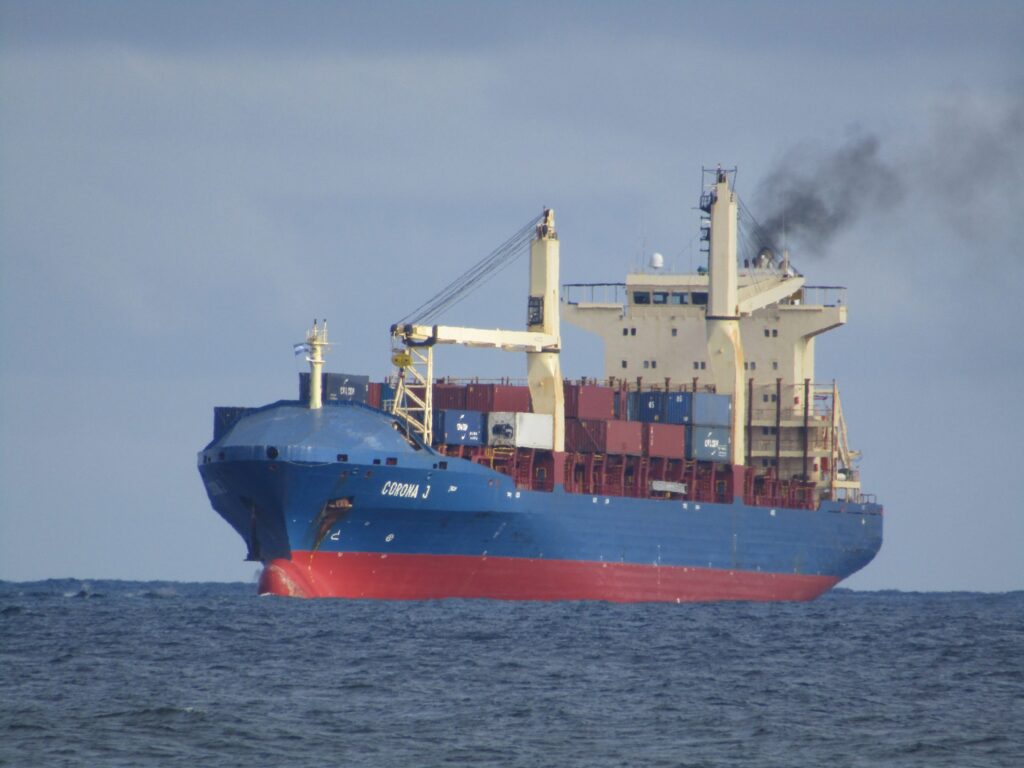
Lesbos, Greece, November 26, 2023 — cybernewschronicle.com — A devastating maritime incident occurred off the Greek island of Lesbos on November 26, 2023, as the cargo ship “Raptor” sank with 14 crew members on board. The Greek coast guard responded swiftly to the emergency, managing to rescue one person and recover the body of another crew member. The incident serves as a stark reminder of the risks and challenges faced by the global shipping industry, which is essential for international trade and the transportation of goods across the world’s oceans.
Cargo ships like the “Raptor” are the backbone of global commerce, carrying vast amounts of goods, commodities, and materials between countries and continents. These vessels come in a wide range of sizes and configurations, from small coastal ships to massive ocean-going carriers, each designed to transport specific types of cargo, such as containers, bulk goods, or liquids.
The construction of modern cargo ships is a testament to human ingenuity, with welded steel hulls and advanced loading mechanisms, including cranes and gantries, enabling efficient and safe cargo handling. As the world becomes increasingly interconnected, the importance of these ships cannot be overstated, and their safe operation is vital for the well-being of people and the planet. The incident off Lesbos also highlights the importance of maritime safety and the need for robust emergency response systems.
The Greek coast guard’s prompt action in responding to the distress call and rescuing one crew member demonstrates the effectiveness of such systems. However, the fact that 12 crew members are still missing underscores the risks and uncertainties faced by those working at sea.
As the search and rescue operations continue, the international community holds its breath, hoping for the safe recovery of the missing crew members. The incident will undoubtedly be subject to a thorough investigation, which will help identify the causes of the sinking and inform measures to prevent such tragedies in the future. The environmental implications of the sinking of the “Raptor” are also a concern, as cargo ships can carry a range of hazardous materials, including fuels, chemicals, and other pollutants.
While the exact cargo of the “Raptor” is not known, the potential for environmental damage is a reminder of the need for stringent safety and regulatory measures to prevent such incidents. A clean and healthy planet is essential for the well-being of all living things, and it is our collective responsibility to protect the oceans and the environment from harm.
By promoting sustainable practices, investing in renewable energy sources, and supporting energy security and cost savings, we can reduce our reliance on polluting fuels and mitigate the risks associated with maritime transportation. As the world looks to the future, it is clear that the shipping industry will continue to play a vital role in global commerce and trade.
However, this must be balanced with the need to protect the environment and ensure the safe operation of cargo ships. By investing in new technologies, improving safety standards, and promoting sustainable practices, we can reduce the risks associated with maritime transportation and create a cleaner, healthier planet for future generations. The use of renewable energy sources, such as wind and solar power, can help reduce the environmental impact of shipping, while also providing energy security and cost savings.
As we move forward, it is essential that we prioritize the health of our planet and take concrete steps to reduce our environmental footprint. Looking ahead, the investigation into the sinking of the “Raptor” will provide valuable insights into the causes of the incident and inform measures to prevent such tragedies in the future.




