
Cove sells a home security system built around one idea: skip the contract and the sales pitch. The company launched in 2018 and has built a reputation as a serious contender in the DIY market, with plans running from $22.99 to $42.99 a month and equipment starting at $109.95. Professional monitoring and cellular backup come with every system. Two review teams, Security.org and SafeHome.org, tested it, and both came away broadly positive.
Hub and panel
Think of Cove as a brain and a remote control. The Cove Hub is the brain. It links the sensors and talks to Cove’s monitoring center. It has no Wi-Fi, so it must be plugged into the router with Ethernet, though a cellular backup covers a patchy connection and a 24-hour battery keeps it communicating through a blackout. The U.S. Energy Information Administration puts the average home’s power interruptions at about eight hours in 2023, not counting major events like ice storms or hurricanes.
The Alarm Panel is the touchscreen controller, and it has an 85 dB siren. You can have up to four of them around the house, say one by the front door and one by the bed. The catch: its own battery lasts only four hours. In a long outage the hub keeps going, but you lose the panel as a way to manage the system.
Sensors, cameras and app
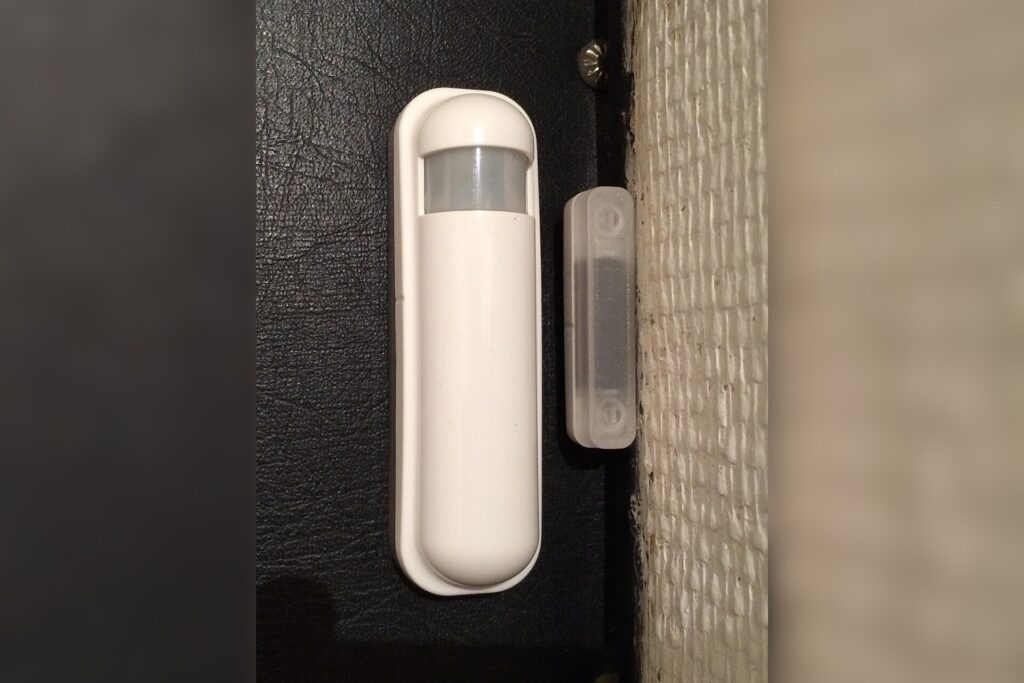
Door sensors have a 300-foot wireless range and a five-year battery, and they are tiny, less than half an inch thick and about two inches tall, nearly half the size of the ADT sensors Security.org compared them with. The motion sensor ignores pets under 35 to 50 pounds, which cuts false alerts. Sensors can be armed individually, so the downstairs can stay armed while you watch a film upstairs. The key remote arms and disarms the system from up to 100 yards away and has a panic button.
The indoor camera records in 2K, pans 360 degrees and tracks people, not pets or passing cars. It stores footage on a microSD card or in the cloud on the Plus and Premium plans. The $159.99 Solar Cam also shoots 2K, has a 90 dB siren and runs up to four months on a charge, needing only three hours of daylight to top up. SafeHome.org noted a $60 indoor camera, a video doorbell at 1080p and the app’s Recipe feature, which runs simple if-this-then-that automations, such as recording when a door opens.
Setup is where Cove shines. You answer an online quiz, and the gear arrives pre-paired to the hub. Security.org’s testers finished in under 20 minutes, with peel-and-stick sensors. Professional installation costs a little over $100. SafeHome.org hit smaller snags: a monitoring-center call that never came, a wait of about 20 minutes on hold, and no clear shipping date from live chat. It judged Cove’s customer service mixed.
Two limits stand out. Every Cove system requires a monitoring subscription, so there is no self-monitoring option, and the hub does not support Alexa or Google Assistant.




