IBM is set to offer access to a dual-processor quantum system in 2027, a significant milestone in the development of reliable quantum computing infrastructure. To achieve this goal, the company must overcome several architectural hurdles, particularly in scaling its multi-processor quantum architecture.
Scaling Architecture And Qubit Performance
The technical reality of scaling quantum architecture from nine to two linked processors is a complex one. According to IBM, the company has stepped back its plan to link multiple Nighthawk processors together, dropping the intended number of linked systems from nine to two for its 2027 deployment. This change in plans is likely due to the challenges of scaling quantum architecture while maintaining performance and reducing errors. The Nighthawk processors released in September achieved major performance boosts via hardware-based qubit resets, which will be crucial in delivering reliable dual-processor systems.
Error Correction And Code Geometry
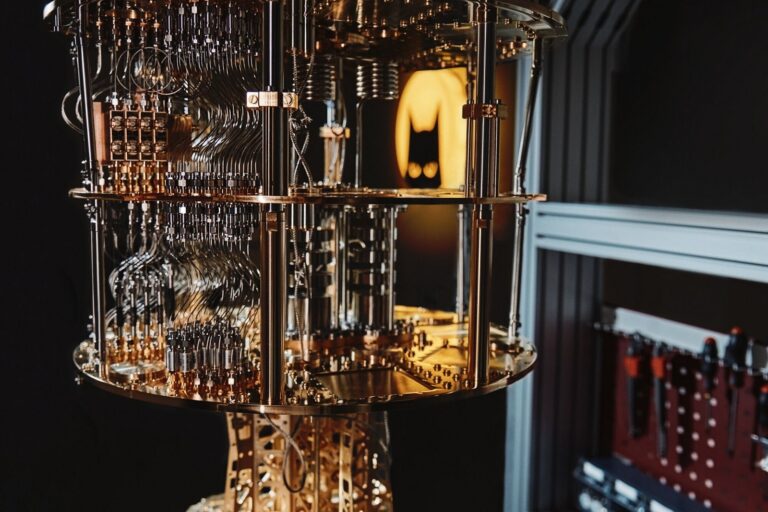
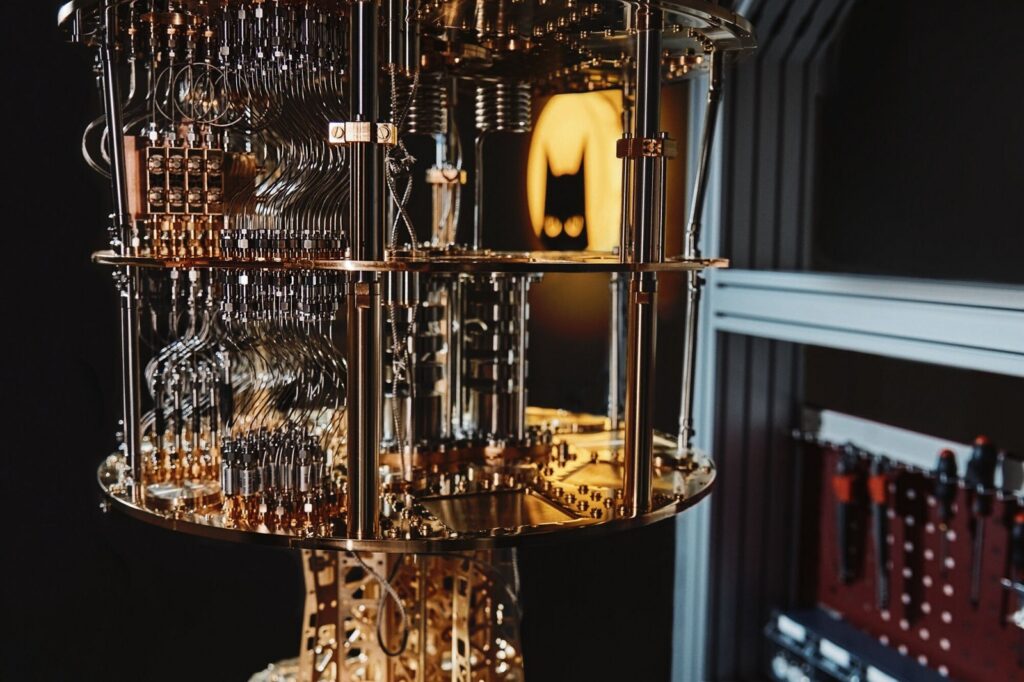
IBM plans to use an error-correction code that requires a specific number of hardware qubits connected in a specific geometry, along with additional hardware qubits needed to perform operations. This code geometry is critical in reducing errors and ensuring the reliability of the dual-processor system. The company’s quantum processors are made up of superconducting transmon qubits, located in dilution refrigerators at the Thomas J. Watson Research Center. Understanding the physics of these qubits and their behavior is essential in developing effective error-correction codes.
Low-Latency Quantum-Classical Execution
To deliver reliable dual-processor systems, IBM must also achieve low-latency quantum-classical execution with high-performance computing (HPC) systems. The company has launched a co-design platform for quantum error correction with Oak Ridge National Laboratory (ORNL) and AMD, which pairs IBM Quantum Nighthawk r2 processors with ORNL’s Umbra High-Performance Computing system. This platform enables researchers to develop and validate quantum algorithms, workflows, and applications for hybrid HPC-quantum computing environments.
Enterprise Deployment Outlook
The 2027 deployment window for IBM’s dual-processor quantum system is ambitious, and the company must overcome significant technical challenges to achieve this goal. As ever, the detail that matters is under the hood, where the technical reality of scaling quantum architecture, error correction, and low-latency execution will determine the success of the system. With the right architecture and technology in place, IBM’s dual-processor quantum system has the potential to deliver reliable and high-performance computing capabilities to enterprises, paving the way for widespread adoption of quantum computing. IBM aims to make error-corrected quantum computers before the decade is out, and the 2027 deployment of its dual-processor system is a critical milestone in this journey, with the company set to offer access to the system next year.
Sources
- IBM to offer access to a dual-processor quantum system in 2027
- IBM Quantum Platform
- ORNL, IBM, AMD launch co-design platform for QEC | IBM Quantum Computing Blog
- IBM’s most advanced quantum computer unveiled at UChicago’s Hyde Park Labs
- IBM Unveils Company's 1st Quantum Computer In Illinois At Hyde Park Labs
- IBM Deploys First Quantum Computer in Illinois with Quantum System Two
Photo: Nilhope (CC BY-SA 4.0)