A judge in Norfolk, Virginia, ruled in June 2024 that pulling location data from the city’s 172 Flock license plate cameras counted as a search under the Fourth Amendment. Data gathered without a warrant, he said, cannot be used as evidence in a criminal case.
The ruling likened plate-reader databases to tracking devices, which police were already barred from using without a warrant under United States v. Jones. Communities that already had doubts about Flock Safety started pushing back harder.
What the cameras do
Flock Group Inc. is a privately held American company that makes automated license plate readers, video surveillance, gunfire locators and software that ties the data together. Georgia Tech alumni Garrett Langley, Paige Todd and Matt Feury founded it in 2017. The first cameras were built by hand around Langley’s dining room table. When a DeKalb County detective told Langley the camera had helped solve a home break-in, he called the other two and told them to quit their jobs.
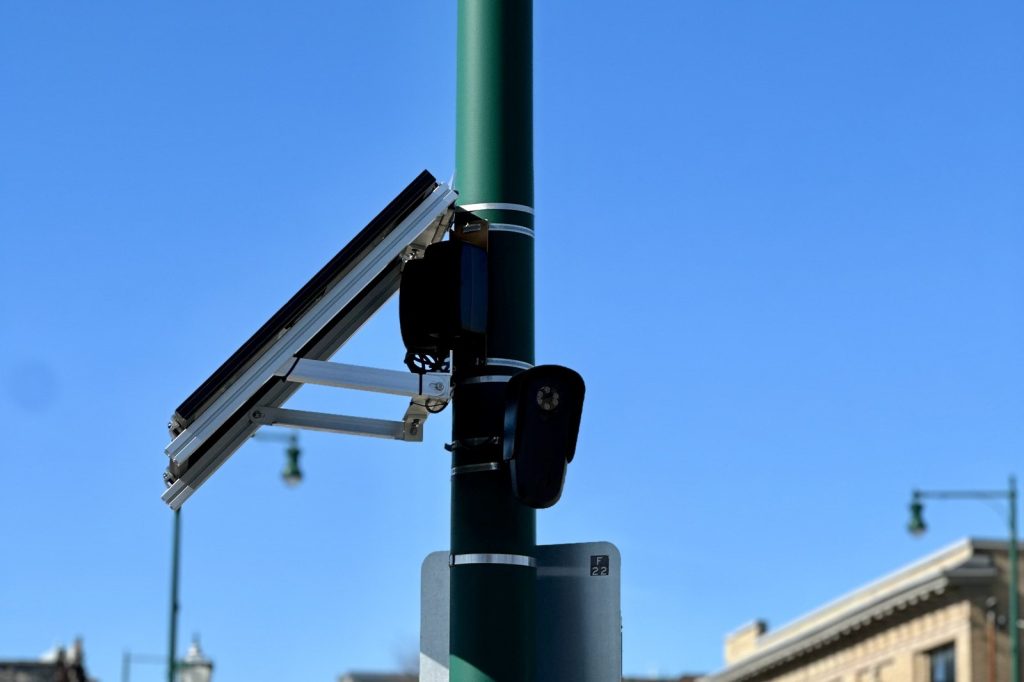
Under the hood, the readers photograph the rear of every passing car and use computer vision to pick out the plate and other features. Flock calls the result a “vehicle fingerprint.” Each scan goes by cellular link to Flock’s servers, which log it with the time and place and check it against the National Crime Information Center and police watchlists. A match alerts nearby officers.
The company says its network handles more than 20 billion vehicle scans a month. The ACLU counts more than 120,000 of its readers nationwide.
Lawsuits and criticism
On April 2, 2026, five California shoppers filed a class action against Home Depot in Sacramento County Superior Court, Schmierer v. Home Depot U.S.A., Inc. The complaint says the retailer put Flock cameras in all 233 of its California stores without proper notice. It also alleges that the ATF, ICE and Air Force installations can reach the plate data. Home Depot has said publicly that it “doesn’t share license plate data with federal law enforcement.” The plaintiffs want $2,500 each in statutory damages, deletion of the data and independent audits. Home Depot had not responded publicly to the suit at the time it was reported.
The Electronic Frontier Foundation, for its part, found that more than 50 agencies ran hundreds of searches tied to protest activity in an analysis of 12 million Flock search records.
In August 2026, Flock announced changes. It will cut its standard data retention from one month to one week and offer an “Evidence Mode” that preserves data tied to a case number. It also promised more local control over who can search a city’s cameras, and said every search will now need a case code. The ACLU was unimpressed. In its response, it said Flock has tried similar limits before and that officers got around them, in one case by typing “hehehe” as a search reason. The group also said no one has independently tested Flock’s audit tool. “This is hardly the step forward Flock wants us to think it is,” the ACLU wrote.
Flock markets its devices to police, homeowner associations and similar community groups as crime-fighting tools. Critics call the network mass surveillance. Its effectiveness and its effect on civil liberties are still being argued over, in public and in court.
Sources
- Flock Safety – Wikipedia
- Flock's Cameras Remain Civil Liberties Threat Despite Updates
- Home Depot Put License Plate Readers in All 233 California Stores