The first Flock cameras were built by hand around Garrett Langley’s dining room table. Today the company’s license plate readers sit in all 50 US states and log more than 20 billion vehicle scans every month.
Flock Safety was founded in 2017 by three Georgia Tech alumni, Langley, Paige Todd and Matt Feury. It began as a side project. Then a DeKalb County detective told Langley the camera had helped solve a home break-in, and Langley called his two partners and told them to quit their jobs. The trio joined the Summer 2017 batch of Y Combinator.
By 2024, its fixed cameras stood in more than 4,000 cities across 42 states, and the company had over 900 employees by April of that year. In October 2024 it bought Aerodome, a maker of drones for law enforcement, and said it would sell its own drones.
What the cameras do
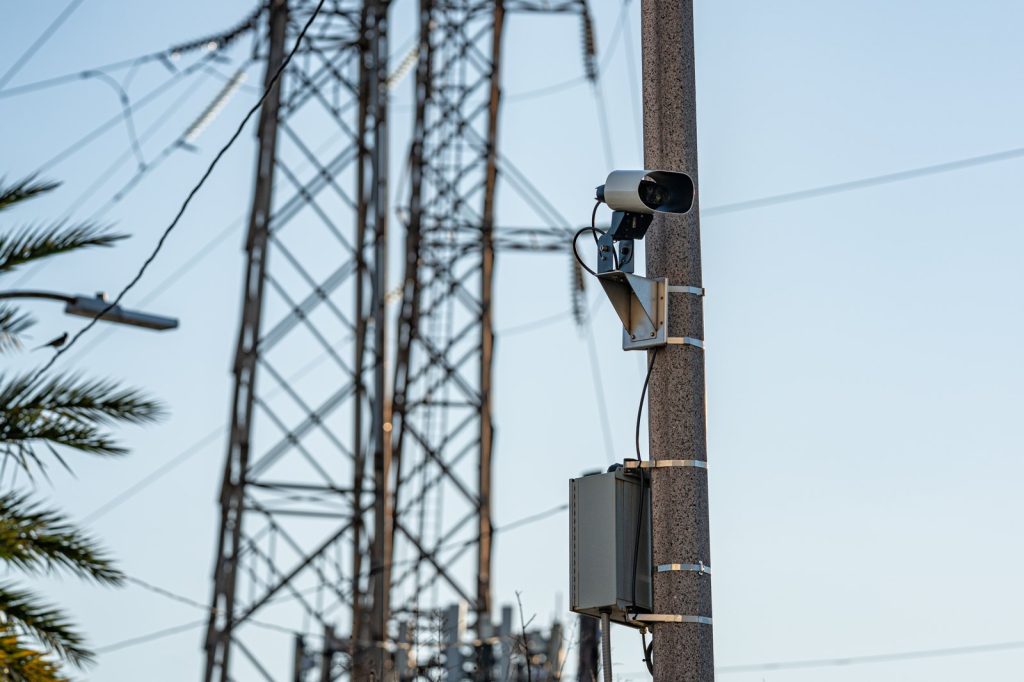
The Falcon and Sparrow readers photograph the rear of every passing vehicle. Computer vision reads the plate and picks out other features, and the data goes over an LTE cellular link to a central server. There it is logged with the time and location, then checked against the National Crime Information Center and state and local police watchlists. A match alerts nearby officers at once.
Flock calls the feature “vehicle fingerprint technology”. By its account, the system can tell make, model and color, and can spot mismatched colors, bumper stickers, dents and temporary plates. Police can search recorded vehicles on those details.
Customers include law enforcement agencies, neighborhood associations and private property owners. Flock owns the devices and leases them out.
The Norfolk ruling
In June 2024 a Norfolk, Virginia, Circuit Court judge ruled that collecting location data from the city’s 172 Flock cameras is a search under the Fourth Amendment. Evidence gathered that way without a warrant cannot be used in a criminal case. The ruling compared the plate databases to tracking devices, which police were already barred from using without a warrant under United States v. Jones.
After the decision, the company began to hear more objections from communities worried about the legality of its operation.
Ring, Nova and FreeForm
In October 2025 Flock announced a deal with Amazon’s Ring that would let residents share camera video with public safety agencies in legal investigations. Scrutiny followed an Amazon ad during Super Bowl LX that showed Ring’s “Search Party” pet-finding feature boosted by AI surveillance. The two companies jointly decided to cancel the integration.
Other products have drawn fire too. Flock says its readers “focus on vehicles, not people”. But public records requests show police using its FreeForm search tool to look for individuals by race, gender, clothing, height, tattoos and perceived political affiliation. The Electronic Frontier Foundation called a data product named Nova, which was in early access in May 2025, a “dystopian panopticon”. After 404 Media reported on it, Flock dropped data-breach information from Nova.
Critics describe the network as mass surveillance. Its effects on privacy and civil liberties are now the subject of public scrutiny, debate and litigation.
In October 2026, Flock said it had cut its staff by 18 percent, around 270 people, after a voluntary buyout program.