
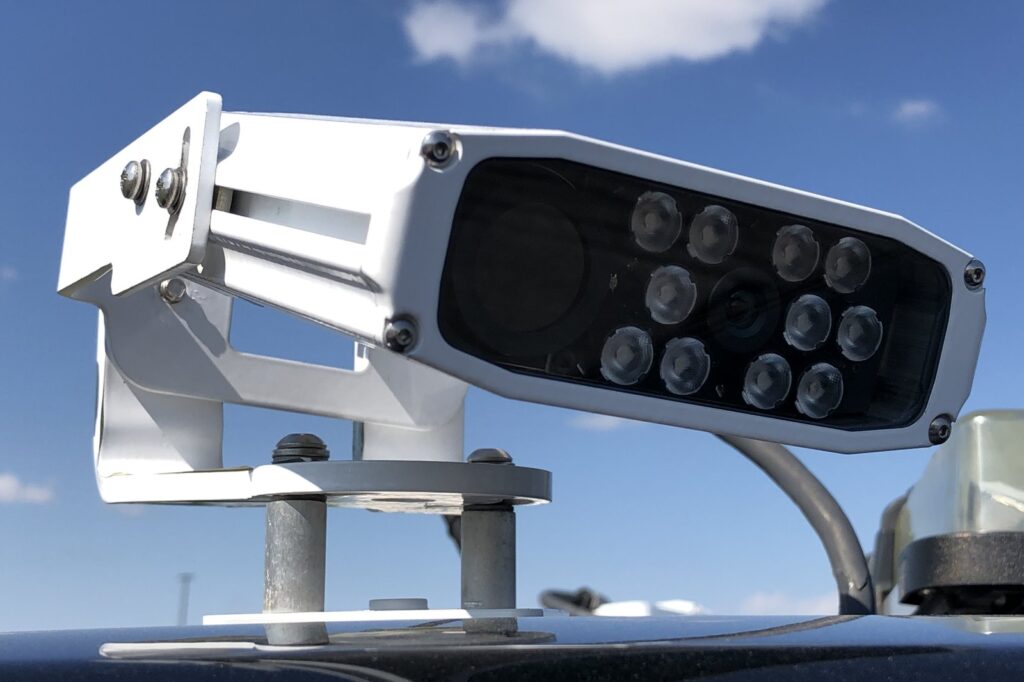
A camera snaps a car, software reads the plate, and a database notes where the vehicle was and when. That is automatic number-plate recognition, or ANPR, and most drivers have no idea how often it happens to them.
Police forces around the world use it to check whether a vehicle is registered or licensed. Highways agencies use it to catalogue traffic movements, and pay-per-use roads use it for electronic toll collection. The cameras can be existing CCTV or road-rule enforcement units, or ones built for the job. Some systems use infrared lighting so they can shoot at any hour. Many store the image as well as the text, and some can be set to photograph the driver.
From a British lab to the roadside
The Police Scientific Development Branch in Britain invented ANPR in 1976. Prototypes worked by 1979. Contracts for industrial systems went first to EMI Electronics and then to Computer Recognition Systems, now part of Jenoptik, in Wokingham. Trials ran on the A1 and at the Dartford Tunnel, and the first arrest through detection of a stolen car came in 1981.
Wide use took longer. Cheaper, easier software arrived in the 1990s and the technology spread from there. By the early 2000s, police were documented keeping plate data for later, to solve crimes nobody had yet identified.
In November 2005, ANPR helped locate and convict the killers of Sharon Beshenivsky in Bradford. It was the first documented case of the technology helping to solve a murder.
How a read happens
The software runs on standard home computer hardware and can link to other databases. It first detects, normalises and sharpens the image of the plate, then uses optical character recognition to pull out the letters and numbers.
There are two basic set-ups. One does the whole job at the roadside in real time. The other sends images from many lanes to a remote computer, which does the character reading later. The London congestion charge project is an example of the second kind, with large numbers of PCs in a server farm handling the load.
Plates differ from place to place, and the systems have to cope with that.
The privacy objection
ANPR has drawn concern over government tracking of citizens’ movements, misidentification, high error rates and rising public spending. Critics call it a form of mass surveillance.
The technology also goes by other names: automatic license-plate recognition, license-plate recognition and vehicle license-plate recognition among them.




