
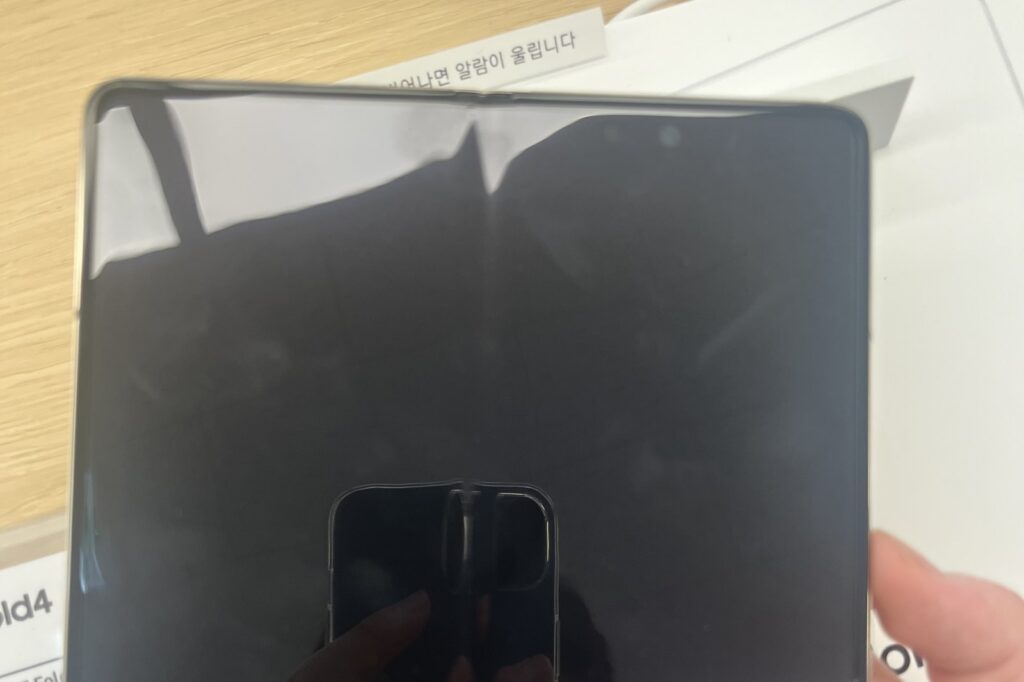
Apple opened preorders for the iPhone Duo at 8 a.m. Eastern on October 16, 2026, pricing the base 256 GB model at $1,999, and watched the entire first allocation sell out within minutes. As ever, under the hood of this retail frenzy lies a set of stubborn engineering hurdles that manufacturers must clear before flexible phones move past the early adopter crowd.
The Physics of Plastic and Glass
Foldable smartphones typically use flexible, plastic OLED displays rather than glass, according to Wikipedia. Plastic displays are naturally capable of sustaining the required bend radius for a foldable smartphone, but they are more susceptible to blemishes and scratches than traditional glass smartphone displays.
The technical reality of materials science has long frustrated display engineers. Corning produces a flexible glass product known as Willow Glass, but the company states that its manufacturing process requires the use of a salt solution, which makes it unsuitable for electronic displays because the salt can damage the transistors used in OLED panels, which are built directly on the panel, according to Wikipedia. Although Corning noted in March 2019 that it was in the process of developing a flexible glass suitable for smartphones, measuring 1 mm thick with a 5 mm bend radius, manufacturers have relied on creative layering. Samsung, for instance, marketed its Galaxy Z Flip as featuring 30 μm-thick ultra-thin glass with a plastic layer, according to Wikipedia.
Hinges, Bulk, and First-Generation Gimmicks
First-generation hinges and folding screens carry durability concerns that manufacturers are actively addressing, according to S1. When the first mass-market foldable, the Samsung Galaxy Fold, was released in 2019, the hardware was largely regarded as a gimmick plagued by high prices and fragile mechanics, according to Wikipedia. By 2023, only around 1% of worldwide smartphone ownership consisted of foldable smartphones, according to Wikipedia.
Improvements in physical technology have led to improved durability and usability of foldables by 2026, turning book-style foldables and tri-folds into practical alternatives to the standard slate form factor, according to Wikipedia. Modern engineering has slashed excess weight from the chassis.
Scaling Production and Consumer Expectations
Apple’s entry into the category tests whether supply chains can scale to meet broader consumer demand. The iPhone Duo features a 5.4-inch front screen that opens into a 7.6-inch inner display, starting well above the $1,199 price tag of the iPhone 18 Pro, according to S1. Analyst Max Weinbach noted the swift depletion of inventory across the New York City and Connecticut areas, while Yorkville Ives analyst Dan Ives projects about 10 million Duos sold over the next few quarters, according to S1.
As the category matures, consumers increasingly expect the rest of the experience to match the premium price, prompting manufacturers to integrate high-end components such as the 200MP camera found on the Galaxy Z Fold8 Ultra, according to Samsung Newsroom Malaysia. Whether buyers are willing to accept the enduring physical compromises of folding screens for everyday tasks remains the defining question for hardware makers as production scales through 2026.
Structural Layouts and Form Factor Evolution
Beyond the choice of display materials, the physical configuration of foldable smartphones has evolved to offer diverse user experiences. While early designs prioritized simple folding mechanisms, manufacturers have since explored various structural layouts to maximize utility. Devices may fold horizontally on a vertical hinge into a wider, tablet-like form, often utilizing an inward-folding booklet-style design. This configuration typically includes a smaller exterior screen, allowing users to interact with the device without needing to open it fully.
Alternative designs have also emerged to address specific usability needs. Some early devices, such as the Huawei Mate X, utilized an outward-folding design where a single display wrapped around to the back of the device when closed. More recently, the industry has seen the emergence of tri-fold devices. These units contain two hinges rather than one, allowing for significantly greater interior display sizes compared to standard foldable models. Additionally, manufacturers have produced clamshell form factors, which fold vertically on a horizontal hinge. These varied layouts represent the industry’s ongoing effort to move past the early “gimmick” phase and establish foldables as practical alternatives to the standard slate form factor, according to Wikipedia.
Hinge Mechanisms and Durability Risks in Early Folding Screens
First-generation hinges and folding screens carry durability concerns that manufacturers are actively addressing, according to S1. When the first mass-market foldable, the Samsung Galaxy Fold, was released in 2019, the hardware was largely regarded as a gimmick plagued by high prices and fragile mechanics, according to Wikipedia. These early devices faced significant challenges related to hinge longevity and screen integrity under repeated folding stress.
Improvements in physical technology have led to improved durability and usability of foldables by 2026, turning book-style foldables and tri-folds into practical alternatives to the standard slate form factor, according to Wikipedia. However, the initial durability risks associated with first-generation hinge designs—such as debris ingress, crease formation, and mechanical wear—remained a critical barrier to widespread adoption until engineering refinements mitigated these issues over subsequent generations.
Revenue Backlogs and Earnings Implications
The immediate sellout of the iPhone Duo has created a logistical backlog that extends delivery dates into late January, pushing a portion of the anticipated revenue out of the holiday quarter and into the March quarter. This timing shift means one earnings report may appear soft while the next looks strong, even if underlying demand remains constant, according to S1. Apple’s site directs shoppers to check back on October 24 for store availability, though the company has not confirmed whether stores will have walk-in stock on launch day.
Financial analysts are watching these shifts closely. Dan Ives of Yorkville Ives projects about 10 million Duos sold over the next few quarters, with potential sales reaching up to 25 million in 2027, according to S1. Meanwhile, Apple’s stock rose 0.43% to close at $343.46 during a broad tech selloff, giving the company a market value of $5.01 trillion, according to S1. The intraday high of $347.82 remained below the $348.15 peak set on October 13, indicating that the stock did not set a new record despite the strong product launch, according to S1.
Sources
- Apple's $1,999 Foldable iPhone Sold Out in Minutes. Deliveries Now Slip to January
- Foldable smartphone
- Team Galaxy Answers Foldable Questions ②: There’s So Much More to the Fold – Samsung Newsroom Malaysia
Photo: Hajoon0102 (CC BY-SA 4.0)




