
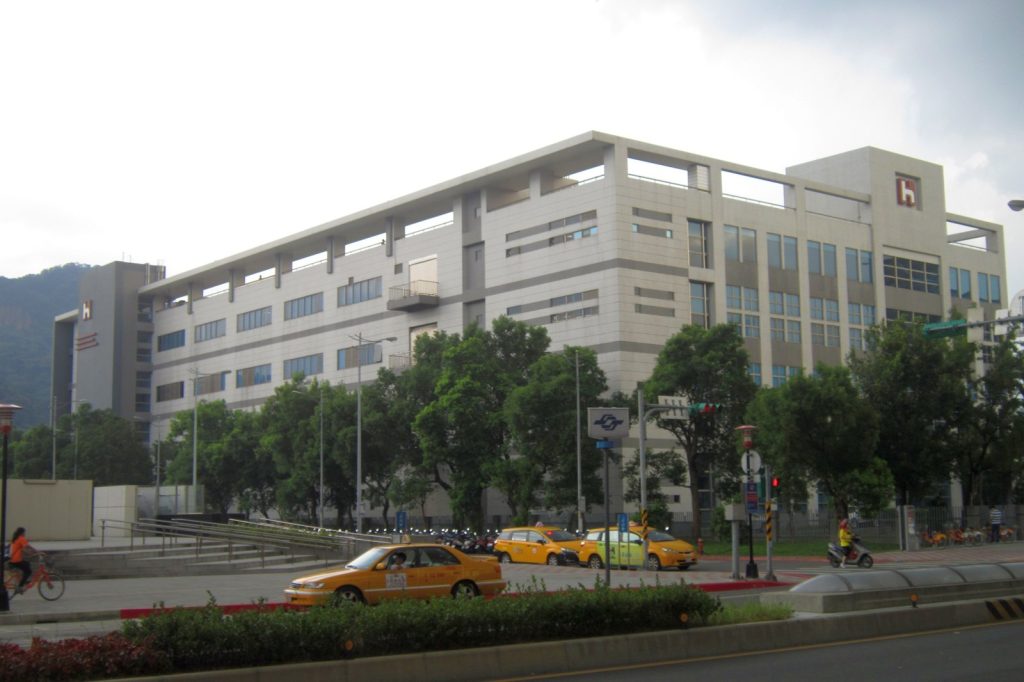
After being outbid in a February auction for SilTerra Malaysia Sdn Bhd, Taiwan’s Foxconn Technology Group has entered talks to acquire a non‑controlling interest in Malaysian chipmaker Dagang Nexchange Bhd (DNeX). Sources close to the negotiations said on 1 June that Hon Hai Precision Industry Co., the listed arm of Foxconn, is seeking silicon capacity to support Apple and upcoming electric‑vehicle (EV) customers, while DNeX is looking for funding to modernise SilTerra’s eight‑inch wafer lines.
The proposed deal would involve Foxconn subscribing to a private placement of up to 30 percent of DNeX shares, a move approved by DNeX shareholders on 20 May. No price or closing timetable has been disclosed, and either party may still walk away.
“They want a foot in the door, not control,” one insider, who asked to remain unnamed, said. DNeX confirmed it is “open to strategic partners” but did not name Foxconn. SilTerra’s fab, located in Kulim Hi‑Tech Park, currently produces around 40,000 eight‑inch wafers each month on process nodes ranging from 180 nm to 110 nm—technology that is in high demand for power‑management and automotive chips.
The ownership structure of SilTerra adds a geopolitical layer to the talks. A Beijing‑backed fund already holds roughly 40 percent of the plant, and U.S. officials have urged allies to keep such capacity outside Chinese state control.
Adding a Taiwanese shareholder would dilute the Chinese stake, offering Malaysia a way to balance foreign investment without provoking Beijing, its largest trading partner. “Malaysia needs the technology; it does not need another Chinese veto,” said Murray Hiebert, senior associate at the Center for Strategic and International Studies. Bloomberg reported on 31 May that DNeX shares jumped 13.6 percent in a single session, the sharpest rise since April, pushing the market value to about US $474 million.
Trading volume spiked to five times the monthly average as local funds entered the market. Maybank Investment Bank raised its sum‑of‑parts target price to RM 1.05, citing a “potential Foxconn premium,” while warning that the transaction could still fall through.
Retail investors also surged, driving daily turnover above 200 million shares—the highest in the company’s 19‑year listed history. The prospective partnership aligns with Foxconn’s “3+3” strategy, which seeks to broaden the group beyond iPhone assembly into EVs, digital health and robotics—sectors that require custom silicon. Since October, Foxconn has unveiled an open EV platform, signed vehicle agreements with Fisker, Stellantis and China’s Geely, and earmarked US $36 billion for chip development through 2025.
Securing a slice of SilTerra would give the Taiwanese firm reliable access to mature‑node wafers without the political scrutiny that derailed its earlier bid for a stake in mainland foundry Semiconductor Manufacturing International Corp. At Foxconn’s annual general meeting on 31 May, chairman Young Liu reiterated the company’s intention to build a “supply chain we can trust,” describing Malaysia as “a natural partner” because of its neutral position in the U.S.–China technology rivalry. Any acquisition exceeding 5 percent in a strategic sector requires approval from Malaysian regulators.
The Ministry of International Trade and Industry is reviewing the share‑placement plan and seeks assurances that Foxconn will retain R&D jobs in Kulim and share packaging expertise with local universities. Meanwhile, China’s embassy in Kuala Lumpur has privately reminded officials that Beijing remains SilTerra’s largest single customer, purchasing wafers for domestic smart‑card manufacturers. Minister Mohamed Azmin Ali told parliament on 31 May, “We welcome investment from all quarters, but national interest comes first,” without naming the parties involved.
If the deal closes, Foxconn would obtain a steady source of mature‑node wafers insulated from Beijing’s export controls, while DNeX would gain capital and technical know‑how to advance SilTerra toward 90 nm and eventually 65 nm processes. A failure, however, could leave Foxconn scrambling for capacity as EV orders rise and could deepen Malaysia’s reliance on Chinese partners.
Market participants are now monitoring every filing, awaiting the next disclosure that will determine whether Malaysia’s most sensitive fab remains a three‑way tug‑of‑war or tips decisively toward Taipei.




