“We’ll be accelerating our global footprint,” GlobalFoundries chief executive Tom Caulfield told reporters on Tuesday, June 22, 2021. The numbers behind that line: $6 billion in expansion, and $4 billion of it going into a new chip plant in Singapore.
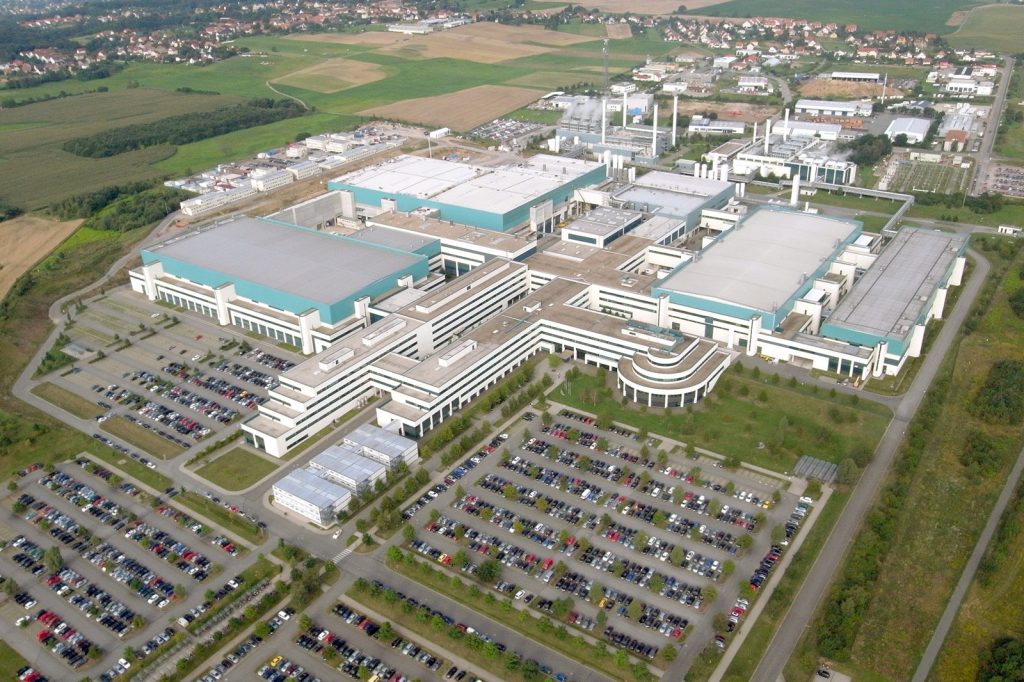
The Singapore factory is due to start up in 2023. GlobalFoundries will also put $1 billion each into its sites in Dresden, Germany, and in the United States. Caulfield said most of the money will come from customers’ pre-payments for capacity and from government partnerships.
Why Singapore first? Caulfield said it is where the company’s capacity is stretched thinnest. The plant, a few generations behind the cutting edge, should mainly serve smartphone and car makers. It also lands as the industry scrambles to ease a shortfall of chips for everything from cars to phones. Chip plants typically begin production 18 months to two years after breaking ground.
Asia, despite Washington’s push
The choice runs against the Biden administration’s calls to bring chipmaking home. The administration is proposing $52 billion to fund chip production and research in the United States. Taiwan Semiconductor Manufacturing and Samsung Electronics are also adding capacity, and GlobalFoundries already sits alongside Micron Technology and Infineon Technologies as a big investor in Singapore.
Caulfield framed the spread of sites as protection. “We have certain products for customers,” he said, where once a design is finished “we can build in factories continents away. That gives us ultimate supply chain flexibility and security.”
He was blunt about the risk of concentration. About “70% of all foundry manufacturing takes place in Taiwan, a couple of hundred miles away from China, from one company,” he said. “It’s put a huge risk to the world economy.”
GlobalFoundries, controlled by Abu Dhabi’s sovereign fund Mubadala Investment Co., was at the time preparing a US initial public offering that could value it at $30 billion.