
It’s been about 11 years since HSBC was caught running tax-evasion accounts for thousands of wealthy clients through its Swiss subsidiary, HSBC Private Bank (Suisse). This scandal, which came to light in February 2015, was triggered by leaked information from French computer analyst Hervé Falciani, who revealed that HSBC had helped over 100,000 clients and 20,000 offshore companies evade taxes. According to Wikipedia, this leak was dubbed “the biggest leak in Swiss banking history” and exposed a giant tax evasion scheme allegedly operated with the knowledge and encouragement of HSBC.
As reported in the Wikipedia article on Swiss Leaks, the investigation found that HSBC had been helping its wealthy clients hide their assets and income from tax authorities, using complex financial structures and secretive banking practices. This scheme allowed clients to evade taxes on a massive scale, depriving governments of much-needed revenue. The leak of this information sparked widespread outrage and led to calls for greater transparency and accountability in the banking sector.
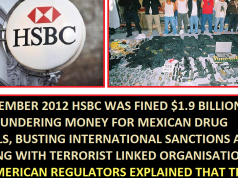
HSBC ultimately faced significant penalties for its role in the tax evasion scheme. While the exact amount of the fines is not specified in the Wikipedia article, it is reported that the bank paid hundreds of millions of dollars in fines across multiple jurisdictions. Additionally, HSBC entered into deferred-prosecution agreements and was subject to monitoring by regulatory authorities. These measures were intended to ensure that the bank would reform its practices and prevent similar scandals in the future.
In the aftermath of the scandal, HSBC promised to implement significant reforms to prevent similar abuses in the future. The bank invested heavily in compliance and risk management, hiring new staff and implementing new procedures to detect and prevent tax evasion. HSBC also argued that it had taken steps to address the weaknesses in its controls that had allowed the tax evasion scheme to occur. However, critics argued that these measures did not go far enough, and that the bank’s culture and practices remained overly focused on generating profits, regardless of the consequences.
So, what has actually changed since the scandal? While HSBC has undoubtedly made significant investments in compliance and risk management, it is difficult to say whether these changes have been sufficient to prevent similar scandals in the future. The bank’s arguments that it has reformed its practices and is now committed to transparency and accountability are certainly plausible, but they must be viewed with a healthy dose of skepticism. After all, the scandal itself was a result of a culture and practices that prioritized profits over compliance and ethics.
According to Wikipedia, the historical record of the Swiss Leaks scandal serves as a reminder of the need for greater transparency and accountability in the banking sector. The scandal highlights the risks of secretive banking practices and the importance of robust regulation and oversight. It also underscores the need for banks to prioritize ethics and compliance, rather than simply generating profits. As we look back on this scandal, it is clear that it deserves to be remembered as a cautionary tale about the dangers of unchecked greed and the importance of holding powerful institutions accountable for their actions.
As we reflect on the legacy of the Swiss Leaks scandal, it is worth noting that the incident has had a lasting impact on the banking sector. The scandal led to increased calls for transparency and accountability, and it prompted regulators to take a closer look at the practices of banks and other financial institutions. It also led to changes in the way that banks operate, with many institutions implementing new procedures and controls to detect and prevent tax evasion. While there is still much work to be done, the Swiss Leaks scandal has undoubtedly played an important role in shaping the banking sector into what it is today.
In conclusion, the Swiss Leaks scandal was a significant event that highlighted the need for greater transparency and accountability in the banking sector. The scandal itself was a result of a culture and practices that prioritized profits over compliance and ethics, and it led to significant penalties and reforms. While HSBC has made efforts to reform its practices and prevent similar scandals in the future, it is difficult to say whether these changes have been sufficient. As we look back on this scandal, it is clear that it deserves to be remembered as a cautionary tale about the dangers of unchecked greed and the importance of holding powerful institutions accountable for their actions.
The historical record of the Swiss Leaks scandal, as documented on Wikipedia, serves as a reminder of the importance of robust regulation and oversight in the banking sector. It highlights the risks of secretive banking practices and the need for banks to prioritize ethics and compliance. As we move forward, it is essential that we remember the lessons of this scandal and continue to push for greater transparency and accountability in the banking sector. By doing so, we can help to prevent similar scandals in the future and ensure that banks operate in a way that is fair, transparent, and accountable to all.