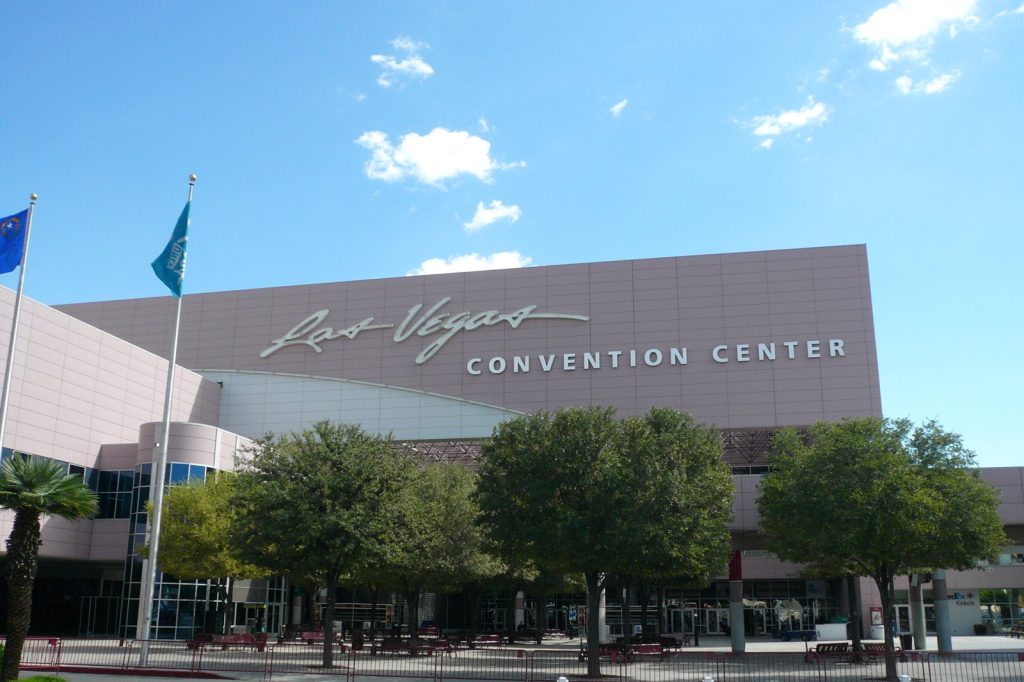
Think of a trade show as a very large job interview: exhibitors audition their products, and buyers decide who gets a callback. By that measure, InfoComm India 2026 went well for the sellers. The twelfth edition ran from 16 to 18 September at the Jio World Convention Centre in Mumbai and drew 13,275 business attendees, up 5.3 percent on 2025, from 49 countries. A year earlier the country count was 36.
Who showed up, and with what money
Here is what that means in plain terms. The crowd was senior and had cash. Nearly two-thirds of attendees came from the AV channel, and one in three was a technology end user. Close to four in ten held owner, C-suite, director or head-of-function roles. About 54 percent arrived with an approved AV budget for the next 12 to 18 months, and 80 percent could influence, specify or decide on purchases. Some 23 percent held budgets above US$250,000, and 9 percent above US$1 million.
Reliance sent an 85-strong delegation, mostly registered as end users. Buying teams also came from Godrej & Boyce, the Tata group, Mahindra, Larsen & Toubro and Adani, alongside public bodies including ONGC, ISRO, RBI, DRDO and AIIMS. A curated Invited Guest Program brought 75 pre-qualified senior buyers representing about US$328.5 million in declared live project budgets, and they held 824 prescheduled one-to-one meetings with exhibitors.
Sarah Joyce, AVIXA’s Chief Global Officer, said what stood out was the calibre of buyers: “senior, budget-ready and here to build.”
On the floor
The show took 17 percent more exhibition space than in 2025, across three levels of the venue. AI was the theme. More than one in ten products on display had embedded AI, from AI-powered cameras to intelligent audio and predictive AV management, running live rather than in slides. The organisers put India’s Pro AV market on a US$14 billion trajectory by 2030. More than 130 products were launched, including global debuts and several Asia-first unveilings, from makers such as Samsung, Shure, Crestron, BenQ, Epson and Harman.
BenQ used the show to target a familiar office headache. In Bengaluru, Mumbai and Gurugram, meeting rooms are often booked solid, so people huddle around laptops. Rajeev Singh, BenQ’s managing director for India and South Asia, called it a space problem, not a technology problem. The company’s answer is to put the hardware in executive cabins. The BenQ Board CP5505 is a 55-inch interactive screen that folds video calling, whiteboard software and file access into one unit. It tracks the active speaker and produces transcripts and post-meeting summaries. For town halls, BenQ showed a 135-inch direct-view LED panel with 100 percent DCI-P3 colour coverage. It also previewed two desk lights, the iScreenBar for Apple iMac computers and the ScreenBar Max for dual, vertical or curved monitor setups, both aimed at glare and eye strain.
Summit and what exhibitors said
The InfoComm India Summit ran 43 sessions across 12 tracks with 102 speakers, and average session attendance rose 25 percent year on year. Attendees could sit AVIXA certification exams on-site for the first time. Steven Medeiros, CEO of Vega, said India is “mission-critical” to the company’s expansion, with operations in three cities and two more planned within six months.
The next edition returns to the same Mumbai venue on 8 to 10 September 2027.
Sources
- BenQ Unveils New Enterprise Workplace Displays and Smart Lighting at InfoComm India 2026
- InfoComm India 2026 Delivers Its Strongest Edition Yet as Record, Budget-Ready Buyers Fill a Show Floor 17% Larger – Elets BFSI