
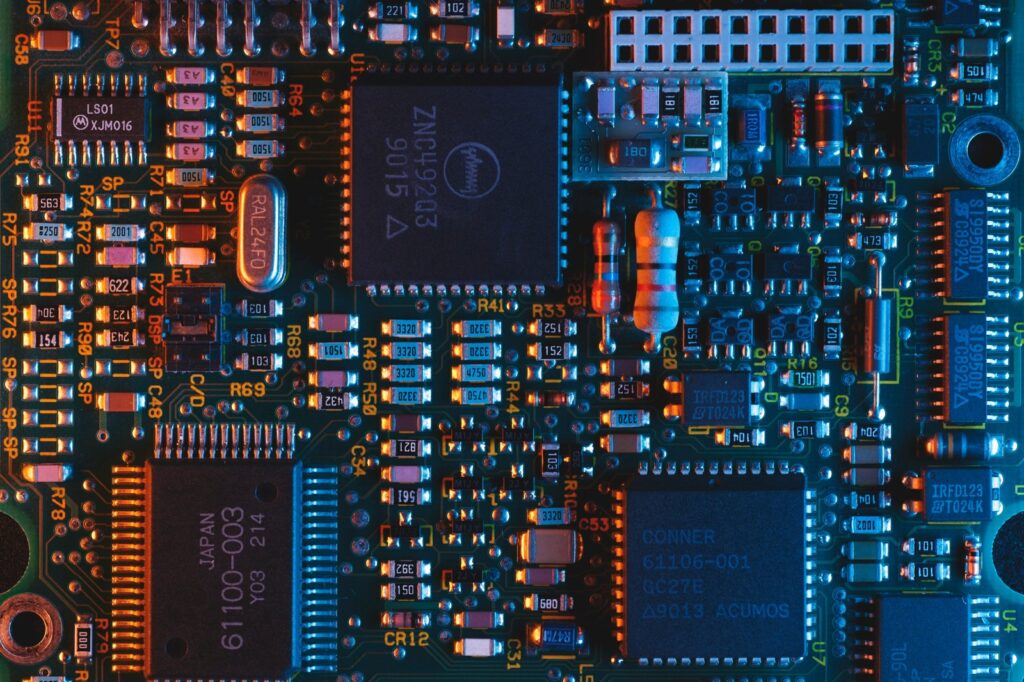
REDMOND, October 17, 2026 — Microsoft has unveiled the Maia 300, its third-generation custom AI inference chip, marking a significant strategic pivot toward proprietary silicon for its Azure cloud infrastructure. The company plans to initiate large-scale, multi-gigawatt deployments of the new hardware by 2027, aiming to establish the Maia architecture as the primary engine for its suite of AI services.
Under the Hood of the Maia 300
The technical reality of the Maia 300 lies in its shift to a sophisticated chiplet architecture. According to the Azure hardware and infrastructure team, this design separates compute, memory controller, and I/O functions. By decoupling these elements, Microsoft engineers have increased the silicon area dedicated specifically to compute performance, allowing each function to utilize the manufacturing process best suited to its role.
The chips are manufactured by Taiwan Semiconductor Manufacturing Co. (TSMC) using the N2P process node. This architectural change is intended to address the specific demands of emerging AI workloads. As Microsoft AI CEO Mustafa Suleyman noted, the company is focusing on the full stack, co-designing the silicon alongside its models to support long-context reasoning, latency-sensitive conversational experiences, and multi-step agentic tasks.
Efficiency and Throughput Gains
For a company managing the power constraints of massive data centers, the efficiency metrics are the detail that matters most. Microsoft reports that the Maia 300 is expected to deliver 40% more tokens per megawatt compared to the leading GPU-based systems currently dominating the market.
At the rack scale, the performance improvements are even more pronounced. In a 96-accelerator configuration, the Maia 300 is expected to provide up to seven times the token throughput of its predecessor, the Maia 200. While the Maia 200—which only saw its public announcement in January 2026—already delivers 1.7 times more tokens per watt than previous iterations, the 300 represents a significant leap in density and speed for the company’s cloud services.
A Strategic Shift in Infrastructure
Microsoft CEO Satya Nadella described the development as the company’s “biggest bet yet on our own silicon.” The move is designed to reduce the firm’s reliance on industry juggernaut Nvidia, which has long supplied the hardware for Microsoft’s data centers. By moving toward in-house chips, Microsoft seeks to optimize costs and power consumption as it scales its Copilot, GitHub, and Microsoft Foundry services.
However, the transition will be gradual. Evercore ISI analysts estimate that Maia will account for approximately 10% of Microsoft’s total AI chip spending by early 2027. Despite the push for internal hardware, the company maintains that it will continue to use Nvidia hardware for other cloud infrastructure needs. Nadella confirmed on a July earnings call that Microsoft intends to be among the first cloud providers to deploy next-generation systems based on Nvidia’s Vera Rubin and AMD’s Helios architectures.
The Road Ahead
The deployment of the Maia 300 is set to begin in 2027, following a period where the Maia 200 has been progressively rolled out across the U.S., Europe, and Australia. The current generation already powers Microsoft 365 Copilot and various models from OpenAI. As ever, the financial specifics remain opaque; pricing for the Maia 300 infrastructure has not been publicly disclosed.
Microsoft intends to provide further technical details regarding the Maia platform at its Ignite conference in San Francisco next month. Whether this move allows the company to effectively compete with the integrated hardware strategies of Google and Amazon remains to be seen, but the intent to own the underlying silicon is clear. For now, the company continues to balance its partnership with Nvidia while building the internal capacity to power the next generation of conversational and agentic AI.
Sources
- Microsoft announces Maia 300, its next-generation custom AI chip – Source EMEA
- Microsoft makes ‘biggest bet yet’ on its own silicon, unveils new AI chip to reduce reliance on Nvidia
- Microsoft’s new AI chip makes it less reliant on Nvidia’s GPUs
Photo: Umberto / Unsplash (Unsplash License)




