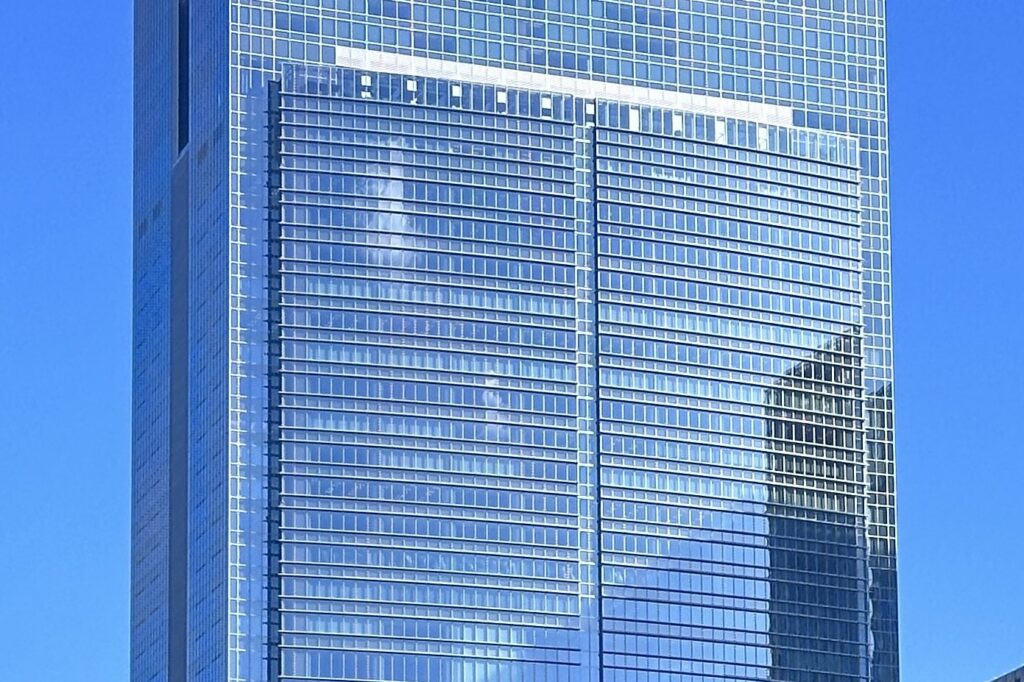
TOKYO, November 9, 2026 — Mitsui Chemicals and the Development Bank of Japan will acquire all shares of JSR from government-backed Japan Investment Corp for ¥1.84 trillion, a price Bloomberg values at about $12 billion. The deal, disclosed in a filing on Monday, creates Japan’s largest semiconductor-materials group by sales and hands Mitsui control of the world’s second-largest supplier of ArF and EUV photoresists.
Deal Structure and Financing
According to the filing, Mitsui Chemicals will fund the purchase with a ¥1.64 trillion bridge loan from its principal banks, an equity investment of up to ¥150 billion through a shelf registration effective November 17, and a ¥200 billion contribution from DBJ. DBJ’s stake will be converted into non-voting preferred shares, leaving Mitsui with 100% of voting rights. The company stated that net debt to EBITDA will temporarily exceed 4.0 times after closing, above the threshold it targets to maintain an issuer credit rating in the “A” category. Mitsui plans to refinance the bridge facility within a year, using proceeds from asset sales and up to ¥300 billion of mezzanine financing, half of which it assumes rating agencies will treat as equity.
Figures show Mitsui’s market capitalization stood at roughly ¥664.6 billion before the announcement, far smaller than the enterprise value of the transaction. The company’s shares fell as much as 15% in Tokyo trading on Monday, extending a decline that began after Reuters first reported the deal on November 4. A shelf registration for up to ¥150 billion of new common shares, with SMBC Nikko Securities and Mizuho Securities as expected lead underwriters, takes effect on November 17.
Market Concentration in Photoresists
JSR is the world’s No. 2 supplier of ArF and EUV photoresists, according to Mitsui’s investor presentation. These light-sensitive materials are essential for ASML Holding’s extreme-ultraviolet lithography machines, which pattern the finest circuits on advanced logic and memory chips. Customers include Taiwan Semiconductor Manufacturing Co., Intel, and Samsung Electronics, linking the deal directly to the leading global chip fabs. The acquisition also brings Inpria, JSR’s U.S. unit that produces EUV metal-oxide resists, under the combined entity.
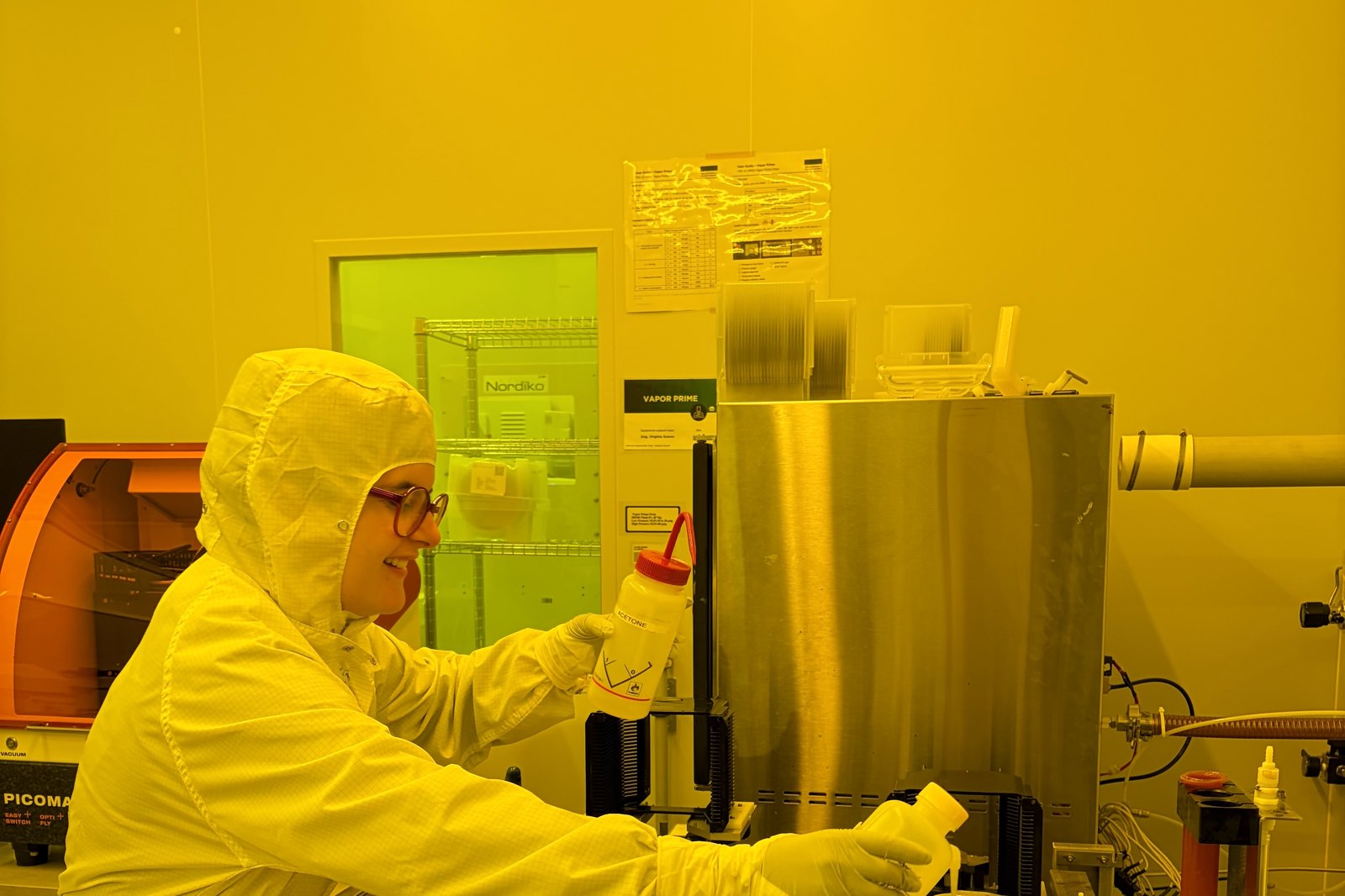
JSR’s semiconductor materials revenue rose 24% to ¥196 billion in the year to March 2026, while operating profit for its Digital Solutions segment reached ¥63.2 billion. That figure is 1.7 times the ¥36.9 billion operating income reported by Mitsui’s own ICT business for the same period. The purchase price implies a multiple of roughly 29.5 times JSR’s core operating profit of ¥62.3 billion for the fiscal year, and about 4.2 times revenue.
Japanese Industry Consolidation
The transaction advances a government-backed effort to consolidate Japan’s fragmented semiconductor-materials sector. Japan dominates global supply of silicon wafers and several other critical chip materials, but many smaller domestic suppliers remain vulnerable to foreign takeovers. Japan Investment Corp took JSR private two years ago for roughly ¥900 billion, according to Reuters. The state-backed fund now exits at a significant premium, transferring ownership to a listed chemical major while DBJ retains a financial stake through non-voting preferred shares.
Mitsui stated the combined group targets approximately ¥40 billion of incremental annual profit by fiscal year 2035 from growth and cost synergies. The company also widened the scope of businesses it is considering splitting off to include its Mobility Solutions unit. JSR plans to continue treating its contract research and contract manufacturing operations as non-core and exploring options for those assets, including its life-sciences businesses.
Supply-Chain Resilience Implications
By bringing JSR’s photoresist portfolio under a single Japanese flagship, the deal tightens domestic control over a critical choke point in the global chip supply chain. Photoresists are a fundamental constraint on the speed of advanced-node production, and any disruption to their supply affects every leading fab. The combined entity becomes Japan’s largest semiconductor-materials maker by sales, positioning it to coordinate R&D and production planning more closely with domestic equipment and substrate suppliers.
The structure mirrors a broader pattern in which state-backed institutions use equity-like instruments to anchor strategic assets while listed operators assume operational control. DBJ’s ¥200 billion preferred investment provides a capital cushion without diluting Mitsui’s voting power. Mitsui aims to complete the acquisition in the second half of the fiscal year ending March 2028, subject to competition and foreign investment approvals in Japan and overseas, with the final consideration subject to adjustments at closing.
Sources
- Mitsui Chemicals to take over chip linchpin JSR for US$12 bil
- Mitsui Chemicals Bets Big On JSR’s Chip Materials
- Mitsui Chemicals and DBJ to acquire JSR for $11.6 billion
- Mitsui Chemicals to buy chip materials maker JSR for $11 bln
- Mitsui Chemicals Pays ¥1.84T for JSR, No. 2 in Photoresists – FourWeekMBA
Photo: Akonnchiroll (CC BY-SA 4.0)