
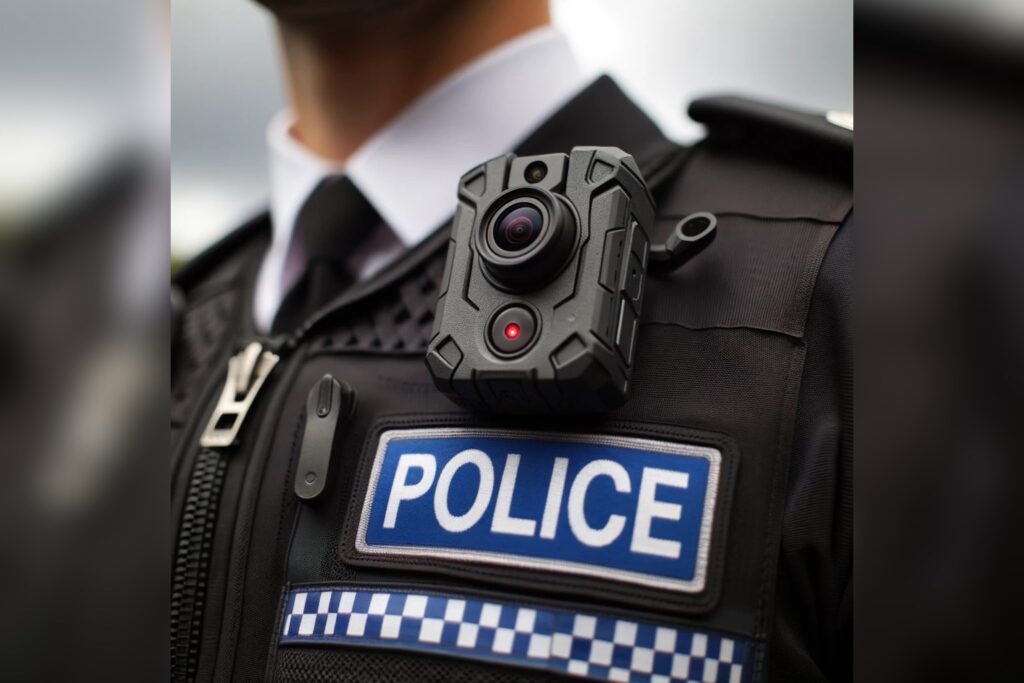
Early in 2024, the body camera left the police beat. Axon, the company better known for Tasers and police gear, rolled out a new model built for people who never carry a badge: nurses, shop assistants, the frontline staff whose jobs have grown steadily more dangerous. The device, called Axon Body Workforce, is slimmer than the black police cameras and comes in bright colors.
The spread has been gradual and then sudden. Bus drivers, paramedics and sanitation workers have all appeared wearing the cameras, Fast Company reported in February 2024, following earlier roll-outs in Australia and the United Kingdom, including at the National Health Service and the retail giant Tesco.
The pitch is mostly twofold: hold the wearer accountable, and discourage the on-the-job abuse that has surged against frontline workers since before the pandemic. Rick Smith, Axon’s chief executive and founder, said the product “marks a new chapter in body-worn cameras, built to address the workplace violence affecting frontline workers”.
Who is wearing them
Axon says that since 2020 its cameras have gone through trials at “some of the largest healthcare networks and global retailers”, among them Piedmont Healthcare in Georgia, Christus, a Catholic nonprofit chain in Texas, and Portland’s Legacy Health. Most of the wearers so far work in security; pilots now extend to clinical staff who are not guards and to shop-floor associates.
The claims made for the devices are broad: that they help reduce abuse, defuse tense situations, provide evidence to identify and prosecute assailants, protect organisations against fraudulent claims of misconduct or excessive force, and cut the cost of litigation. Whether they deliver is a harder question. Even in policing, where the cameras have been studied longest, the jury remains out on how well they work.
Mike Shore, Axon’s vice president of Enterprise, frames the camera as part of a mission to “help de-escalate unfolding threats, which may not always involve law enforcement or may unfold before a law enforcement response”. He offered one story from an in-store trial: “one retail associate experienced a shopper putting several items in their personal bag, and when the associate noted they were wearing a camera the shopper placed the items back in the store and left.” No arrest, no report. The camera did the work simply by being noticed.
For Axon, once known simply as Taser, the enterprise push extends a futuristic vision: technologies that cut police paperwork, reduce shootings, and defuse confrontations before the police are ever called. The hospital ward and the shop floor are simply the next frontiers.




