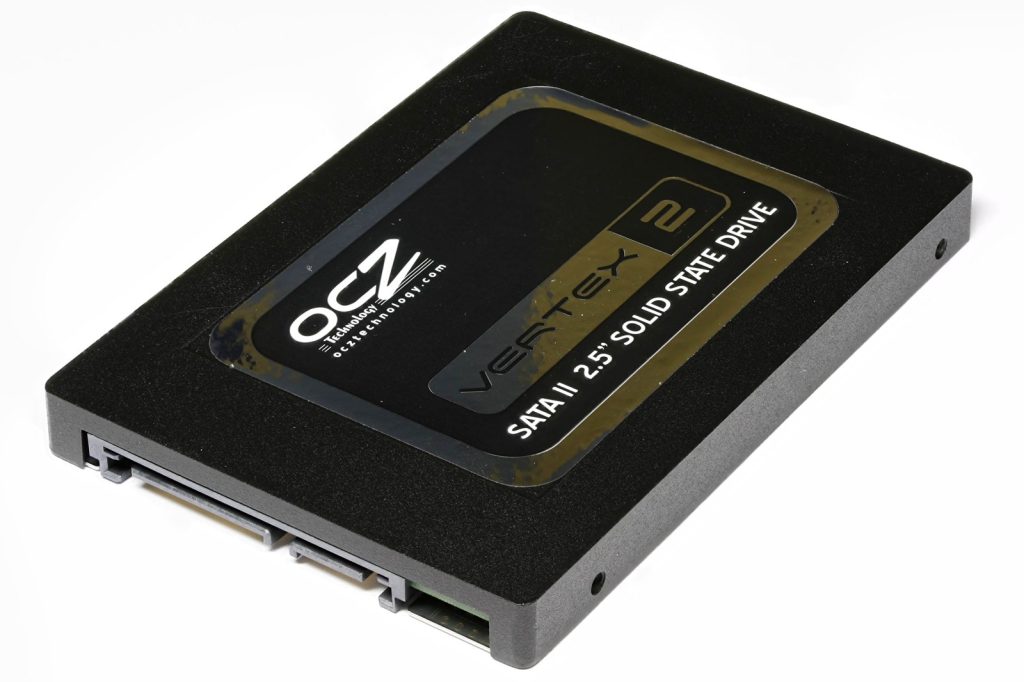
Closer to home, the most useful computer upgrade of the past decade has been hiding in a drive bay. For families across the region still coaxing life out of an ageing desktop, the 2.5-inch solid-state drive has been the budget fix that worked, the one part that turned a machine everybody had given up on into something the household could keep using. The reason it spread so far is simple. As Tom’s Hardware puts it, “the majority of desktops and many laptops support 2.5-inch SATA drives”.
The form factor did the quiet work. The same review notes that “most SATA drives are 2.5-inch models, which allows them to drop into the same bays that hold laptop hard drives”, so the swap needed no adapter and no special tools. SATA is the slowest of today’s storage options. It is also the cheapest, which is the whole point. The last quality holdout, the Samsung 870 EVO, still comes in 250GB to 4TB capacities, reads at 560 MB/s, writes at 530 MB/s, and carries a five-year warranty with endurance rated up to 2,400TBW.
What it means for people shopping now is a thinner shelf. Crucial has stopped making its MX500, once the default recommendation, and other manufacturers have traded away their DRAM cache, with the WD Blue SA510 named as the most prominent example. “The vast majority of SATA SSDs out there are DRAM-less nowadays”, the review finds: cheaper, often good enough for a basic revival, but no longer built to the old standard. As the same testing desk sums it up, “your options are vanishingly few if you’re looking for a quality drive”.
The deeper worry is the price of flash itself. Reporting at Igor’s Lab, drawing on Asian supply-chain reports, says Samsung pushed its NAND contract prices up by more than 100 percent for the first quarter of 2026, with long-term contracts already signed with Apple, NVIDIA and AMD. A TrendForce forecast cited in the same report sees client SSD prices rising above 40% in that quarter as capacity shifts to higher-margin segments, and Kioxia says its entire 2026 NAND output is already sold out. At retail, “NVMe SSDs have become around 18 percent more expensive on average since October 2025”, and that is before the new contracts have fully landed. The cause, in the report’s framing, is not underproduction but redistribution: artificial intelligence is sucking existing supply chains dry, and consumer products are losing priority.
For communities that stretch one machine across school, work and entertainment, the timing stings. The report’s advice is blunt: patience. Those who can wait should wait, and those who must buy should know that “low prices will not return in the foreseeable future”. Its uncomfortable conclusion says the consumer market “is collateral damage of an industry that is completely focused on AI”. The bay is still there. The bargain is not.
Sources
- Best SSDs 2026: From blazing-fast M.2 NVMe down to budget SATA, Tom's Hardware
- The SSD market is facing its next shock, with NAND shortages and price explosions practically a foregone conclusion, Igor's Lab