
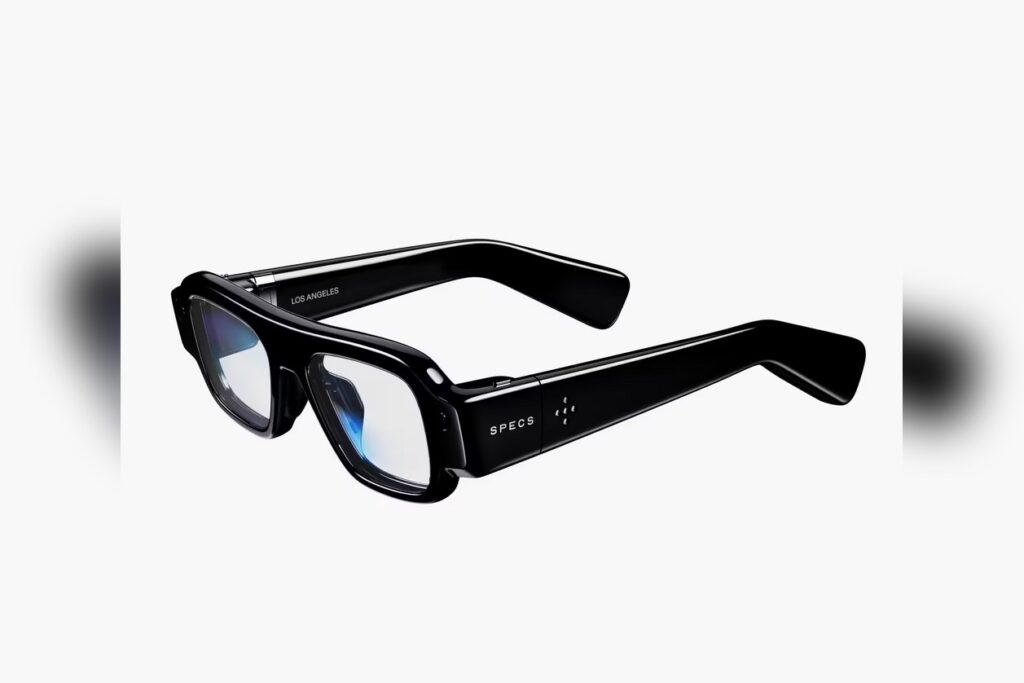
SAN FRANCISCO, September 20 — Snap Inc. has unveiled its new augmented reality glasses, called Specs, at a launch event the company held on September 16. The glasses are set to ship “this fall” and will cost $2,195, according to the company. The event opened with a disembodied voice reading a trippy poem: “This 3D simulation is designed to break up the monotony of eternity by giving you a fully immersive experience as a distinct ego identity.” Chief executive Evan Spiegel then spent about an hour demonstrating the device.
According to Snap, Specs can play games, stream media, and help users navigate the world. The glasses also come with a new AI agent called Specs Intelligence, which Snap describes as “anticipatory AI” meant to proactively handle busywork.
Snap is pitching Specs to companies as a hands-free tool for workers who do not work desk jobs, with enterprise AI features from partners including Amazon, Salesforce, and Nvidia. The company emphasizes that the glasses will not continuously record in the background or use facial recognition — features that Meta has reportedly been toying with. Snap positions Specs not so much as a Meta competitor but as a rival to AR/VR devices like the Apple Vision Pro.
It is pushing Specs as a $2,000-plus computer that will make “computing more human.”
From punchline to product
The launch follows earlier skepticism. The glasses were the butt of many jokes when first revealed, and Snap has spent the intervening period trying to turn that perception around. For communities and families across the region, the pitch is a familiar one from the consumer tech industry: a device that promises to fold computing into everyday life rather than tether users to a screen.
Whether a pair of glasses priced above two thousand dollars can deliver on that promise — and whether workers in fields like logistics, field service, and manufacturing will actually wear them — remains the open question. Snap has not said exactly when in the fall Specs will ship, nor which markets will receive them first.
The company’s enterprise partnerships with Amazon, Salesforce, and Nvidia suggest the initial push is aimed at workplace deployments rather than the consumer shelf. What to watch next: a firm shipping date, the first enterprise customers, and whether developers build enough for a device that arrives carrying both a high price and a history of being laughed at.




