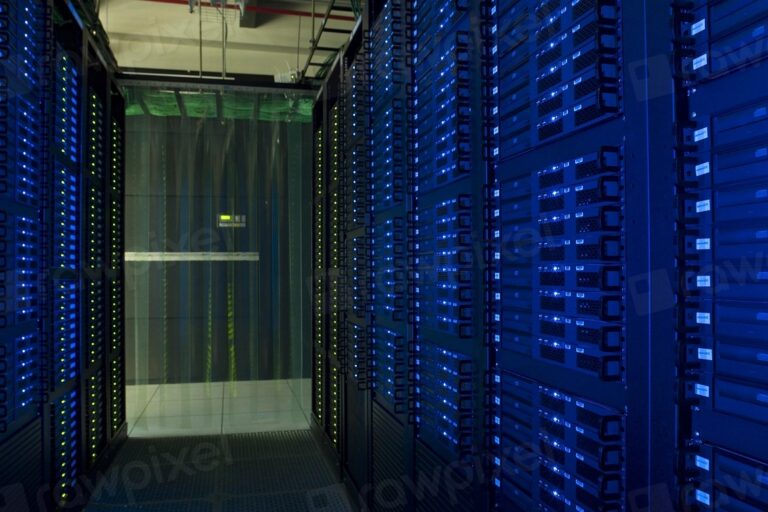
Taiwan now accounts for more than 60% of global semiconductor foundry revenue and over 90% of leading-edge chip manufacturing, according to a recent opinion column in Daily Sabah. Most of that traces back to one phone call in 1985.
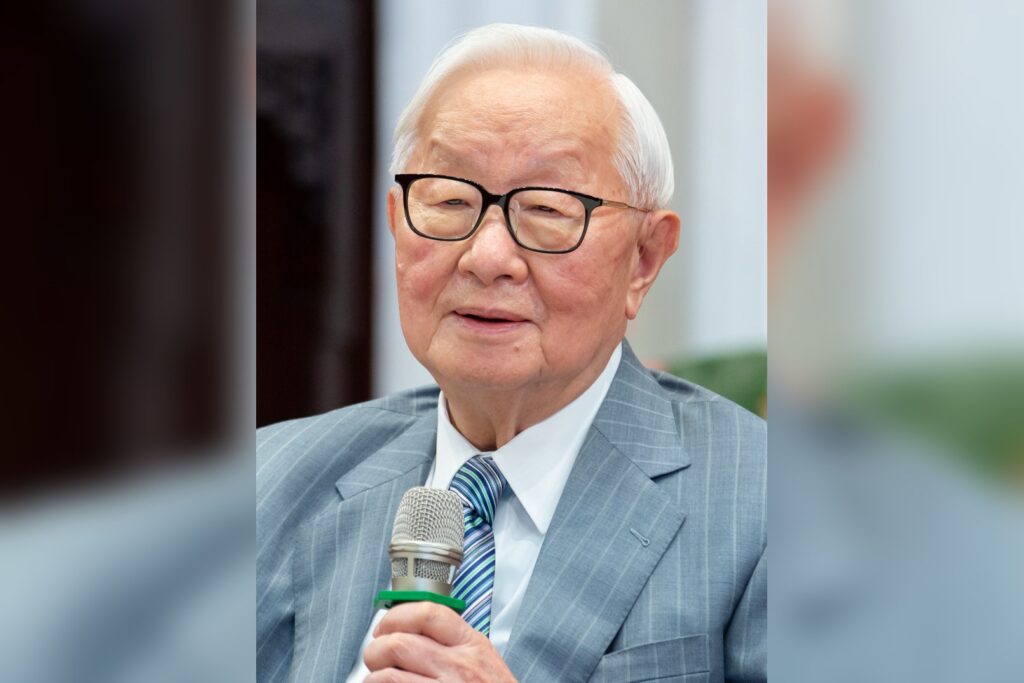
Morris Chang was in his mid-50s then. He had spent most of his life in the United States, left his homeland to study at top universities, and risen through Texas Instruments. By the column’s account, he felt he had never reached the highest tier of corporate decision-making, and he wanted to turn his own vision into something real rather than keep advancing inside a system others had built.
The call came from Taiwan. Its administration was looking for a way to secure its economic future. It could not match China militarily, its population was small and its diplomatic standing was shrinking, so it wanted to become indispensable in a technology the world would one day badly need. It needed a leader, and Chang accepted.
A company that only makes chips
There was no technology giant waiting for him. He found government support, research institutions and capable engineers. At the time, technology companies designed and manufactured their own chips. Chang proposed a company that would do nothing but manufacture them. Plenty of people called the idea unrealistic.
The Taiwan Semiconductor Manufacturing Company, TSMC, was founded in 1987. The strategy looked unremarkable at first. Then chip production grew more complex and far more expensive, and more firms decided to concentrate on design and hand fabrication to specialist foundries. TSMC was ready for them.
More companies turned to Taiwan through the 1990s, but the full weight of Chang’s model showed in the 2000s, when Apple began designing its own processors. Apple needed a manufacturer that would not compete with it in consumer electronics. The relationship that began in the Steve Jobs era and grew under Tim Cook let TSMC pay for ever more advanced manufacturing technology while Apple got more powerful, more energy-efficient chips. NVIDIA, AMD and Qualcomm followed. Many of the processors behind today’s artificial intelligence boom are made this way.
The silicon shield
The column uses Chang’s story to answer President Donald Trump, who has repeatedly said Taiwan “stole” America’s semiconductor industry. The author disagrees. Taiwan, he writes, built a new manufacturing model in a field many American firms were abandoning as fabrication got costlier and harder.
TSMC is expanding production in the U.S., Japan and Europe, but its most advanced plants and its web of engineers and suppliers remain in Taiwan. A conflict or blockade there would hit automobiles, telecommunications, AI and defense. The chip shortages during the COVID-19 pandemic, the author says, gave only a glimpse.
That dependence is why Taiwan’s chip dominance is often called a “silicon shield.” The column is careful about what the phrase means: chips do not replace military power or guarantee security, but because so much advanced production sits on the island, a conflict in the Taiwan Strait would immediately touch nearly every major power’s economic and strategic interests.