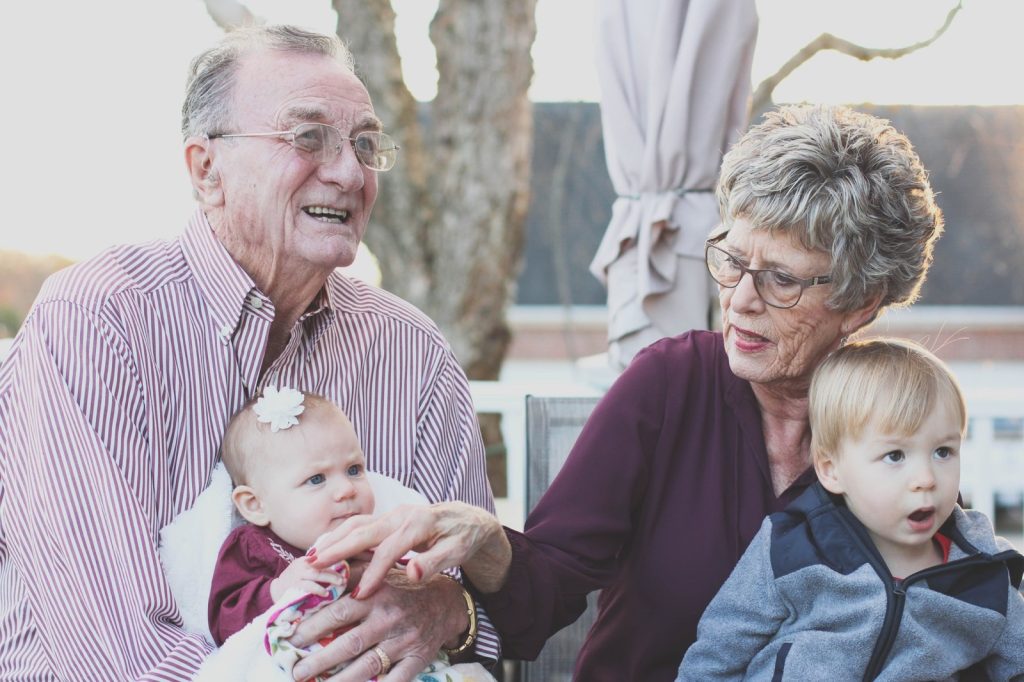
Ben Metcalfe walked into his grandparents’ kitchen and found a caricature of the family photo on the wall. An AI had drawn it. “I understand that there was good intention behind doing it,” said Metcalfe, a Gen Zer who works in AI governance. “At the same time, it’s a major privacy concern.”
His story opens a Business Insider piece by Amanda Hoover, published September 21, on a split inside families. Grandparents are feeding pictures of the children into AI image tools. The children’s parents are not thrilled.
Cuter than real life
Jen, a 32-year-old mother, said her own mother texted her a run of pictures last Christmas: Jen’s two toddlers on Santa’s lap, then riding the Polar Express. The cheeks were fuller than she knew them to be, the eyes glossier, the lighting perfect. Grok, xAI’s chatbot, had made them. “It’s so cute. And I want to love it,” Jen said. She couldn’t. Business Insider changed her name to spare her more family drama.
She had read the news about Grok generating sexual abuse material, and she worries what the bot might one day do with her children’s faces. It was not a one-off. A friend sent a coloring sheet with her kids’ faces for Mother’s Day. Her brother-in-law used AI to put one of her children into a family photo, a child who had been napping, hidden by a stroller, when it was taken.
“We all aren’t educated enough about what AI companies are doing with our content,” Jen said. She isn’t sure what rules to set.
Two camps
Hoover calls it the intergenerational slop fight. On one side sit lawmakers who want kids off social media and parents who share less with AI companies. Europe is considering rules that would limit chatbot and AI companion access for anyone under 15. On the other side are the parents, grandparents, aunts, uncles and friends uploading millions of children’s images into AI generators and passing the results around.
Metcalfe sees a snowball effect. The more people see such pictures on social media, the more normal they look. “It’s this effect of, well if they’re doing it, then we can do it as well, and then it becomes a chain reaction of everyone else is kind of doing it,” he said.
Paromita Pain, a professor of global media at the University of Nevada, Reno, said the gap comes from different relationships with privacy, not from technical skill. Boomers grew up when privacy was the default for nearly everyone except a few celebrities and politicians. Millennials watched the internet move from anonymous AOL chatrooms to the on-the-record era of Facebook, Instagram and LinkedIn.
Posting also pays something back to older users. A 2021 Pennsylvania State University study found that older adults who posted more photos to Facebook reported feeling more competent, which went with a higher sense of wellbeing.
On AI itself, a Deloitte report found that about a fifth of Boomers had ever used a standalone AI tool, against 76% of Gen Z who used AI in 2025.
No middle ground yet
Some parents have tried setting limits and got nowhere. Leah, a Millennial with a one-year-old daughter, wants no images of the baby online. Her mother, a Boomer, regularly complains about the ban. Leah has told her that photos online can be turned into deepfake child exploitation material. “We’re on totally different pages,” Leah said. “I haven’t figured out a way to bridge the gap.”