
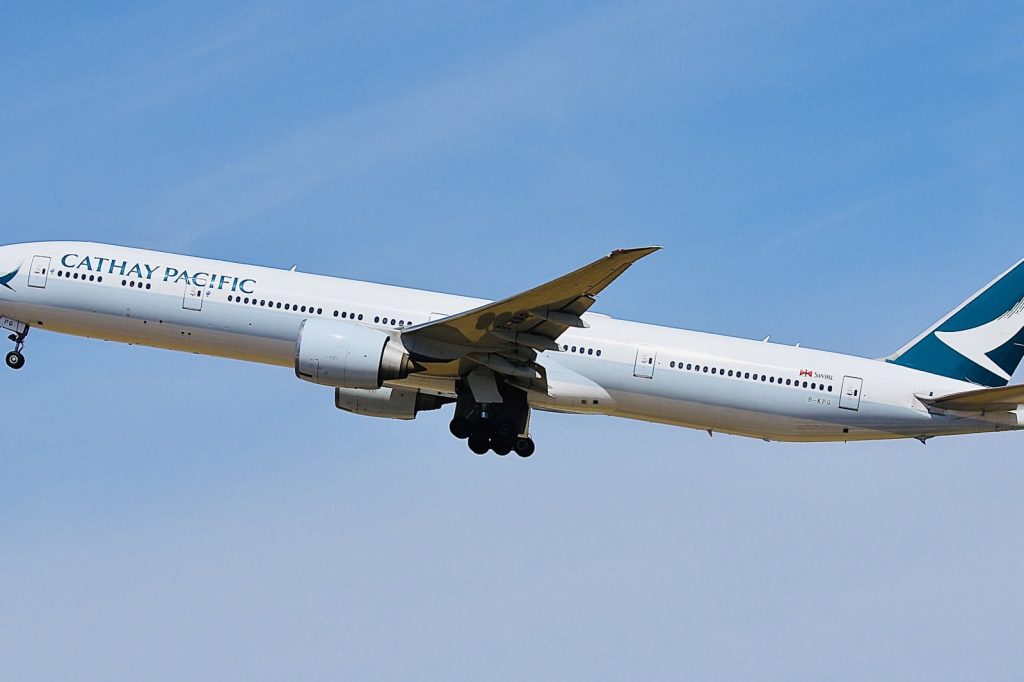
Hong Kong’s flagship airline, Cathay Pacific Airways, has been ordered to pay a $970,000 fine following a data breach that compromised the personal information of 9.4 million individuals. The penalty was imposed by the Information Commissioner’s Office (ICO) after an investigation uncovered what regulators described as a “catalogue of errors” in the carrier’s data protection practices.
The breach, detected by the airline in March 2018, involved a “brute force” attack in which hackers used automated password-guessing techniques to gain access to passenger records. Exposed data included names, passport numbers, dates of birth, phone numbers, addresses, and travel histories. Despite discovering the intrusion, Cathay Pacific did not notify affected customers until October 2018—a delay of seven months.
The ICO’s investigation revealed systemic security failures that left the airline vulnerable long before the attack occurred. According to Steve Eckersley, the ICO’s director of investigations, Cathay Pacific failed to meet four out of five basic standards outlined in the National Cyber Security Centre’s Cyber Essentials guidance.
This framework represents the minimum security measures organizations should implement. “The multiple serious deficiencies we found fell well below the standard expected,” Eckersley stated. The consequences for passengers extend beyond the immediate breach.
Unlike credit card numbers, passport numbers cannot be canceled or replaced. They serve as permanent identifiers, leaving affected individuals at ongoing risk of identity theft and targeted phishing scams.
The ICO’s action underscores the gap between the data companies collect and the security measures they deploy to protect it. Cathay Pacific has since issued apologies and stated that it has made necessary upgrades to its IT infrastructure and security systems. However, these improvements came only after the breach was exposed and the investigation completed.
The ICO’s findings indicate that the attack was not a sophisticated, state-sponsored operation but rather a basic brute-force method that exploited the airline’s failure to implement fundamental protections. The fine, while substantial, represents only a fraction of the potential harm.
For the 9.4 million passengers whose data was compromised, the risk of misuse persists indefinitely. The airline serves a broad clientele, including diplomats, business travelers, tourists, and families, all of whom trusted the carrier with sensitive information necessary for air travel. That trust was broken when basic security protocols were not followed. The ICO’s penalty sends a clear message about the consequences of inadequate data protection, but it cannot undo the exposure of millions of individuals’ private information.
The case highlights a broader issue: the disparity between the volume of personal data collected by corporations and the resources allocated to securing it. For Cathay Pacific, that gap resulted in a nearly one-million-dollar fine.
For its passengers, it resulted in a permanent loss of privacy.




