
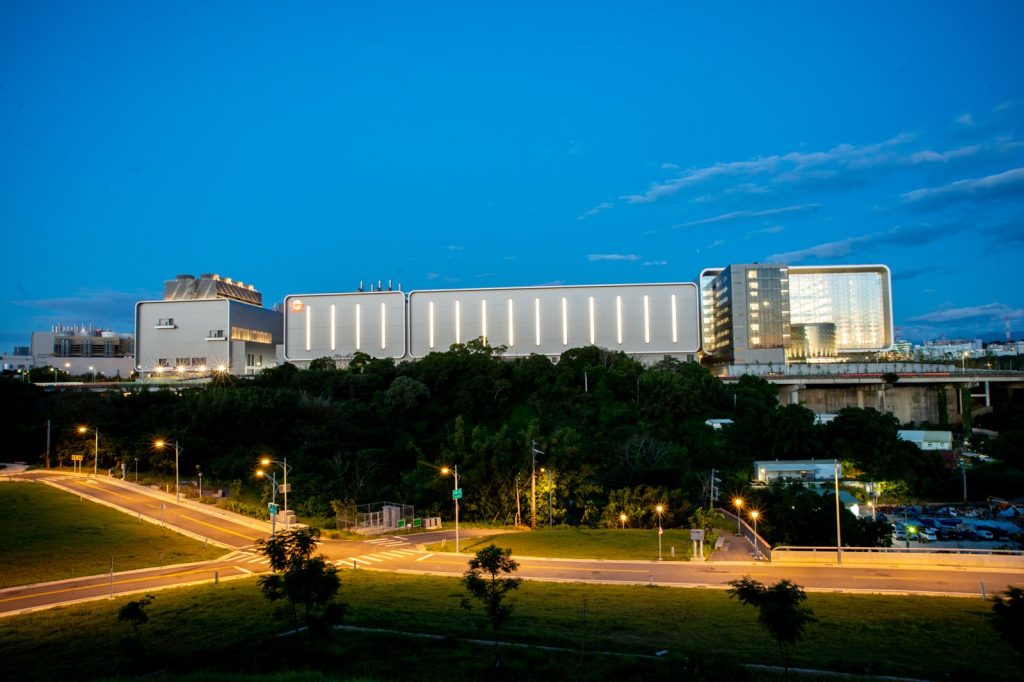
MUMBAI, July 6 — The global chip supply chain rests on four companies, and three of them are locked in a high-stakes race that directly shapes how semiconductors reach Indian data centres, smartphone factories, and automotive plants. Taiwan Semiconductor Manufacturing Company, the world’s largest dedicated independent foundry, holds roughly 56 percent of the global foundry market, according to 2023 figures. That dominance means every major Indian electronics importer and systems integrator depends on TSMC’s output, whether they buy Apple iPhones, AMD processors, or Nvidia graphics cards.
Samsung Electronics sits in the second slot with a 12 percent market share in 2023. The South Korean giant is also the world’s largest memory chip maker, giving it a dual role that TSMC does not match.
For Indian server farms and cloud providers, Samsung’s memory chips are as essential as TSMC’s logic chips. The two Asian foundries together control more than two-thirds of the global market, a concentration that Indian policymakers watch closely as they push for domestic chip assembly and packaging capacity. Intel, founded in 1968, was the leading chipmaker for decades but fell behind in advanced manufacturing nodes.
In 2021, Intel announced a $20 billion investment in new fabrication plants in Ohio, a bet that it can reclaim process leadership. For India, Intel’s comeback attempt matters because the company remains a major supplier of server CPUs that power the country’s expanding digital infrastructure.
If Intel stumbles, Indian enterprises lean even harder on TSMC and Samsung. ASML, founded in 1984 in the Netherlands, holds a near-monopoly on the extreme ultraviolet lithography machines essential for making chips at 7-nanometer and smaller nodes. In 2023, ASML shipped 53 EUV systems.
No TSMC or Samsung advanced fab can operate without these machines. Indian semiconductor startups and research labs, which currently lack access to EUV tools, watch ASML’s export policies as closely as they watch the foundries themselves. TSMC was founded in 1987 by Morris Chang.
Samsung entered chip manufacturing in 1983, decades after its founding in 1938. The two Asian giants now anchor a supply chain that stretches from Dutch cleanrooms to Indian assembly lines.
For New Delhi, the lesson is clear: the four companies that control the world’s chip flows are split between Asia and the West, and India remains a consumer, not a producer, of their most advanced output. Analysts note that the foundry market’s concentration shows no sign of easing. TSMC’s 56 percent share and Samsung’s 12 percent leave little room for newcomers.
Indian officials have floated incentives for domestic fabrication, but the capital and technical barriers remain enormous. The next few years will tell whether India can carve a niche in a supply chain dominated by these four players, or whether it will remain dependent on their output for every chip that powers its digital economy.
{“@context”: “https://schema.org”, “@type”: “NewsArticle”, “headline”: “Chip Titans TSMC, Samsung, Intel, ASML Battle for Supremacy”, “description”: “MUMBAI, July 6 — The global chip supply chain rests on four companies, and three of them are locked in a high-stakes race that directly…”, “datePublished”: “2026-07-06T09:30:00+00:00”, “author”: {“@type”: “Person”, “name”: “Arjun Mehta”}, “publisher”: {“@type”: “Organization”, “name”: “InfoPulse Today”, “url”: “https://newsfeed.infopulsetoday.com/”}}




