
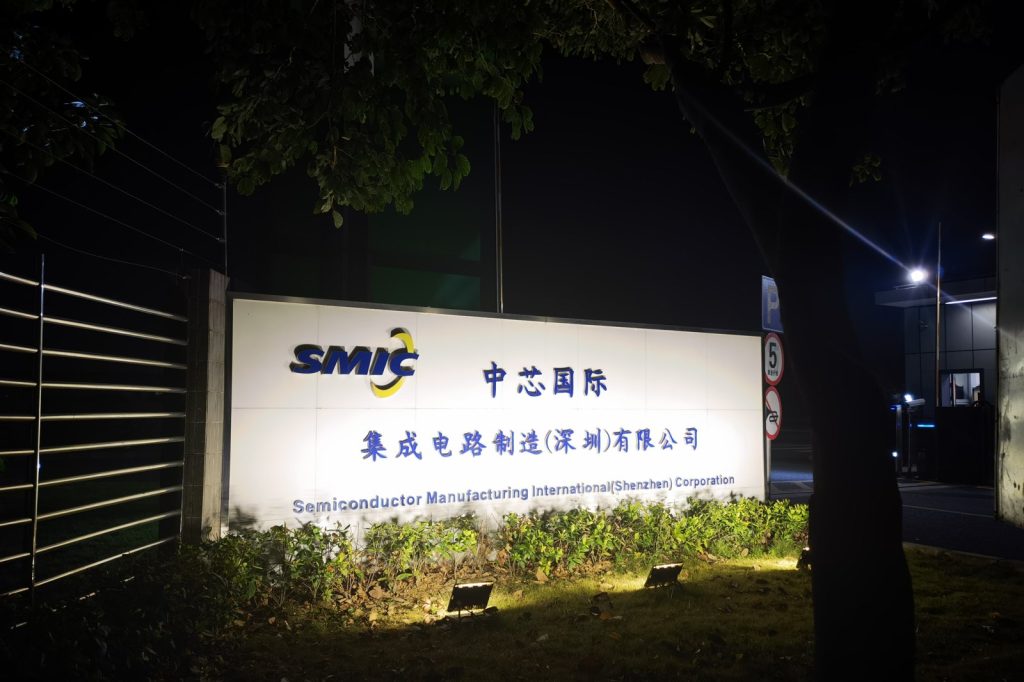
In the first week of October 2022, Washington told the world it would no longer let China buy the best chips or the machines that make them. The Bureau of Industry and Security required export licences for semiconductors made with U.S. technology, restricted chip-making tools, and barred U.S. citizens and companies from working with Chinese chipmakers without specific approval. Under Secretary of Commerce Alan Estevez said the aim was to keep sensitive technologies “with military applications” away from China’s military, intelligence and security services.
It was a sharp turn, though not a sudden one. U.S. restrictions began in 2019 under the Trump administration, aimed first at Huawei. Huawei and SMIC were put on the Commerce Department’s entity list. In October 2023 came bans on Nvidia’s A100 and H100 AI chips. And on January 15, 2025, days before Trump returned to office, Commerce issued two more rules: updated controls on advanced computing chips and new entity-list additions in China and Singapore.
Allies and subsidies
The Biden administration called its approach a “small yard, high fence.” National Security Advisor Jake Sullivan said in April 2023: “Our objective is not autarky – it’s resilience and security in our supply chains.” The Netherlands and Japan, whose companies make much of the world’s chip-making equipment, coordinated their own controls with Washington.
At home the U.S. spent money. The CHIPS Act of August 2022 funded domestic production. The EU’s Chips Act aims to double Europe’s market share from 10% to at least 20% by 2030, with 15 billion euros in public and private investment. By one estimate in GIS Reports, the U.S. holds a 10% share of chip production but 39% of the value chain.
The costs go both ways. China consumes 40% of the world’s chip supply, so a ban reaches far beyond Beijing. Chip manufacturing costs in the U.S. are put at 50% above Taiwan’s. Taiwan itself makes 92% of the most sophisticated chips.
China’s response
Beijing treats chips as its weak point. Made in China 2015 targeted 70% self-reliance by 2025, a goal GIS Reports calls unrealistic; the target was later reset to 75% by 2030. China has put about $150 billion into the industry since 2015 and added $41 billion to its national chip fund last summer, according to the same report. SMIC and Huawei made 7-nanometer chips in 2023 using American technology. The Kirin 9000s, built by Huawei with SMIC, trails its predecessor by 33% in GPU performance, Foreign Policy reported.
China has hit back too. It has barred Micron products from critical infrastructure since May 2023 over “serious security risks,” and last July it restricted exports of gallium and germanium. In September 2024 it warned Japan of economic retaliation if it curbed sales and servicing of chip equipment further.
Leaks in the wall
Enforcement is the weak point. Reuters reported in early February that Chinese firms had obtained restricted chips through Singapore, the UAE and Malaysia. U.S. officials opened an investigation into whether DeepSeek got Nvidia chips through Singaporean intermediaries. SemiAnalysis estimated DeepSeek had 50,000 Hopper GPUs. Singapore’s trade ministry denied that controlled chips were being diverted. Huawei and SMIC also stockpiled U.S. chips before the 2022 and 2023 rules took effect.
Sources
- How the chip war could break apart China and the West
- The U.S. Escalates Chips War With China
- Containment Can’t Win the U.S.-China Tech Race Alone




