
BEIJING, July 8 — A global semiconductor shortage that began in late 2020, triggered by a surge in demand for electronics during the COVID-19 pandemic combined with supply chain disruptions, reshaped the automotive, consumer electronics, and medical device industries. By mid-2023, the shortage had eased for most sectors except automotive, where demand for chips in electric vehicles remained high. The shortage’s impact was stark.
Automakers Ford and General Motors reported production halts; Ford estimated a loss of 1.3 million vehicle units in 2021. The shortage led to a 37% increase in new car prices in the U.S. from 2020 to 2022.
The semiconductor industry association reported global chip sales of $555.9 billion in 2021, up 26.2% from 2020, and $574 billion in 2022.
Supply Chain Strain and Investment Surge
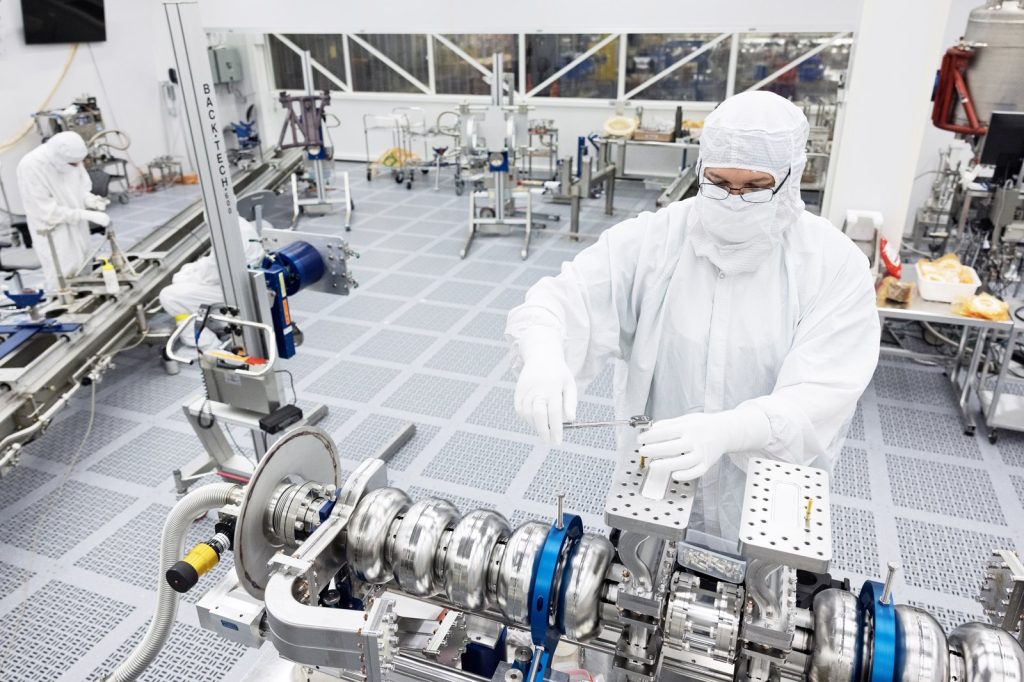
The disruption exposed the concentration of chip manufacturing in Taiwan and South Korea, prompting governments and companies to invest in new fabrication plants. According to SEMI, global capital expenditure on semiconductor equipment reached $109 billion in 2022. The shortage also accelerated efforts to diversify supply chains away from Taiwan and South Korea.
In 2023, the U.S. Department of Commerce reported that lead times for certain chips had fallen from 26 weeks in early 2022 to 12 weeks by September 2023.
Automotive Sector Remains Under Pressure
While consumer electronics and medical devices saw relief by mid-2023, the automotive sector continued to face tight supply. The persistent demand for chips in electric vehicles kept pressure on automakers, even as overall chip availability improved. Analysts at Gartner predicted the shortage would fully resolve by the end of 2024, though they cautioned that geopolitical risks remain.
The semiconductor industry association’s figures show global chip sales in 2021 and 2022 remained elevated, reflecting both the scale of the crisis and the industry’s response. The shortage prompted a wave of investment in new fabs globally, with SEMI reporting $109 billion in capital expenditure on semiconductor equipment in 2022 alone.
Governments in the U.S., Europe, and Asia have since introduced policies to boost domestic chip production, aiming to reduce reliance on a handful of suppliers.
Looking Ahead
As of mid-2026, the semiconductor supply chain has largely stabilized, though the automotive sector continues to monitor chip availability closely. The industry’s experience during the 2020-2023 shortage has reshaped corporate strategies, with many companies now holding larger chip inventories and diversifying supplier bases. The U.S. Department of Commerce’s data showing lead times falling from 26 weeks to 12 weeks by September 2023 underscores the pace of recovery in some segments.
However, the automotive sector’s ongoing demand for chips in electric vehicles suggests that full normalization may take longer than initially expected. Analysts at Gartner predicted the shortage would fully resolve by the end of 2024, though geopolitical risks remain a factor.
The semiconductor industry association’s figures show global chip sales of $555.9 billion in 2021, up 26.2% from 2020, and $574 billion in 2022, reflecting both the crisis and the industry’s resilience.




