
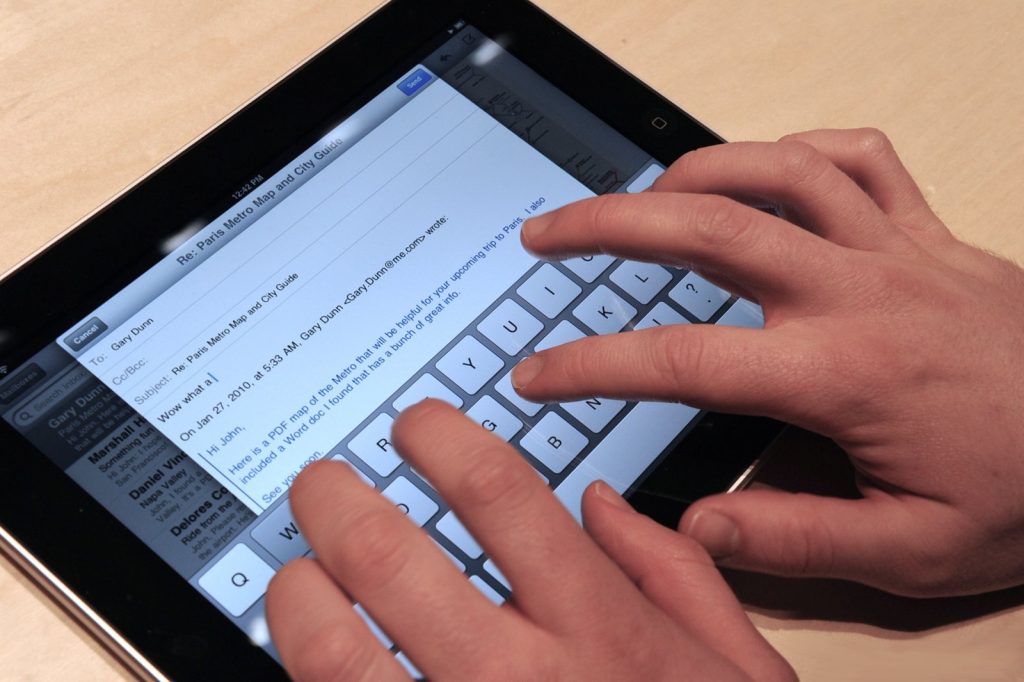
Meta’s Muse assistant now has its own iPad app. The company announced it on Wednesday, October 7, a month after Muse arrived on phones. TechCrunch noted that Instagram took some 15 years to get there, despite constant user demand.
Fair question: why so fast? The same report offered a likely answer. Muse is a text-heavy app, so image and video resolution and formatting matter less on a tablet screen, and that makes it easier to port.
The early numbers
Muse launched on iOS and Android on September 8. Sensor Tower estimates it has passed 6.6 million installs since. It is now one of dozens of consumer-facing AI agents, which means Meta is entering a crowded field.
Here’s what it does in plain terms. Users connect their accounts so Muse can keep on top of email, meetings and bills, and then hand it tasks such as booking reservations, ordering groceries, setting goals and making purchases. Think of it like a personal assistant that only gets the keys to the rooms you choose. Each partner service shows up in the app as a “connector,” and users add and sign in to them selectively, depending on how much of their online life they want an AI agent to handle.
New connectors and shopping partners
With the iPad release, Meta refreshed that list. The newer additions include connectors aimed at small businesses: Asana, Canva, Dropbox, Figma, QuickBooks, GitHub, Klaviyo and Zoom. There are connectors for Meta ad accounts too, plus Notion and Granola.
Meta also recently named more retail partners: Best Buy, Gap, Sephora, Walmart and Wayfair. The agent can browse those retailers’ sites and complete transactions for users.
The bot problem
The technology is still new, and TechCrunch pointed to a snag. Websites sometimes mistake agents for bots and block them. On Tuesday, Meta said it is working with industry partners on an open standard that would let personal AI agents identify themselves to businesses. The aim is to help companies tell the good bots from the bad.




