
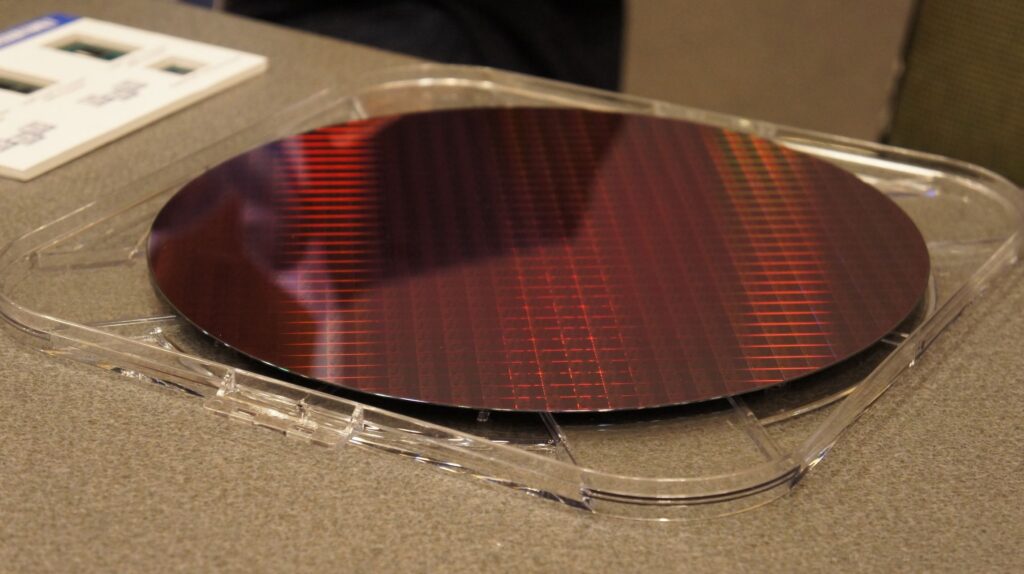
Wolfspeed, the North Carolina chipmaker that bills itself as the world’s leading maker of silicon carbide wafers and devices, has a conditional commitment for a loan of up to $1.5 billion from the US Department of Defense. The department now goes by the stylized name Department of War. The loan would run for 30 years.
Here’s what the money is for. Wolfspeed said it would support US-based development and production of silicon carbide materials and wide-bandgap power devices, with a focus on national security uses. The company also plans to upgrade its gallium nitride epitaxy capabilities, the layer-growing step behind chips for next-generation communications infrastructure and electronic warfare systems. And it wants to build radiation-hardening capabilities into its current silicon carbide products and its future gallium nitride ones.
Why these materials matter
In plain terms, both materials let chips do more with less waste. Silicon carbide, a synthetic crystal of silicon and carbon, conducts heat better than ordinary silicon, switches faster and loses less energy, which suits high-voltage power devices. Gallium nitride can handle more power than silicon, so chips built on it can be more efficient and durable.
The terms
The loan comes with strings. Wolfspeed would have to issue the Defense Department warrants to buy up to 7.5 percent of its fully diluted equity, priced by volume-weighted average share price. The warrants would be issued pro rata as each tranche of financing is funded.
CEO Robert Feurle said silicon carbide and gallium nitride “have critical national security applications,” and that the financing would leave the company “well positioned to not only continue to serve the DoD but also expand its capabilities for the benefit of US national security as a whole.” He added that the size and 30-year length of the commitment reflect the long-term importance of the manufacturing Wolfspeed has built in the United States.
A difficult few years
The backdrop is rough. Founded in 1987, Wolfspeed has faced weaker demand for its 150mm wafers. In January 2025 it put its site near Dallas, Texas, up for sale at an undisclosed price. It filed for Chapter 11 bankruptcy in June 2025 as part of a restructuring agreement with creditors, and finished that restructuring in September of the same year.




