
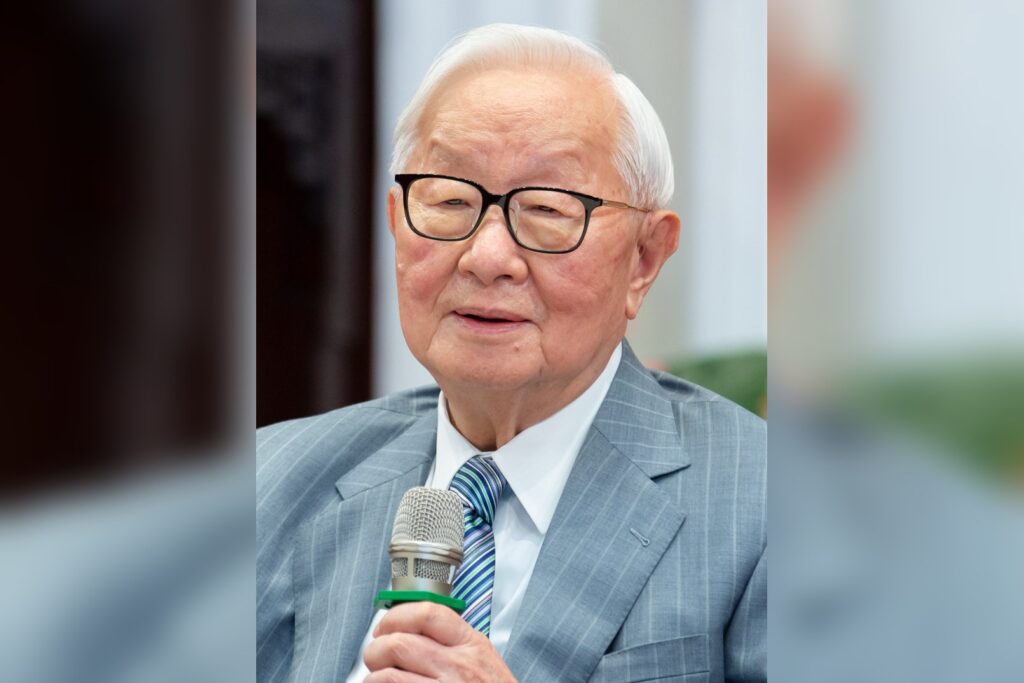
In 1983, Morris Chang was 52 and had just been passed over for the top job at Texas Instruments. He left. That setback, MoneyWeek says in a July 2026 profile, is where the story of the world’s biggest chip manufacturer really begins.
Chang had spent 25 years at Texas Instruments, rising to run its global semiconductor business. In that time he noticed a problem. Engineers could design clever chips, but turning a design into a product took vast sums, because chip firms were expected to own the factories, the specialised equipment and the know-how to run them. A handful of big, vertically integrated companies dominated the business.
An offer from Taiwan
After a short spell in a senior role at another American chip company, Chang got an unusual offer. The Taiwanese government wanted a domestic electronics industry and was looking for someone with Silicon Valley experience to lead the effort. He accepted. MoneyWeek writes that he arrived convinced that copying America would be a mistake, since Taiwan lacked the design talent, customer relationships and global brands to compete head on.
His answer was a question. What if someone simply built chips for the designers who could not afford factories? TSMC was created in 1987 on that idea. It would make chips for anyone willing to pay and would never design products of its own.
The industry thought this was madness. Texas Instruments and Intel both turned down Chang’s request for backing. In the end the Dutch group Philips and several wealthy Taiwanese families put up the money, and MoneyWeek says Philips saw it mainly as support for Taiwan’s ambitions and planned to liquidate its stake early. Customers were no keener. By then Chang was 56.
The Intel break
Luck helped. In 1988 Intel ran short of manufacturing capacity and, reluctantly, turned to TSMC. Its engineers flew to Taiwan expecting a cheap, unsophisticated subcontractor. They found a world-class operation. Once TSMC passed Intel’s quality standards, MoneyWeek writes, attitudes changed fast: if Intel trusted the company, others could too. The publication argues that without TSMC, Nvidia could probably not have existed.
Rivals found the model hard to copy. Samsung had money and experience but also sold phones and electronics under its own brand, which made customers wary of handing it their designs. Apple, whose processors Samsung had built in the early iPhone years, moved production to Taiwan with the A8 processor in 2014. Intel, by contrast, turned down Apple in the mid-2000s when it asked about chips for what became the first iPhone, and its factories were later built around its own products rather than outside clients. GlobalFoundries effectively gave up on leading-edge manufacturing in 2018. SMIC, China’s national champion, is held back by Western export controls on advanced equipment.
Why the lead holds
MoneyWeek puts TSMC’s real edge in the business model, not the technology, which it says can be copied. The most advanced chips need ultraviolet lithography machines from the Dutch firm ASML, each costing more than £275 million. A state-of-the-art fab can hold dozens, pushing the cost of a new plant beyond £15 billion before production starts. TSMC controls roughly 92% of advanced chip manufacturing, and in 2026 alone it expects to spend nearly £45 billion on new factories and equipment.




