
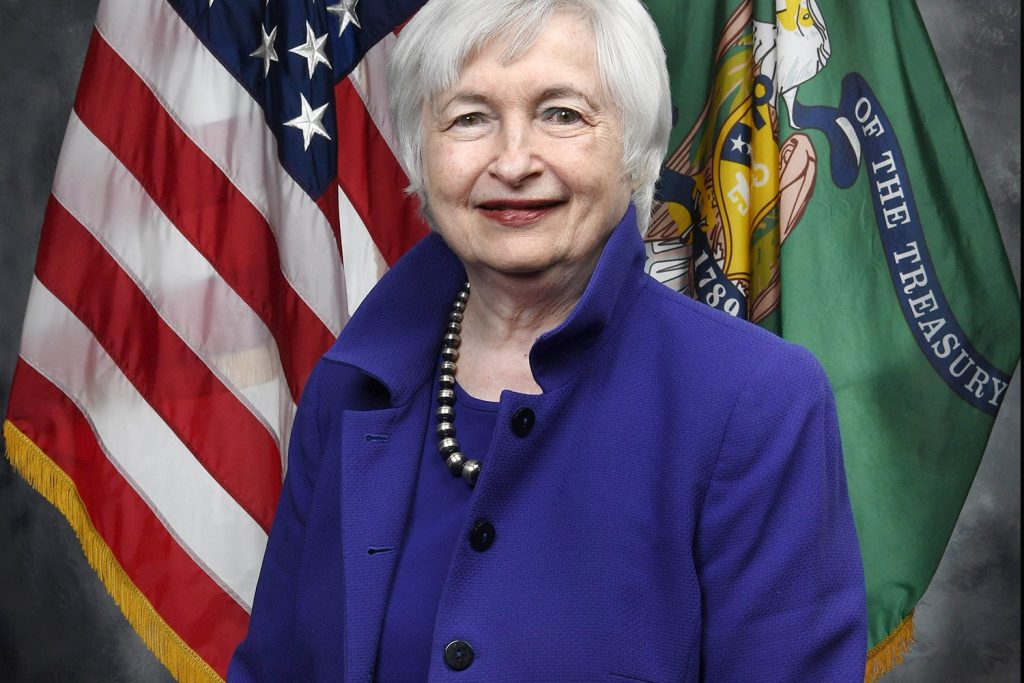
The United States Department of the Treasury acknowledged on December 30, 2024, that a state-sponsored actor from the People’s Republic of China had gained unauthorized access to its computer systems two days earlier, on December 28. The department stated that its security systems detected the intrusion and flagged it within approximately 48 hours, a rapid response time indicating that detection tools functioned as designed.
However, the breach still succeeded, and unclassified documents were exfiltrated. While unclassified documents do not include highly sensitive materials such as nuclear launch codes or sealed indictments, they still hold significant value. Such files may contain internal policy memos, interagency correspondence, budget spreadsheets, personnel records, and vulnerability assessments of other systems.
For a state-sponsored intelligence service, this material provides a roadmap of how the Treasury operates, who it communicates with, and where weaknesses exist. A single document can serve as a key to unlocking more sensitive systems.
The attribution of the attack to China elevates this incident beyond a routine crime to a geopolitical act, escalating the ongoing cyber conflict between the United States and China. Other federal agencies must now assume they may have been probed or compromised by the same actor. The Treasury serves as a central hub, processing payments, managing sanctions, and coordinating with the Federal Reserve. An attacker who gained a foothold there may have left behind tools for future use, meaning the breach may not be over.
The fallout is expected to unfold in layers. Congress will demand briefings from committees overseeing the Treasury and national security, leading to hearings and questions about why unclassified documents were accessible from a network reachable by a foreign state.
Allies who share financial intelligence with the United States will seek assurances that their data was not exposed. The private sector, including banks and financial firms that report to the Treasury, will be concerned that correspondence about pending regulations or enforcement actions may have been compromised. This incident is part of a pattern of state-sponsored hacks of U.S. government agencies.
Previous breaches include the Office of Personnel Management in 2015, the State Department, and the Cybersecurity and Infrastructure Security Agency through the SolarWinds attack. Each time, the response has involved investigations, promises of reform, and new funding requests, yet another breach follows.
The December 30 disclosure represents a step toward transparency, but transparency after the fact does not prevent future intrusions. The underlying problem is structural: the government’s digital infrastructure is old, sprawling, and full of holes. Patching one hole does not fix the rest.
The Treasury is expected to tighten access controls, potentially disconnect certain systems from the internet, and hire more cybersecurity staff. The Chinese government has not commented and will likely deny involvement, but the Treasury’s attribution carries weight, indicating clear evidence.
This story is not finished. The documents are out, the investigation is just beginning, and the next breach is already being planned somewhere.
{“@context”: “https://schema.org”, “@type”: “NewsArticle”, “headline”: “US Treasury Department Discloses Cyber Breach by Chinese Actor Quickly”, “description”: “The United States Department of the Treasury acknowledged on December 30, 2024, that a state-sponsored actor from the People’s Republic of China had gained unau”, “datePublished”: “2026-06-22T09:30:00+00:00”, “author”: {“@type”: “Person”, “name”: “Ariel Antonio”}, “publisher”: {“@type”: “Organization”, “name”: “InfoPulse Today”, “url”: “https://newsfeed.infopulsetoday.com/”}, “image”: “https://infopulsetoday.com/wp-content/uploads/sites/3/rehomed/s24/2026/05/companion_7168.jpg”}




