
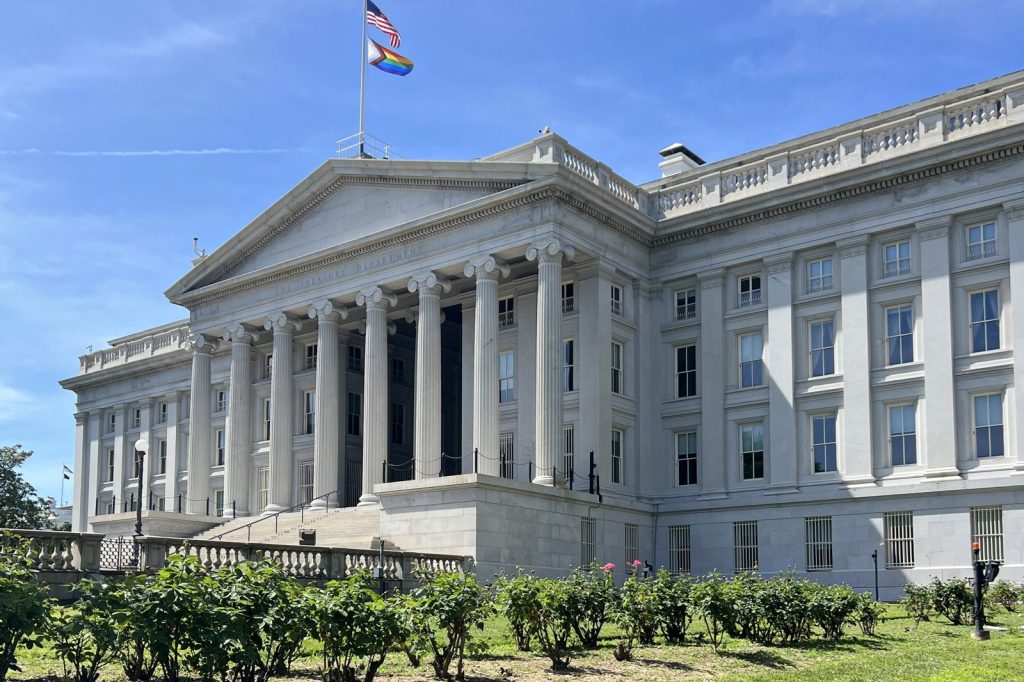
On December 28, 2024, a cyber intrusion attributed to a state‑sponsored actor from the People’s Republic of China entered the information systems of the United States Department of the Treasury. The department publicly acknowledged the breach two days later, on December 30, after its own security tools flagged the unauthorized activity within roughly a 48‑hour window. The compromised material consisted of unclassified documents. While such files do not include nuclear launch codes or sealed indictments, they can contain internal policy memoranda, inter‑agency correspondence, budget spreadsheets, personnel records and vulnerability assessments of other Treasury‑related systems.
For a foreign intelligence service, this type of information can serve as a roadmap, revealing how the Treasury operates, with whom it communicates and where its procedural “seams” lie. The Treasury’s rapid detection indicates that its monitoring mechanisms functioned effectively enough to notice the intrusion quickly.
Nonetheless, the fact that the breach occurred demonstrates that the adversary was able to bypass protections that should have been in place. The incident therefore underscores a broader concern: unclassified networks, which are extensive, internet‑connected and house millions of files, remain vulnerable despite layered software defenses and human oversight. Because the Treasury is a central hub for payments, sanctions administration and coordination with the Federal Reserve, the intrusion raises the possibility that the attackers may have left tools for future access.
The breach is not an isolated crime but a geopolitical act, adding another chapter to the ongoing cyber rivalry between the United States and China. Other federal agencies are likely to review their own systems for signs of similar probing.
Immediate repercussions are expected on several fronts. Congressional committees that oversee Treasury functions and national security will seek briefings, schedule hearings and question why unclassified information was reachable from a network that a foreign state could access. International partners that receive U.S. financial intelligence will also inquire whether their data may have been exposed.
In the private sector, banks and other financial institutions that report to the Treasury are expected to monitor for any signs that the breach revealed pending regulatory or enforcement communications. The admission fits a pattern of state‑backed cyber incidents targeting U.S. agencies.
Past examples include the 2015 Office of Personnel Management breach, the intrusion of the State Department’s systems and the SolarWinds‑related compromise of the Cybersecurity and Infrastructure Security Agency. Each episode typically triggers investigations, promises of reforms and requests for additional funding, yet subsequent breaches continue to emerge. Transparency about the Treasury breach is a positive step, but it does not prevent future intrusions.
The department is likely to respond by tightening access controls, possibly disconnecting certain systems from the public internet and expanding its cybersecurity workforce. However, analysts note that the underlying challenge lies in the government’s aging, sprawling digital infrastructure, where fixing one vulnerability does not automatically secure the entire network.
The Chinese government has not issued a comment and is expected to deny involvement, a standard diplomatic response. The Treasury’s attribution, however, suggests that the evidence met a threshold sufficient for public naming. The investigation remains ongoing, and the released documents are now in the public domain.
Stakeholders across government, allied nations and the financial industry will watch closely for the Treasury’s next actions and for any further developments in this evolving cyber conflict.
{“@context”: “https://schema.org”, “@type”: “NewsArticle”, “headline”: “US Treasury Discloses Cyber Breach by Chinese State-Sponsored Actor”, “description”: “On December 28, 2024, a cyber intrusion attributed to a state‑sponsored actor from the People’s Republic of China entered the information systems of the United “, “datePublished”: “2026-06-23T09:30:00+00:00”, “author”: {“@type”: “Person”, “name”: “Henry Thomas”}, “publisher”: {“@type”: “Organization”, “name”: “InfoPulse Today”, “url”: “https://newsfeed.infopulsetoday.com/”}, “image”: “https://infopulsetoday.com/wp-content/uploads/sites/3/rehomed/s23/2026/05/companion_7168.jpg”}




