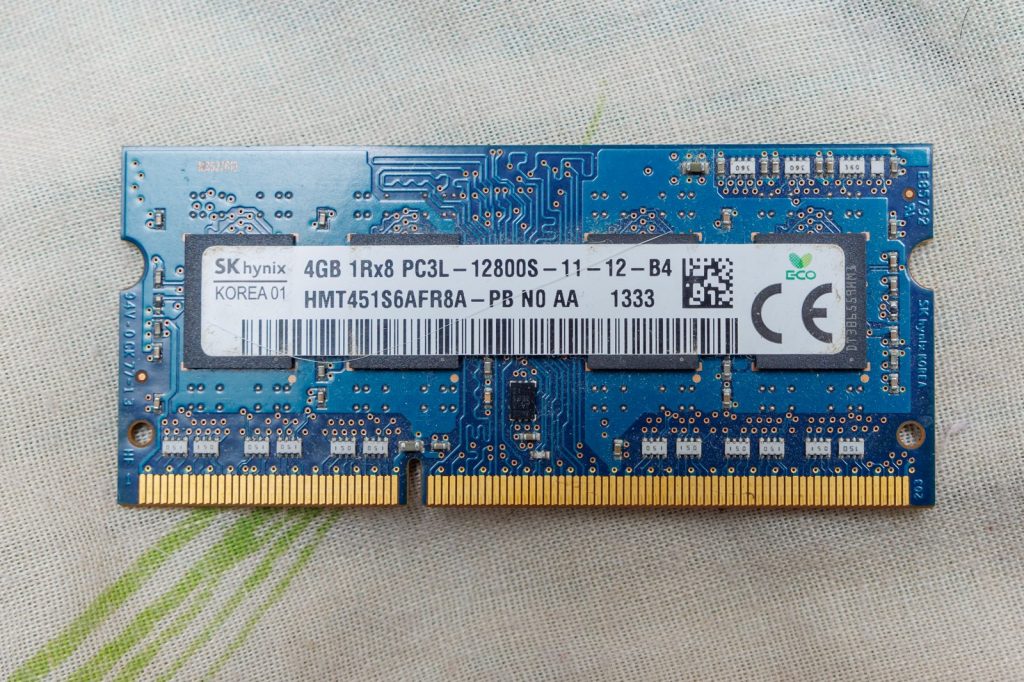
JPMorgan expects the market for memory chips to reach close to $300 billion by 2027. Artificial intelligence and data centers are driving the demand, according to a report summarized by Investing.com in September 2025.
The bank’s analysts see the main engine as High-Bandwidth Memory, or HBM, the fast memory that AI models need. They expect the HBM market to speed up in 2027 and reach about $90 billion, helped by strong demand and tight supply. Next-generation HBM4E is expected to carry much of the growth.
A longer run for DRAM prices
Memory has a reputation for violent swings in price. The report calls for something different in DRAM: a four-year upcycle from 2024 to 2027, with prices rising steadily over the following two years. By 2027, HBM alone should account for 43% of total DRAM market value, which analysts say should soften sharp price moves.
SK Hynix is expected to stay in front on HBM4 production. Samsung Electronics and Micron Technology would fight over what is left.
NAND and spending
The report also sees a rebound in NAND flash, the memory in smartphones and SSDs. After years of underinvestment and shortages of hard disk drives, JPMorgan projects average NAND selling prices to climb about 7% in 2026.
Manufacturers are expected to raise capital spending by 7% to 12% in 2026 and 2027, with most of it going into DRAM, where HBM economics remain very favorable.
JPMorgan acknowledged that valuations in the sector look stretched in the near term. It still holds a positive view of the leading memory makers and repeated its preference for SK Hynix, Samsung Electronics and Micron.