Every phone in a Manila jeepney and every laptop in a Jakarta classroom runs on ideas that a handful of people worked out long before those devices existed. Five names come up again and again when computer scientists trace the family tree.
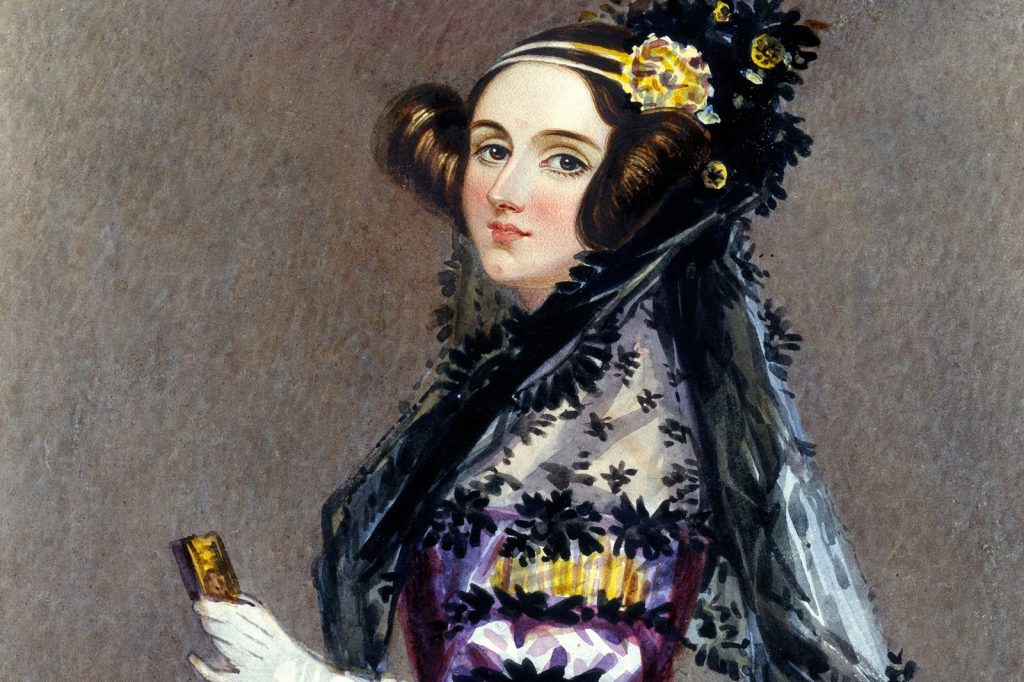
Ada Lovelace was an English mathematician and writer who worked on Charles Babbage’s Analytical Engine. She is credited with writing the first algorithm designed to run on a computer, which is why many call her the world’s first programmer.
Alan Turing designed what became known as the Universal Turing Machine, a theoretical device able to perform any calculation. Many people call him the father of modern computing. During World War II he also played a vital part in breaking the Enigma code used by Nazi Germany, an achievement often ranked among the most significant of the war effort.
Software and architecture
Grace Hopper helped develop the COBOL programming language. She also built the first compiler, a tool that turns programming language into machine code. Her admirers add that she opened a path for women in computer science.
John von Neumann, a mathematician, shaped how computers are put together. His design keeps programs in the same memory as data. That arrangement became the standard for modern machines.
The web
Tim Berners-Lee invented the World Wide Web. He developed the first web browser and made the first web page in 1991. For families across the region who now study, shop and video-call over the web, that single page is where it started.