
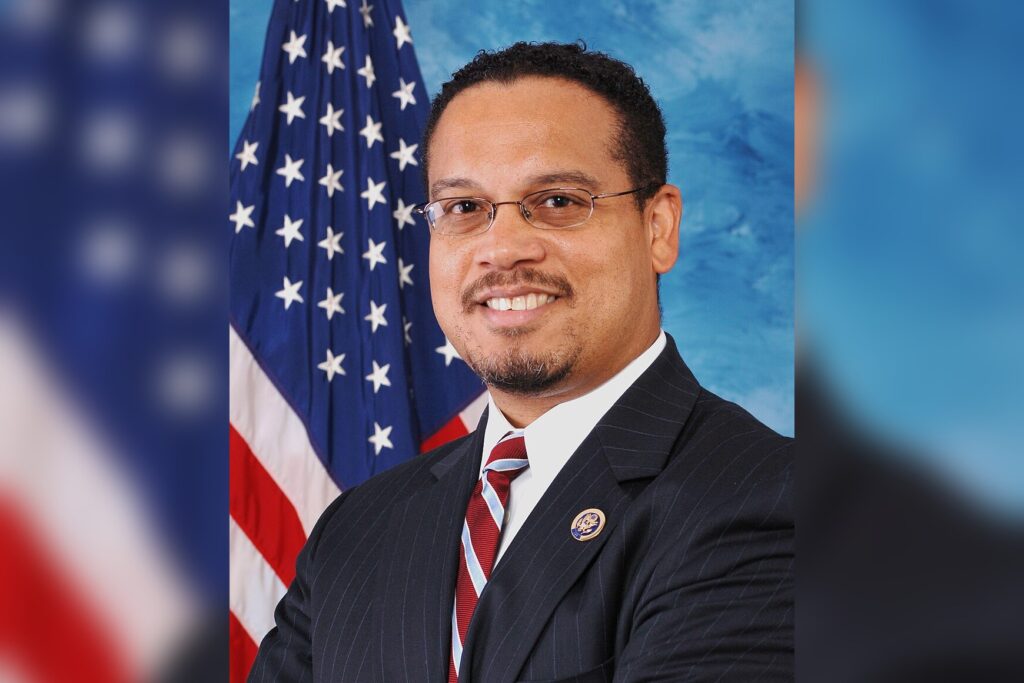
ST. PAUL, September 18 — Minnesota Attorney General Keith Ellison joined a coalition of 16 attorneys general on Monday in a letter opposing the Digital Asset Market Clarity Act, the federal cryptocurrency regulation bill now before the Senate Banking Committee. The letter went to Sen. Tim Scott and Sen. Elizabeth Warren, the committee’s chair and ranking member.
The coalition’s objection is narrow and specific: that the bill would limit states’ ability to pursue cryptocurrency fraud cases, and would let the Securities and Exchange Commission preempt state registration authority over digital assets, according to Ellison’s office. That is the technical reality of the dispute.
Federal preemption of registration is not a turf argument dressed up in statutory language — it determines which regulator can act first when a token issuer or exchange goes wrong, and whether a state can move on a fraud case without waiting on Washington.
A bipartisan coalition, and a state that has already legislated
The coalition spans both parties. Alongside Minnesota it includes Arizona, Connecticut, Delaware, the District of Columbia, Illinois, Kansas, Maryland, Michigan, New Jersey, New York, Nevada, Ohio, Virginia, Washington and Wisconsin. Minnesota has not waited for the federal question to resolve.
A state law banning cryptocurrency kiosks statewide took effect Aug. 1. From 2023 to 2025, the state logged 134 complaints connected to those kiosks, with reported losses reaching nearly $1 million, according to Ellison’s office.
The Consumer Action Division of the Minnesota Attorney General’s Office has received hundreds of complaints of crypto-based scams since 2019. Over the last 18 months, Minnesotans’ losses from scams paid in cryptocurrency topped $10 million — more than half of all scam losses reported to the office in that period.
The national numbers behind the states’ argument
Nationally, the FBI reported $11.4 billion in losses from cryptocurrency-related complaints in 2025, a 22% increase from 2024, with an average reported loss of $62,604, according to Ellison’s office. The Federal Trade Commission reported $1.78 billion in cryptocurrency-related losses in 2025, a 25.6% increase from 2024. Since 2017, states have brought more than 330 anti-fraud enforcement actions against scammers in the crypto ecosystem, according to Ellison’s office — the enforcement record the attorneys general are implicitly defending.
The coalition’s case rests on states’ traditional role in consumer protection and fraud enforcement, which the attorneys general say federal preemption of state registration authority over digital assets would undermine. That the group includes the District of Columbia and attorneys general from both parties suggests the concern is not partisan.
What to watch next is whether Scott and Warren take the letter up in committee, and whether the preemption language survives markup. As ever, the detail that matters is the registration clause — who gets to act, and how fast.




