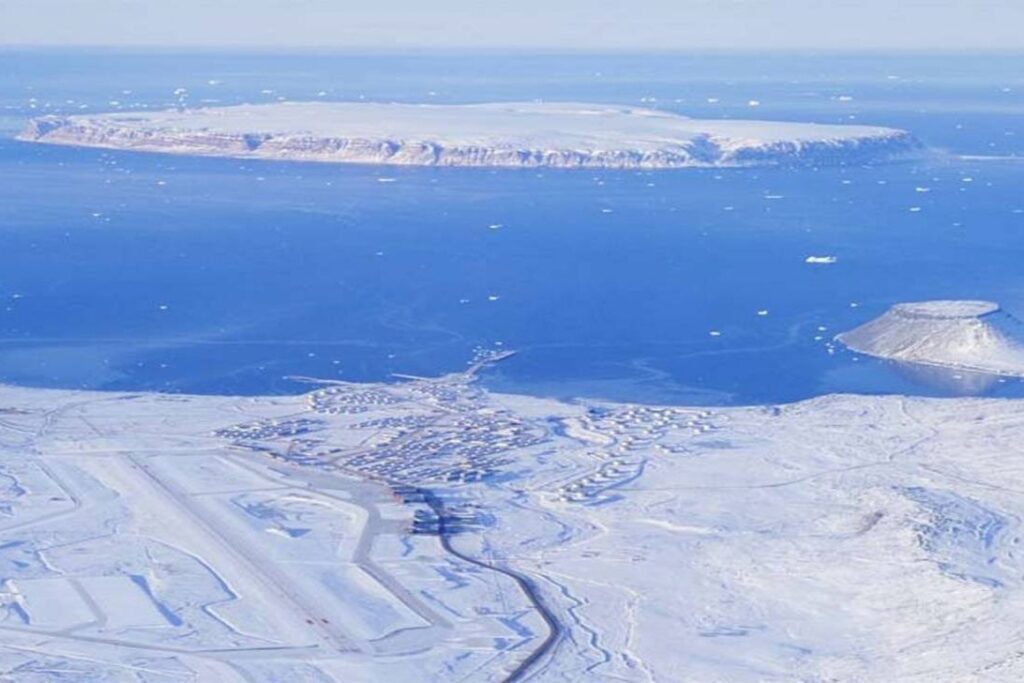
The northernmost American military base sits on a Greenland coast where roughly two hundred active-duty US personnel watch radar screens for missiles launched from Russia. It is called Pituffik Space Base now, and it used to be Thule Air Base. Under a security agreement signed this month, it is about to get bigger.
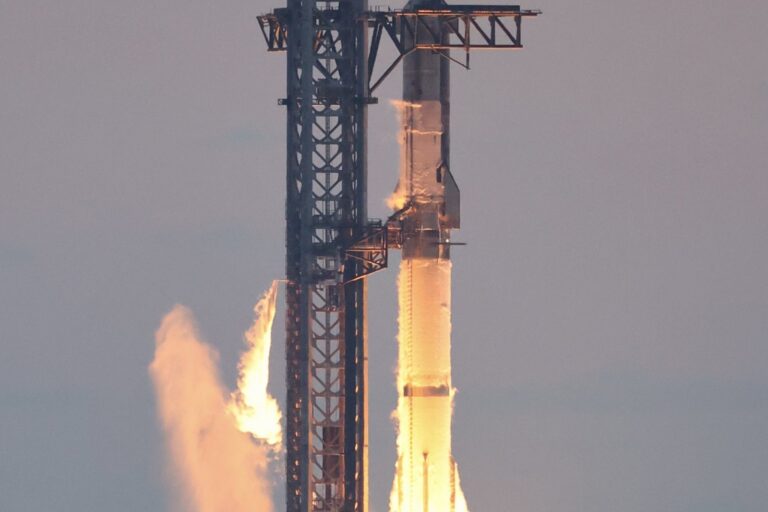
The United States, Denmark and Greenland put their names to a trilateral deal in September 2026. It lets Washington “modernize and expand” operations at Pituffik, set up two defense areas at Narsarsuaq in the south and Mestersvig in the east, and enjoy free overflight, land and undersea access across Greenland and its territorial waters. There is no end date. It also opens the way for the proposed “Golden Dome” missile-defense system to be deployed on the island.
What it does not do is hand over the island. Greenland stays a semiautonomous territory of Denmark, keeps its right to self-determination and keeps full ownership of its natural resources. President Donald Trump, who has spoken of acquiring Greenland since his first term, said on social media that the deal gives the United States “permanent control over security, and all other needs, in Greenland.”
Keeping others out
The text also shuts doors. Non-NATO states, which in practice means China and Russia, cannot build military installations on the island unless all three parties agree. Foreign investment in sensitive sectors, resource extraction among them, is limited to NATO members, NATO partners and EU members.
Both Greenlandic and Danish leaders had rejected a US takeover. “We don’t want to be Danish, we don’t want to be American, we want to be Greenlandic,” then Prime Minister Múte B. Egede said in January 2025. Copenhagen said the island was “not for sale,” and Greenland’s own officials told the administration they were open to strengthening the existing defense partnership. At the World Economic Forum in January 2026, Trump ruled out using force. He had earlier said America would get Greenland “one way or the other.”
An old arrangement, amended
The new deal amends a 1951 US-Denmark defense pact that first let the United States build and run bases there, a treaty signed after President Harry Truman saw Greenland as a place to detect and counter Soviet air strikes, nuclear ones included. Pituffik itself was built between 1951 and 1953 and has been under Space Force command since 2020. It carries missile-defense and space-surveillance equipment, including radar that gives early warning of intercontinental ballistic missiles.
Strategically the island sits between Europe and North America, near the Arctic and the North Atlantic. Rebecca Pincus of the Wilson Center’s Polar Institute has said Greenland matters “from a missile-defense perspective, from a space perspective, and from a global competition perspective.” The agreement answers Western worry about Chinese and Russian activity in the Arctic, where Russia has the largest territorial presence and China has called itself a “near-Arctic state.”