
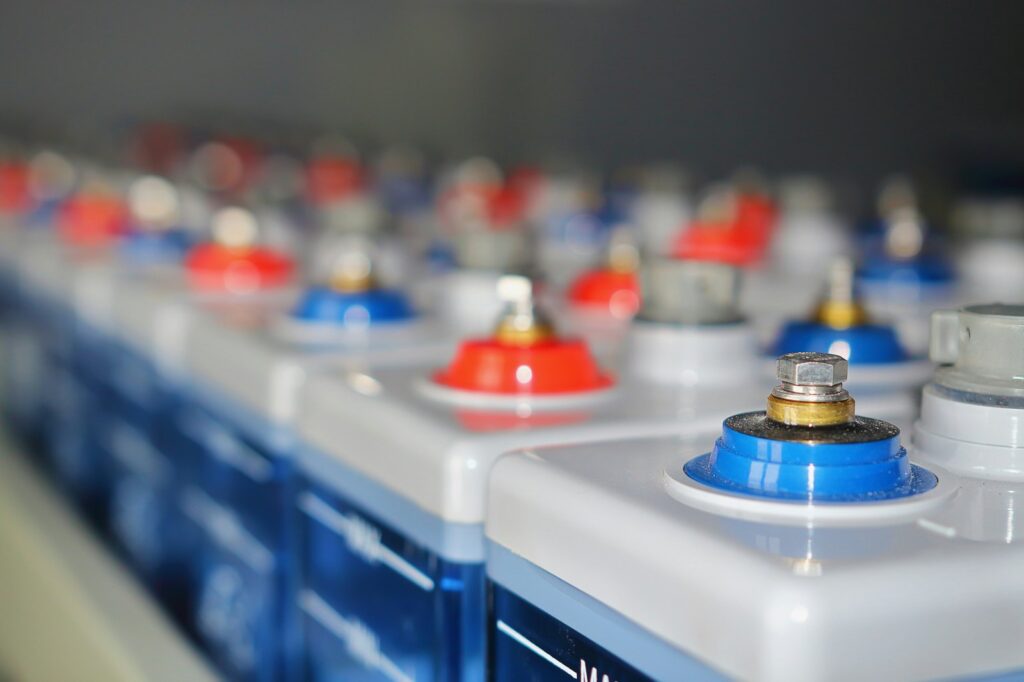
ProLogium and Rimac advance solid-state EV batteries with higher energy density and improved safety
Technical progress in solid-state batteries
ProLogium and Rimac are advancing next-generation EV battery development, though specific technical details from the sources are not provided beyond their involvement. Their work contributes to broader efforts to improve solid-state battery technology, which uses a solid electrolyte to conduct ions between electrodes instead of the liquid or gel polymer electrolytes found in conventional lithium-ion batteries. This design theoretically offers much higher energy density than typical lithium-ion or lithium polymer batteries and can potentially solve problems such as flammability, voltage range limitations, unstable electrode interfaces, cycling performance issues, and mechanical weakness.
How solid-state batteries work and their advantages
Solid-state batteries can use metallic lithium for the anode and oxides or sulfides for the cathode, which improves energy density. The solid electrolyte acts as an ideal separator that allows only lithium ions to pass through, enhancing safety and stability. As of 2026, the solid-state battery market has yet to reach scalability and commercialization, but progress continues through pilot production and testing. These batteries are already used in niche applications like pacemakers and RFID devices due to their enhanced safety and higher energy densities.
Energy density and safety improvements demonstrated by GBT
GBT began series production of all-solid-state battery cells on 13 October 2026 at its plant in Nansha, near Guangzhou, with a current capacity of 1 GWh. The company’s proprietary organic-inorganic composite electrolyte is introduced as a liquid precursor and solidified inside the cell, enabling use of conventional lithium-ion production equipment. GBT cites energy densities between 260 and 480 Wh/kg for its solid-state cells, depending on generation and material configuration. In an externally conducted nail penetration test on a fully charged GBT solid-state cell, neither fire nor explosion occurred. GBT states that cycle stability of its solid-state cells is comparable to conventional lithium-ion cells.
Current limitations and challenges in scaling
Despite advances, solid-state batteries face challenges in energy density, power density, durability, material costs, and chemical stability that must be overcome for widespread adoption over lithium-ion batteries. Many solid-state battery programs rely on sulfide electrolytes, which require oxygen-free and extremely dry environments for processing, often necessitating specially designed production facilities. GBT’s approach avoids this by forming the electrolyte inside the cell, allowing key production steps such as electrode manufacturing, stacking, formation, and testing to continue on conventional lithium-ion equipment, with only the electrolyte filling process modified.
Implications for EV range, charging speed, and fire risk
The higher energy density of solid-state batteries could extend EV range, allowing vehicles to travel farther on a single charge. Improved safety, demonstrated by the absence of fire or explosion in nail penetration tests, reduces fire risk compared to current lithium-ion technology. While charging speed is not detailed in the sources, the use of solid electrolytes may support faster ion transfer under optimal conditions. GBT’s ability to repurpose existing lithium-ion production lines reduces capital investment and economic risk during the ramp-up of solid-state cell production, supporting nearer-term deployment.
Near-term outlook for commercialization and real-world deployment
GBT aims to reduce capital investment and economic risk by switching between conventional lithium-ion and solid-state cell production on the same line as demand requires. The company produces the solid electrolyte and key raw materials itself and holds more than 50 patents for the technology. Samples are already being tested by customers from various industries, with some cells undergoing testing and validation with automakers. GBT has announced cooperation partners, including Hubei Liming Lithium Technology for integrating cells into vehicle and stationary storage systems, and an eVTOL aircraft development centre in Shenzhen. The company is in advanced discussions with several major automakers regarding series applications. The Chinese Standard GB/T 48093.1-2026 for solid-state batteries was published on 28 August 2026 but will not formally enter into force until 1 January 2028, providing a future framework for certification.
Background and Development of GBT’s Solid-State Battery Technology
GBT’s solid-state battery development builds on earlier research into solid electrolytes, with the company’s approach evolving from initial A-samples in April 2026 to series production by October 2026. The technology leverages a proprietary organic-inorganic composite electrolyte that is introduced as a liquid precursor and solidified inside the cell, enabling compatibility with existing lithium-ion production equipment. This method avoids the need for oxygen-free and extremely dry processing environments typically required by sulfide-based solid-state batteries, which necessitate specially designed facilities.
Founder and CTO Huang Xiangdong highlighted that the production line was not newly built but repurposed from an existing lithium-ion facility, allowing GBT to switch between conventional and solid-state cell production based on demand. The company produces its solid electrolyte and key raw materials in-house and holds more than 50 patents related to the technology. GBT’s strategy aims to reduce capital investment and economic risk during the scaling of solid-state battery production.
ProLogium and Rimac’s Role in Solid-State Battery Advancement
ProLogium and Rimac are advancing next-generation EV battery development through their collaboration on solid-state battery technology, contributing to broader industry efforts to improve energy density and safety. While specific technical details of their joint work are not provided in the sources, their involvement aligns with ongoing progress in solid-state batteries, which use a solid electrolyte to conduct ions between electrodes instead of liquid or gel polymer electrolytes. This design theoretically offers much higher energy density than conventional lithium-ion batteries and can potentially address issues such as flammability, voltage range limitations, unstable electrode interfaces, cycling performance, and mechanical weakness.
Both companies are part of a wider movement in the EV sector where solid-state batteries are being explored for their potential to use metallic lithium anodes and oxide or sulfide cathodes, which improve energy density. The solid electrolyte acts as an ideal separator that allows only lithium ions to pass through, enhancing safety and stability. As of 2026, the solid-state battery market has not yet reached scalability and commercialization, but development continues through pilot production and testing, with these batteries already used in niche applications like pacemakers and RFID devices due to their enhanced safety and higher energy densities.
Sources
- Before you continue to Google
- Solid-state battery
- GBT begins series production of solid-state battery cells – electrive.com
Photo: Vanya Smythe / Unsplash (Unsplash License)




