
Hackers recently compromised the personal records of millions of California students, exposing a massive cache of sensitive data to potential exploitation. This incident highlights a growing danger where minors face lifelong risks of identity theft and synthetic fraud because their clean credit histories are highly prized by malicious actors.
The Fragile Nature of Student Privacy
Privacy in education is a broad field encompassing the ideologies, practices, and legislation designed to protect individuals within the school system. According to information on education privacy, these concerns primarily involve the security of student data, such as academic and medical records. While many people assume they possess a fundamental right to keep their personal information private, American law contains no explicit legal definition that grants a universal right to privacy. Instead, individuals often rely on the Fourth Amendment to defend against government actions or searches that require warrants, though the U.S. Supreme Court has long struggled to define an impartial meaning for the expectation of privacy due to the sheer number of subjective variables involved.
In the school environment, students maintain an expectation of privacy regarding their academic records. This includes the right to keep such information protected from unauthorized viewing by anyone other than the student, their parents, or their academic instructors. Legal disputes have frequently tested these boundaries, such as the 2002 case of Owasso Independent School District v. Falvo. In that instance, a parent challenged peer grading practices, arguing they violated the privacy of her children. While the Tenth Circuit Court of Appeals ultimately ruled that peer grading did not violate the Fourteenth Amendment, it did find the practice conflicted with the Family Educational Rights and Privacy Act, or FERPA. This act remains the primary legal framework for protecting educational records, yet it faces immense pressure as the management of student data becomes increasingly complex in an age of rapid information dissemination.
The Mechanics of Synthetic Identity Fraud
The technical reality of a data breach involving minors is that it creates a long-term vulnerability to synthetic identity fraud. Because children typically have no credit history, their Social Security numbers are often used by criminals to create fake identities that appear legitimate to financial institutions. These synthetic identities can be nurtured over years, allowing fraudsters to build credit scores and secure loans before the victim ever reaches adulthood. By the time a student enters the workforce or applies for their first credit card, they may discover their identity has been compromised for a decade or more.
Protecting this data requires modern security measures, primarily encryption. Encryption functions by converting readable data into unreadable gibberish, ensuring that even if information is intercepted, it remains useless to unauthorized parties. The legal foundation for this technology in the United States was solidified by the case Bernstein v. Department of Justice. The court ruled that code is protected speech under the First Amendment, a precedent that underpins the modern internet. This landmark legal battle, involving graduate student Dan Bernstein and the Electronic Frontier Foundation, prevented the federal government from classifying encryption as a weapon, which would have effectively stifled the development of secure digital communication tools.
Vulnerable Populations and Systemic Risks
While all students are at risk when institutional databases are breached, certain groups face heightened danger due to their specific status. Undocumented students, for instance, contend with a precarious environment where their access to federal protections is already limited. According to the Higher Ed Immigration Portal, there are approximately 525,000 undocumented students currently enrolled in colleges and universities across the United States. Many of these individuals live in fear of surging immigration enforcement and are ineligible for federal financial aid, leaving them with fewer resources to monitor or repair their financial identities if they are targeted by digital criminals.
The situation for these students is further complicated by shifting policy landscapes. As federal programs like Deferred Action for Childhood Arrivals, or DACA, remain limited in scope—covering fewer than one quarter of the undocumented student population—these individuals lose access to vital benefits and work authorizations. Recent federal actions targeting diversity, equity, and inclusion initiatives have also led some institutions to reduce the visibility of support services that once helped these students navigate complex bureaucratic and digital challenges. When these support systems are weakened, the ability for vulnerable students to protect their data or respond to security threats is significantly diminished.
The Technical Reality of Digital Security
Under the hood, the security of student records depends on a combination of robust encryption and strict adherence to privacy frameworks like FERPA. However, as the recent California breach demonstrates, institutional databases often remain the weakest link in the chain. When schools or districts fail to implement secure, encrypted storage for student records, they essentially hand the keys to digital criminals who specialize in long-term identity exploitation. The detail that matters is that once a student’s personal information is leaked, it cannot be reset like a password.
As ever, the burden of security falls on the institutions tasked with holding this data. While legal frameworks provide a baseline, they are often insufficient to stop sophisticated actors who view student records as a long-term investment in fraud. For the students involved, the fallout of a breach may not be felt immediately, but the risk remains present throughout their academic and professional lives. Protecting these records requires more than just compliance with existing laws; it necessitates a commitment to the technical standards that prevent data from being readable to those who intend to do harm.
Sources
- Privacy in education
- Privacy's Defenders Podcast: No Privacy Without Encryption
- NCAN Conference Sessions Identify Promising Practices for Supporting Undocumented Students
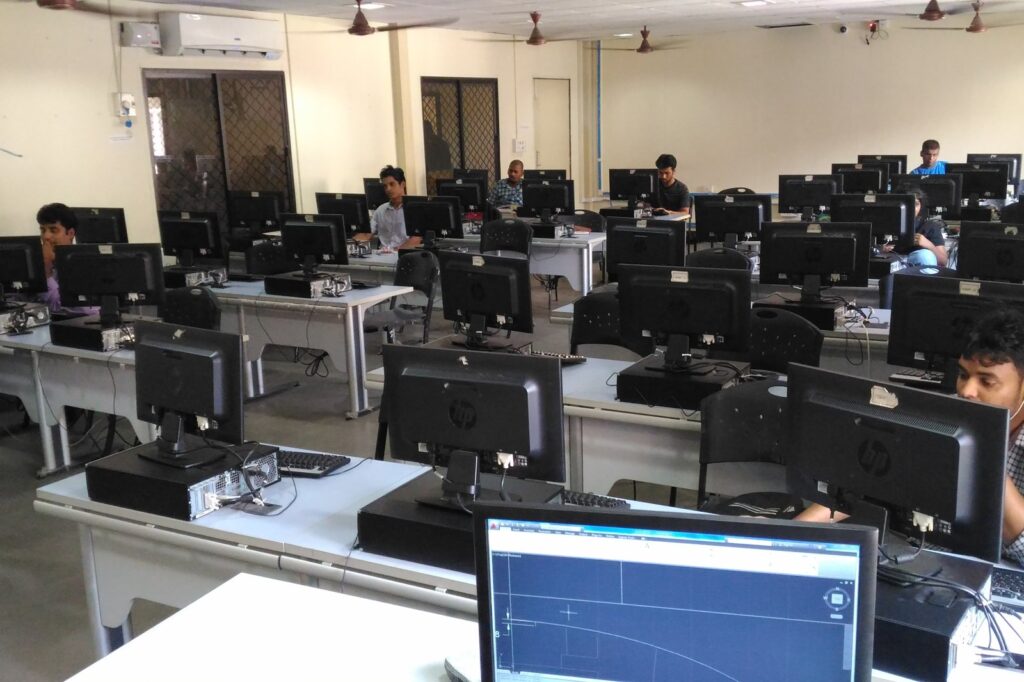
Photo: RitwickSingh (CC BY-SA 4.0)




