
TOKYO, October 19, 2026 — Keio Corporation is currently investigating a significant data breach after the international hacking group Qilin claimed responsibility for a ransomware attack that targeted several of the company’s subsidiaries in late September. The incident has resulted in the public release of 27 images purportedly showing internal corporate documents, as the firm works to verify the authenticity of the stolen material.
The Scope Of The Keio Group Breach
The cyberattack against the Keio Railway Group began in the early hours of September 26, 2026, according to official statements. While the Keio Corporation, a major private railway operator based in Tokyo, manages an extensive portfolio involving transport, retail, real estate, and other industries, the impact of this specific breach was contained to certain business systems within its subsidiaries. The company confirmed that the attack disrupted reservation services at some hotels and affected specific email systems used by parts of the group.
Keio Corporation has established a formal response headquarters to handle the aftermath of the intrusion. According to the company, it is currently collaborating with police authorities and external cybersecurity experts to conduct a forensic investigation. The primary focus of this internal inquiry is to identify the precise attack route used by the hackers and to determine the full scope of potential damage to the company’s digital infrastructure. As of October 16, the company stated that it had not yet confirmed whether the information published by Qilin constitutes genuine internal data or if sensitive customer information has been compromised.
Operational Security And Network Segmentation
A critical distinction in this incident is the separation between the corporate business systems and the actual railway operations. Keio Corporation has explicitly confirmed that the ransomware attack had no impact on its railway operations. The Keio network, which serves as a vital transit link between western suburbs such as Chōfu, Fuchū, Hachiōji, Hino, Inagi, Tama, and Sagamihara and the central Shinjuku Station, remains functional. The railway infrastructure, which includes the central 37.9 km Keiō Line and the separate Inokashira Line, appears to have remained isolated from the compromised corporate network.
The Keio Group operates a diverse range of subsidiaries, including the Keio Department Store, Keio Store, Keio Realty and Development, Keio Travel Agency, and the Keio Plaza Hotel. The operational disruption was largely confined to these service-oriented business units rather than the core transit technology that governs train movements and signaling. This segmentation is a standard feature in large-scale industrial conglomerates, where administrative and customer-facing systems are often kept on networks separate from the high-availability systems required for public safety and transit logistics. The company has not yet confirmed any specific monetary demands from the attackers, noting only that its investigation into the nature of the breach is ongoing.
Qilin And The Mechanics Of Modern Extortion
The hacking group known as Qilin has been identified as the party behind the breach. According to reports, the group has a history of conducting ransomware attacks against various companies globally. In this instance, Qilin utilized a common extortion tactic by publishing 27 images that allegedly represent internal documents belonging to Keio subsidiaries. Alongside these images, the group displayed a countdown timer on its platform, which is widely interpreted as a deadline for the release of further stolen data if their demands are not met.
Ransomware functions by deploying malicious software that encrypts a victim’s data, rendering it inaccessible until a payment is made. By leaking small portions of the stolen data, groups like Qilin attempt to exert pressure on the victim to comply with their demands. Keio Corporation has maintained a cautious stance, stating that it will respond promptly if it confirms that any personal information has been leaked. The company continues to verify the authenticity of the documents released by the hackers as part of its broader investigation into the attack’s impact on its diverse business operations.
Historical Context Of The Keio Corporation
Keio Corporation has a long history in the Tokyo transit sector, tracing its roots back to the Nippon Electric Railway founded in 1905. Over the decades, the company underwent several reorganizations, including its time as the Keio Electric Tramway and its later merger into the Tōkyō Kyūkō Dentetsu during the 1940s. The modern iteration of the company, as it exists today, was formed in 1947 when the Keio and Inokashira lines were spun off into the Keiō Teito Electric Railway. The company officially adopted the name Keio Corporation on June 29, 2005.
Throughout its history, the company has been an innovator in passenger services, notably becoming one of the first railway operators to introduce priority seats for the elderly, pregnant women, and the physically handicapped in 1973. Today, the corporation manages a wide array of rolling stock, including the 5000 series and the newer 2000 series, across both 1,372 mm and 1,067 mm gauge lines. While the company’s physical infrastructure has evolved significantly since its early interurban operations between Sasazuka and Chōfu in 1913, the current cyber incident highlights the modern challenges faced by large, multifaceted corporations in protecting their digital assets across diverse business units.
Investigation Status And Future Response
The investigation into the September 26 breach remains the top priority for Keio Corporation. By working with external experts and law enforcement, the company aims to determine how the Qilin group gained initial access to its systems. The firm has not released details regarding the specific vulnerabilities exploited, as the technical analysis is still underway. The company’s focus remains on determining the authenticity of the leaked images and assessing the potential risk to its customers and business partners.
As the countdown timer set by the attackers progresses, the situation remains fluid. Keio Corporation has committed to transparency regarding the potential leak of personal information, promising to act if such a breach is confirmed. For now, the company is managing the incident through its dedicated response headquarters, ensuring that the core transit functions that serve thousands of commuters daily remain unaffected by the ongoing digital threat. The international community and cybersecurity analysts continue to monitor the situation as the company works to resolve the security crisis.
Sources
- Qilin Threatens to Release Data Stolen in Keio Railway Cyberattack
- Keio Corporation
- Japan's Keio Corporation Confirms Ransomware Group "Qilin" Claims Data Release — BigGo Finance
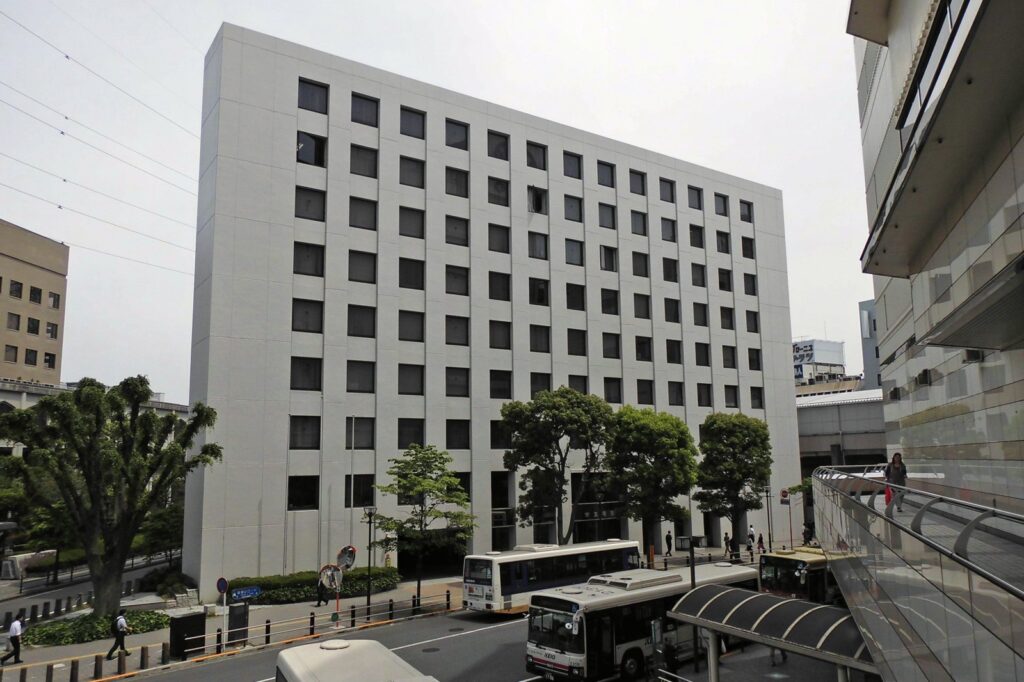
Photo: Konaine (CC BY-SA 3.0)




